

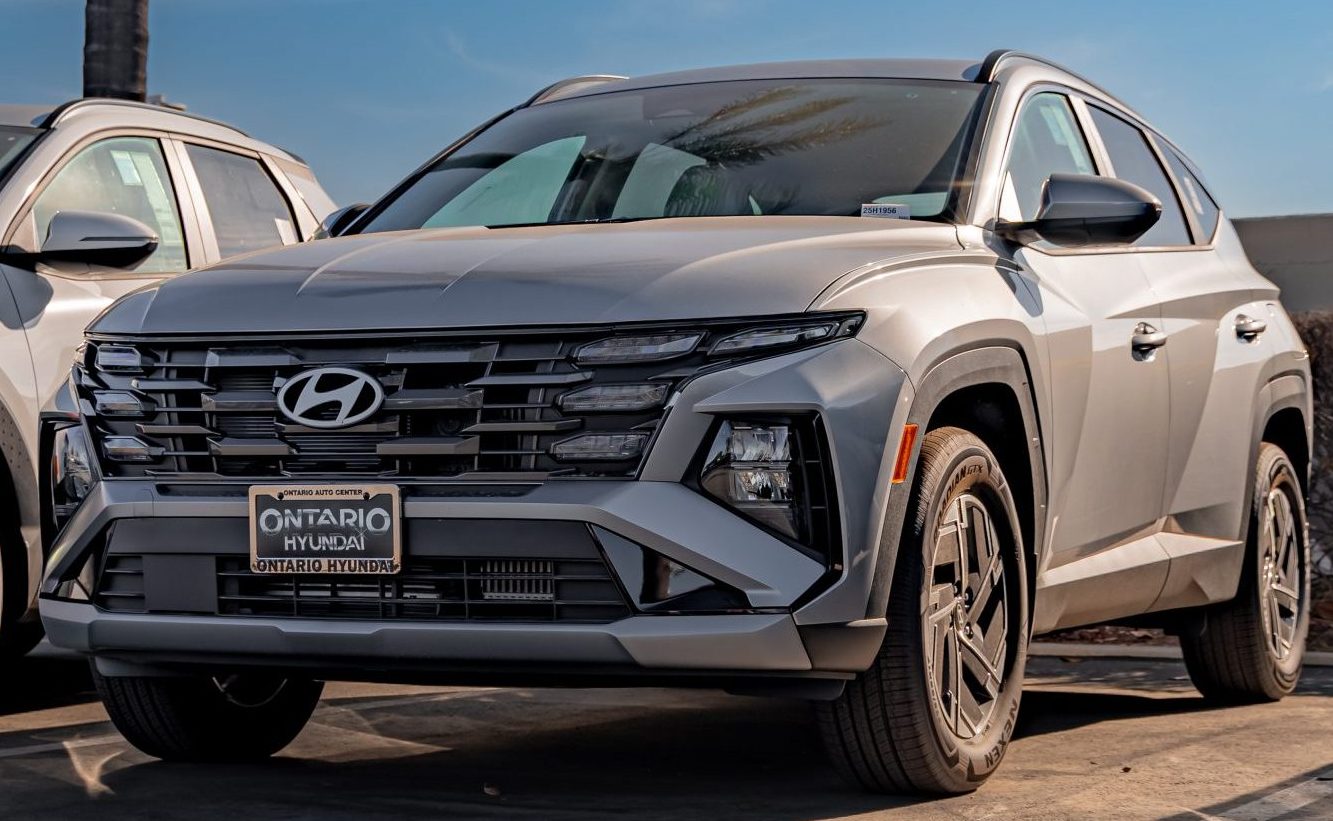
Are Hybrid Vehicles Reliable in 2026? What Buyers Should Know
Hybrid vehicles have come a long way over the past decade. What was once seen as a niche alternative to traditional gas-powered cars is now a mainstream choice for drivers who want better fuel efficiency, lower emissions, and long-term value. But one question still comes up for many buyers: Are hybrid vehicles reliable in 2026?
The short answer is yes. Modern hybrid vehicles are built with advanced engineering, proven battery technology, and strong manufacturer warranties that make them a dependable option for daily driving and long-term ownership. However, there are still important factors to understand before choosing a hybrid vehicle.
In this guide, we break down what makes hybrid cars reliable long term, the biggest advantages of owning one, and whether hybrids are a good fit for drivers who travel long distances. We also highlight examples from brands available at the Ontario Auto Center such as Toyota, Honda, Lexus, Hyundai, Volvo, BMW, and others.
What Makes Hybrid Cars Reliable Long Term
Proven Battery Technology and Long Lifespan
One of the biggest concerns buyers have is battery life. Modern hybrid batteries are designed to last for years and often exceed expectations.
For example, Toyota hybrid batteries are engineered to last 8 to 15 years or approximately 100,000 to 200,000 miles, depending on driving habits and maintenance.
In addition, manufacturers back their technology with strong warranties. Toyota provides hybrid battery coverage for up to 10 years or 150,000 miles, which reflects confidence in long term durability.
Hybrid systems also use advanced battery management technology. These systems carefully control charging and discharging cycles to reduce wear and extend lifespan. This is one of the key reasons hybrid batteries often last longer than many people expect.
Simpler Engine Stress and Reduced Wear
Hybrid vehicles combine a gasoline engine with an electric motor. This setup reduces strain on the engine because the electric motor assists during acceleration and low speed driving.
For example, systems like Toyota’s hybrid powertrains are designed for durability and efficiency. The engines are often tuned for smoother operation rather than maximum stress output, which helps reduce long term wear.
Because the electric motor handles part of the workload, components like the transmission and engine experience less stress over time. This contributes to long term reliability.
Regenerative Braking Improves Component Longevity
Hybrid vehicles use regenerative braking to capture energy when slowing down. This system reduces wear on traditional brake components.
Instead of relying entirely on brake pads, hybrids convert braking energy into electricity that recharges the battery. This can help brake components last longer than those in conventional vehicles.
Over time, this results in lower maintenance costs and improved reliability.
What Are the Biggest Perks of Having a Hybrid Car
Improved Fuel Efficiency
One of the most obvious benefits of hybrid vehicles is fuel savings. By combining electric power with gasoline engines, hybrids consume less fuel than traditional vehicles.
Models like the Toyota Highlander Hybrid and Toyota RAV4 Hybrid deliver excellent fuel economy while maintaining strong performance and practicality.
This makes hybrids especially appealing for families and commuters who want to reduce fuel costs.
Lower Emissions
Hybrid vehicles produce fewer emissions than standard gasoline vehicles. This makes them an environmentally friendly option for drivers who want to reduce their carbon footprint without switching to a fully electric vehicle.
Manufacturers like Honda, Hyundai, and Volvo continue to improve hybrid systems to make them cleaner and more efficient.
Smooth and Quiet Driving Experience
Because hybrids can operate using electric power at low speeds, they offer a quieter and smoother driving experience. This is especially noticeable in city driving conditions.
Vehicles like the Lexus RX Hybrid and Honda CR-V Hybrid provide a refined ride that combines comfort with efficiency.
Strong Resale Value
Hybrid vehicles from brands like Toyota and Lexus have historically held strong resale value. This is due to their reputation for reliability and long-lasting performance.
Many hybrid models remain in service for well over 100,000 miles, which makes them attractive to secondhand buyers.
Are Hybrid Cars Best for Those Driving Long Distances
Ideal for Commuters and Highway Drivers
A common misconception is that hybrids are only beneficial for city driving. While they do excel in stop and go traffic, they are also a great option for long distance drivers.
Hybrid systems improve fuel efficiency on highways by optimizing engine performance and reducing fuel consumption. This makes them a strong choice for commuters and road trip enthusiasts.
Hybrid SUVs Offer Comfort and Efficiency
Many modern hybrid SUVs are designed for long distance travel. Vehicles like the Toyota Highlander Hybrid, Volvo XC90 Recharge, and Lexus TX Hybrid provide spacious interiors, advanced safety features, and efficient performance.
These models are ideal for families who regularly take road trips or have long daily commutes.
Plug-In Hybrid Options for Extended Range
Plug in hybrid vehicles take efficiency even further by allowing drivers to travel short distances using only electric power.
For example, newer plug-in hybrid SUVs offer electric driving ranges that can cover daily commutes while still providing a gasoline engine for longer trips. Some newer systems even support fast charging, making them more convenient for travel.
This combination of electric and gasoline power makes plug in hybrids one of the most versatile vehicle types available today.
Potential Drawbacks to Consider
Battery Replacement Costs
While hybrid batteries are long lasting, replacement can be expensive if it becomes necessary outside warranty coverage.
Costs can range from a few thousand dollars depending on the model and labor involved.
However, the long lifespan and warranty coverage help reduce the likelihood of needing replacement during ownership.
Occasional Software or Component Issues
Like all modern vehicles, hybrids rely on complex software systems. In rare cases, manufacturers may issue recalls or updates to address specific issues.
For example, a small percentage of certain hybrid models have experienced software related recalls, which are typically resolved with updates provided by dealerships.
These situations are not unique to hybrids and occur across all vehicle types.
Shop Ontario Auto Center | All Hybrid Models
How to Maximize Hybrid Reliability
Follow Manufacturer Maintenance Guidelines
Regular maintenance plays a major role in keeping hybrid vehicles reliable. Following recommended service intervals helps ensure both the engine and hybrid system perform properly.
Drive Consistently and Avoid Extreme Conditions
Driving habits can impact battery lifespan. Smooth acceleration, moderate speeds, and avoiding extreme temperatures can help extend battery performance.
Take Advantage of Warranty Coverage
Understanding your vehicle’s warranty can provide peace of mind. Many hybrid components are covered for extended periods compared to traditional vehicles.
Find Reliable Hybrid Vehicles at Ontario Auto Center
The Ontario Auto Center offers a wide selection of hybrid vehicles from trusted brands like Toyota, Honda, Lexus, Hyundai, Volvo, BMW, Jeep, Subaru, Nissan, and Volkswagen.
With multiple dealerships in one location, shoppers can compare models, explore hybrid technology, and find the right vehicle for their needs.
Whether you are looking for a fuel-efficient commuter car, a spacious hybrid SUV, or a luxury hybrid model, the Ontario Auto Center provides access to some of the most reliable hybrid vehicles available in 2026.
Final Thoughts
So, are hybrid cars reliable in 2026? The answer is a strong yes.
Advancements in battery technology, improved engineering, and long manufacturer warranties have made hybrid vehicles a dependable choice for modern drivers. With many models capable of lasting well over 100,000 miles and beyond, hybrids offer both reliability and long-term value.
When considering what makes hybrid cars reliable long term, factors like battery durability, reduced engine wear, and advanced technology all play a role.
If you are wondering what the biggest perks of are having a hybrid car, benefits like fuel efficiency, lower emissions, and smooth performance make them an attractive option.
And for those asking are hybrid cars best for those driving long distances, the combination of efficiency and range makes them ideal for both city commutes and extended road trips.
To explore your options, visit the Ontario Auto Center and discover the latest hybrid vehicles designed for reliability, efficiency, and everyday driving confidence.