
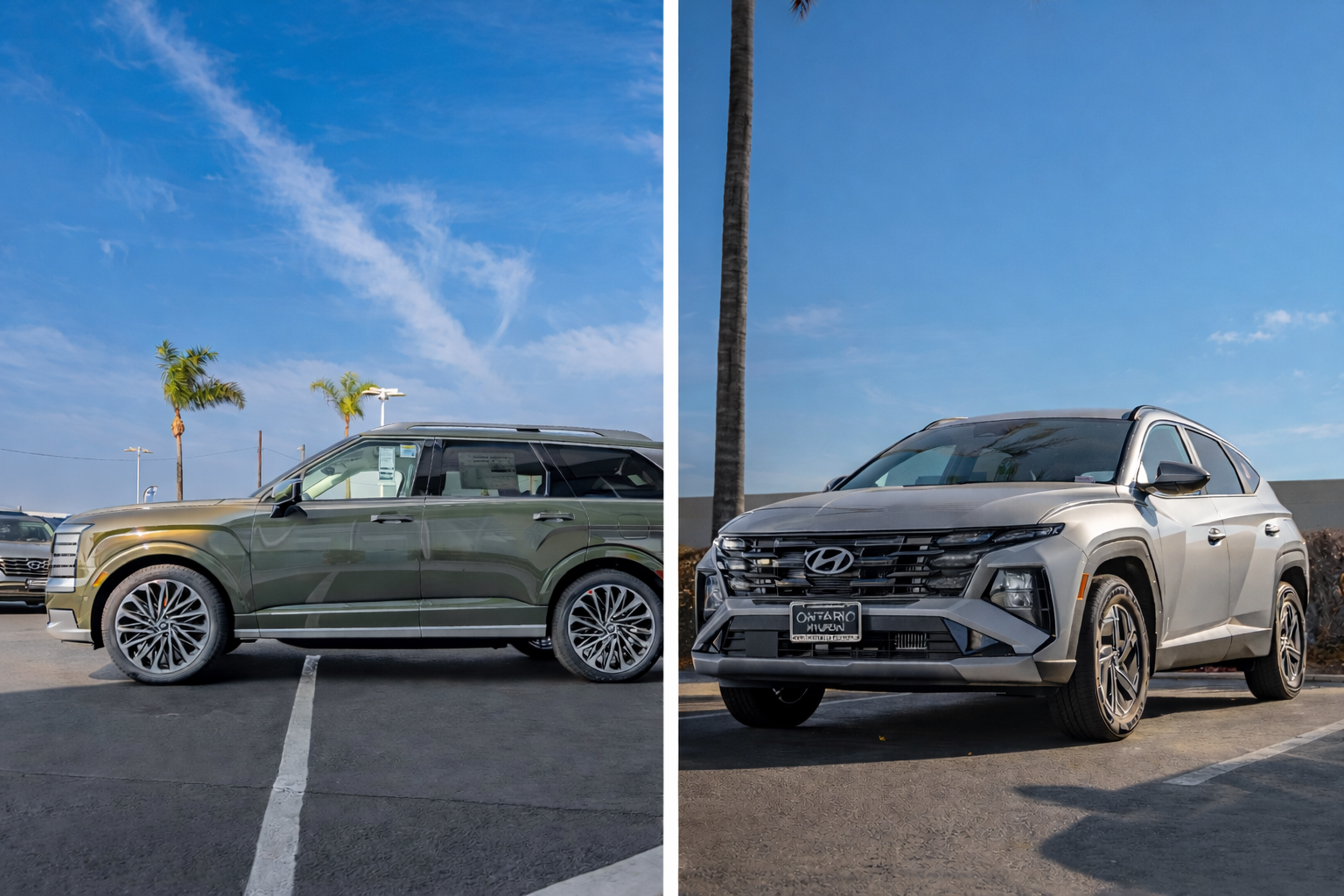
2026 Hyundai Santa Fe vs. 2026 Hyundai Tucson: Which Hyundai SUV Fits Your Lifestyle?
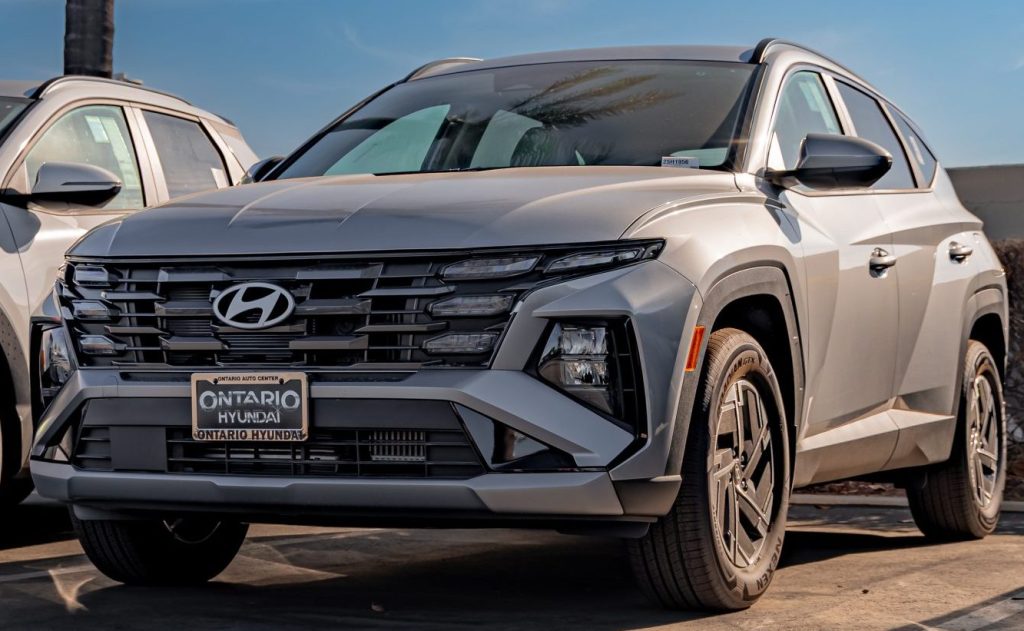
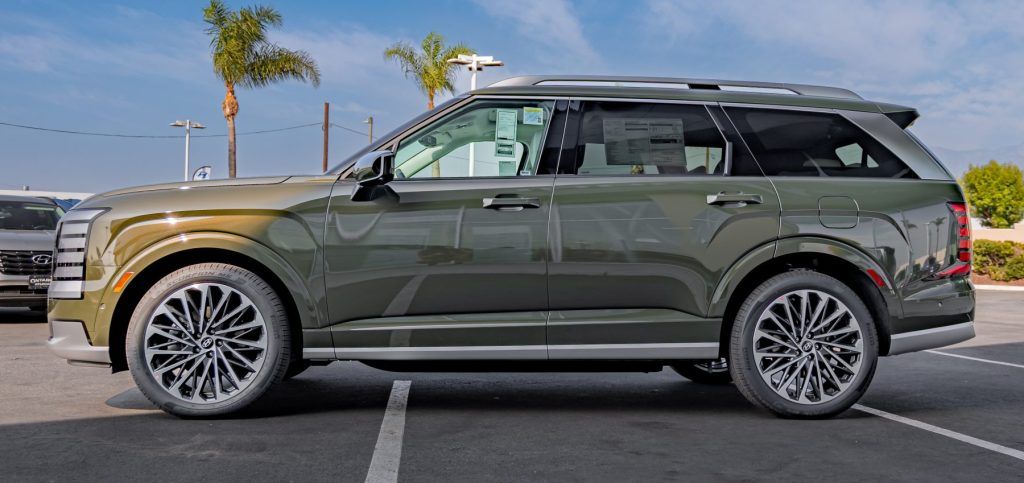
Choosing the right SUV often comes down to finding the perfect balance between size, performance, technology, and everyday usability.
Hyundai continues to impress in the SUV market by offering vehicles that deliver strong value, modern design, and advanced safety features. Two of the most popular options being the 2026 Hyundai Santa Fe andthe Hyundai Tucson.
While both SUVs share Hyundai’s reputation for reliability and innovation, they are designed for different types of drivers. The 2026 Hyundai Santa Fe is a midsize SUV focused on space, flexibility, and family friendly capability. The 2026 Hyundai Tucson is a compact SUV built for efficiency, comfort, and daily convenience. This comparison breaks down the key differences to help you decide which model best fits your lifestyle.
Size and Seating Capacity
One of the biggest differences between the Santa Fe and the Tucson is their size and seating layout.
2026 Hyundai Santa Fe
- Midsize SUV with three rows of seating
- Seats up to seven passengers depending on configuration
- Spacious first and second rows with comfortable legroom
- Third row ideal for kids or occasional adult passengers
2026 Hyundai Tucson
- Compact SUV with two rows of seating
- Seats up to five passengers
- Well-designed interior that maximizes passenger space
- Smaller footprint for easier city driving and parking
Drivers who frequently travel with family or groups will appreciate the Santa Fe’s extra row, while those who prioritize maneuverability may find the Tucson to be the better fit.
Cargo Space and Everyday Practicality
Cargo capacity plays a major role in how an SUV fits into daily life.
Santa Fe Cargo Highlights
- Generous cargo space behind the second row
- Third row folds flat for added storage
- Wide and flat load floor when rear seats are folded
- Ideal for road trips, sports gear, and large items
Tucson Cargo Highlights
- Competitive cargo space for a compact SUV
- Rear seats fold down easily
- Lower load height for easy loading and unloading
- Excellent for groceries, luggage, and weekend errands
While the Santa Fe offers more overall volume, the Tucson’s smart interior layout makes it surprisingly versatile for its size.
Performance and Powertrain Options
Performance is another key differentiator between these two Hyundai SUVs.
2026 Hyundai Santa Fe Performance
- Turbocharged 2.5-liter four-cylinder engine
- Strong horsepower and torque for confident acceleration
- Available hybrid option for improved efficiency
- Smooth and composed highway performance
2026 Hyundai Tucson Performance
- Naturally aspirated four-cylinder engine
- Responsive and efficient for daily driving
- Available hybrid and plug in hybrid variants
- Lighter weight contributes to nimble handling
Both models offer front wheel drive as standard, with all wheel drive available for drivers who want added confidence in varying road conditions.
Ride Comfort and Driving Experience
Each SUV offers a distinct driving feel that matches its size and purpose.
Santa Fe Driving Experience
- Stable and planted on the highway
- Quiet cabin at higher speeds
- Comfortable suspension tuned for long trips
- Elevated driving position for added confidence
Tucson Driving Experience
- Agile and easy to maneuver
- Ideal for urban and suburban environments
- Smooth ride over daily road imperfections
- Easier parking in tight spaces
If long distance comfort is a priority, the Santa Fe stands out. For daily commuting and city driving, the Tucson shines.
Interior Design and Comfort
Both SUVs feature modern interiors with quality materials, but their layouts reflect different needs.
Santa Fe Interior Features
- Spacious cabin with open design
- Available leather seating surfaces
- Heated and ventilated front seats on select trims
- Panoramic sunroof option
- Family focused layout with flexible seating
Tucson Interior Features
- Clean and contemporary dashboard design
- Driver focused cockpit
- Comfortable front and rear seating
- High quality materials throughout
- Efficient use of interior space
The Santa Fe leans toward a more premium and roomier feel, while the Tucson emphasizes simplicity and smart design.
Technology and Infotainment
Hyundai equips both SUVs with a strong lineup of technology features.
Shared Technology Highlights
- Large touchscreen infotainment system
- Apple CarPlay and Android Auto compatibility
- Digital instrument cluster options
- Wireless charging available
- Multiple USB ports for passengers
The Santa Fe often includes larger screens and more standard tech on higher trims, while the Tucson keeps technology intuitive and user friendly.
Safety and Driver Assistance
Safety is a major strength for both vehicles thanks to Hyundai SmartSense technology.
Standard and Available Safety Features
- Forward collision avoidance assist
- Lane keeping assist and lane following assist
- Blind spot monitoring
- Rear cross traffic alert
- Adaptive cruise control
The Santa Fe may offer additional family focused safety features on higher trims, making it especially appealing for drivers with children or frequent passengers.
Pricing and Overall Value
Budget and long term value are important considerations when choosing an SUV.
Tucson Value Advantages
- Lower starting price
- Strong fuel efficiency
- Lower cost of ownership
- Excellent feature content for the price
Santa Fe Value Advantages
- Higher starting price
- More space and seating flexibility
- Stronger engine performance
- Ideal for growing families
- Competitive value in the midsize SUV segment
Both SUVs deliver excellent value, but the best choice depends on how much space and capability you need.
Ownership Experience, Trim Levels, and Long Term Confidence
Beyond size and performance, many buyers consider what daily ownership will feel like over the long run. Hyundai continues to stand out by offering strong warranties, multiple trim levels, and vehicles designed to remain comfortable and dependable for years.
Trim Level Variety
Both the 2026 Santa Fe and 2026 Tucson are offered in multiple trims, allowing buyers to choose between value focused models or more premium configurations.
Santa Fe trims typically appeal to drivers who want:
- More standard comfort and convenience features
- Available upscale interior materials
- Enhanced technology on higher trims
- A family oriented driving experience
Tucson trims are well suited for drivers who prioritize:
- Affordability and efficiency
- Sporty styling options
- Hybrid focused configurations
- A balanced mix of tech and comfort
This variety makes it easier for shoppers to find a model that fits both their budget and lifestyle without overpaying for unnecessary features.
Warranty and Peace of Mind
Hyundai is well known for offering one of the strongest warranties in the industry. Both SUVs benefit from comprehensive coverage that adds confidence to ownership, especially for first time buyers or families planning to keep their vehicle long term.
Key ownership benefits include:
- Competitive limited vehicle warranty
- Powertrain coverage designed for long term reliability
- Complimentary maintenance for added value
These factors help reduce ownership stress and contribute to lower long term costs compared to many competitors.
Everyday Usability
Whether commuting daily, running errands, or taking weekend trips, both SUVs are designed to adapt easily to real world driving needs. The Santa Fe excels when flexibility and space are essential, while the Tucson offers simplicity and efficiency that fit seamlessly into everyday routine
Final Thoughts
The 2026 Hyundai Santa Fe and the 2026 Hyundai Tucson both deliver impressive design, technology, and safety, but they serve different lifestyles. The Santa Fe is likely the better option for drivers who need extra seating, more cargo space, and added performance for family travel. The Tucson is perfect for those who want a compact, efficient SUV that excels in everyday driving.