
Electric Vehicle Level 1 vs. Level 2 EV Charging: Which One Do You Need at Home?
Electric vehicles continue to grow in popularity throughout Southern California, and one of the most common questions new EV shoppers ask is: "What type of charger should I install at home?"
Whether you're considering a new Volvo EX30, Volvo EX90, Volkswagen ID.4, Volkswagen ID. Buzz, Toyota bZ, Hyundai IONIQ 5, or Honda Prologue understanding the differences between home charging options can help you make the best decision for your lifestyle.
When comparing Level 1 vs Level 2 EV charging, there is no universal answer. The right solution depends on your daily driving habits, commute length, charging expectations, and budget.
This guide breaks down the charging speed comparison, explains the advantages of residential EV charging, and helps determine which home EV charger is best for your lifestyle.
Understanding Residential EV Charging
Before choosing a charging setup, it's important to understand how home charging works.
Most EV owners complete most of their charging at home rather than at public charging stations. Home charging offers convenience, lower charging costs, and the ability to start every morning with a fully charged battery.
There are two primary home charging options:
- Level 1 charging
- Level 2 charging
While both accomplish the same goal, the charging speeds and installation requirements are significantly different.
What Is a Level 1 EV Charger?
A Level 1 charger uses a standard 120-volt household outlet, the same type of outlet used for lamps, televisions, and small appliances.
Most electric vehicles include a Level 1 charging cable from the factory, making it the simplest way to begin charging immediately after purchasing an EV.
How Level 1 Charging Works
Level 1 charging plugs directly into a standard outlet without requiring special electrical upgrades.
Benefits include:
- No installation costs
- Easy setup
- Works with existing household outlets
- Ideal for occasional charging
For many first-time EV owners, Level 1 charging provides a simple introduction to electric vehicle ownership.
Level 1 EV Charger Benefits
Lowest Initial Cost
One of the biggest Level 1 EV charger benefits is affordability.
Since most EVs include the charging cable, there is typically no additional equipment purchase required.
Easy for Renters
Drivers living in apartments, condos, or rental properties often find Level 1 charging more practical because it requires no permanent modifications.
Great for Low-Mileage Drivers
If you only drive short distances each day, Level 1 charging may provide enough overnight charging to meet your needs.
Examples include:
- Local commuting
- School drop-offs
- Running errands
- Weekend driving
Simple Backup Charging Option
Even drivers who install Level 2 charging often keep their Level 1 charger as a backup.
What Is a Level 2 EV Charger?
A Level 2 charger uses a 240-volt electrical connection, similar to what powers an electric dryer or oven.
This type of charger requires professional installation but dramatically increases charging speed.
For most EV owners, Level 2 charging becomes the preferred long-term solution.
Benefits of Level 2 EV Charging
Much Faster Charging Speeds
The biggest advantage is speed.
A Level 2 charger can add significantly more driving range per hour than a Level 1 charger.
This means:
- Less waiting
- More convenience
- Greater flexibility
Ideal for Daily Commuters
Southern California commuters often drive substantial distances each day.
Drivers traveling between Ontario, Riverside, Irvine, Los Angeles, or Orange County can benefit from faster overnight charging.
Better for Larger Battery Packs
Many modern EVs feature larger batteries designed for extended driving range.
Vehicles such as:
can benefit significantly from Level 2 charging because of their larger battery capacities.
Future-Proof Your Home
As EV adoption grows, installing a Level 2 charger can improve convenience and potentially add value for future EV-owning homeowners.
Charging Speed Comparison
One of the biggest factors when comparing Level 1 vs Level 2 charging speed is how much range is added per hour.
Level 1 Charging Speed
Typical charging rates:
- Approximately 2 to 5 miles of range per hour
Level 2 Charging Speed
Typical charging rates:
- Approximately 20 to 40+ miles of range per hour
Depending on the vehicle and charger output, a battery can often recharge overnight.
Why Charging Speed Matters
For drivers with:
- Long commutes
- Multiple EVs
- Frequent road trips
Level 2 charging often becomes the more practical solution.
Which Home EV Charger Is Best for Your Lifestyle?
Level 1 May Be Best If:
You drive fewer than 30 miles per day.
Examples include:
- Retirees
- Remote workers
- Households with multiple vehicles
- Apartment residents
In these situations, the slower charging speed may still meet daily needs.
Level 2 May Be Best If:
You drive more than 40 to 50 miles daily.
Examples include:
- Inland Empire commuters
- Sales professionals
- Families with one primary vehicle
- Frequent travelers
Level 2 charging provides greater convenience and flexibility.
Best EVs for Home Charging
Volvo EX30
The Volvo EX30 is one of the newest and most exciting luxury EVs available.
Key Perks
Compact luxury with impressive performance
The EX30 combines Scandinavian design, advanced safety features, and quick acceleration in a compact SUV package.
Excellent fit for home charging
Its size and efficiency make it easy to keep charged using either Level 1 or Level 2 charging.
Advanced technology throughout
Google built-in infotainment, over-the-air updates, and Volvo's latest safety technologies create a premium ownership experience.
Ontario Auto Center | EX30 at Volvo Cars Ontario
Volvo EX90
The Volvo EX90 represents the future of family luxury SUVs.
Key Perks
Three-row family practicality
Offers spacious seating and premium comfort for larger households.
Designed around advanced safety
Volvo's next-generation safety systems help make the EX90 one of the most advanced vehicles in the brand's lineup.
Ideal candidate for Level 2 charging
The larger battery benefits greatly from faster home charging speeds.
Ontario Auto Center | EX90 at Volvo Cars Ontario
Volkswagen ID.4
The Volkswagen ID.4 continues to be one of the most approachable EVs for first-time electric vehicle buyers.
Key Perks
Comfortable and practical design
The ID.4 delivers SUV versatility while maintaining a comfortable ride and spacious interior.
Easy transition into EV ownership
User-friendly controls and intuitive technology make the learning curve minimal.
Excellent home charging compatibility
Works well with either charging level, although most owners prefer the convenience of Level 2 charging.
Ontario Auto Center | ID.4 at Ontario Volkswagen
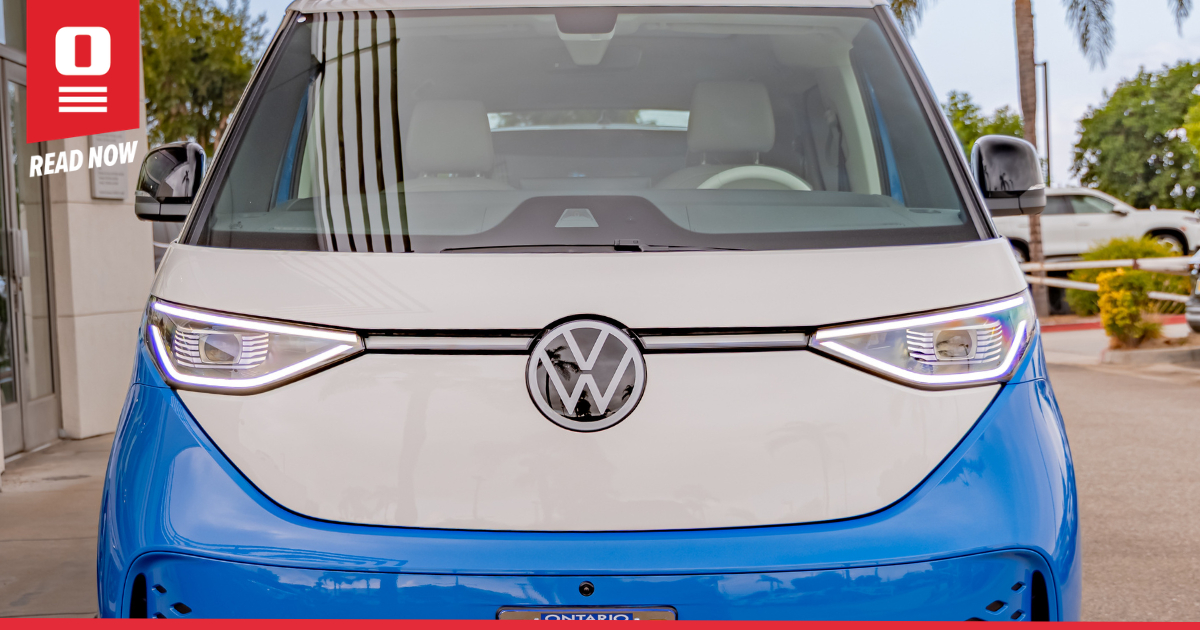
Volkswagen ID. Buzz
The Volkswagen ID. Buzz brings modern electric technology to an iconic design.
Key Perks
Family-focused functionality
Flexible seating and cargo configurations make it ideal for active families.
Unique styling
Few vehicles on the road generate as much attention as the ID. Buzz.
Benefits from faster charging
Its larger battery makes Level 2 charging especially attractive for daily convenience.
Ontario Auto Center | ID. Buzz at Ontario Volkswagen
Installation Considerations
Before installing a Level 2 charger, homeowners should consider:
Electrical Capacity
A licensed electrician can determine whether your electrical panel supports Level 2 charging.
Garage vs. Outdoor Installation
Many chargers are designed for both indoor and outdoor use.
Utility Incentives
Some utility providers offer rebates or incentives for EV charger installation.
These programs may help reduce overall installation costs.
The Long-Term Cost Comparison
While Level 1 charging typically has little upfront cost, Level 2 charging can provide long-term convenience that many drivers find worthwhile.
Benefits often include:
- Faster charging
- Better daily usability
- Greater flexibility
- Improved EV ownership experience
For many Southern California households, the convenience quickly outweighs the installation expense.
Find Your Next EV at Ontario Auto Center
As electric vehicle technology continues to evolve, Ontario Auto Center offers access to some of the most exciting EVs available today.
Drivers can explore:
Ontario Auto Center | EV Inventory
Final Thoughts
When comparing Level 1 vs Level 2 EV charging, the best choice ultimately depends on your driving habits and lifestyle.
Level 1 charging remains an affordable and accessible option for low-mileage drivers, while the benefits of Level 2 EV charging make it the preferred solution for many commuters and families.
Understanding the differences in Level 1 vs Level 2 charging speed, evaluating your daily driving needs, and planning for future EV ownership can help ensure you choose the right home charging setup.
If you're considering a new electric vehicle, visit Ontario Auto Center to explore the latest Volvo, Volkswagen, Honda, Hyundai, and Toyota models and find the charging solution that fits your lifestyle.
Ontario Auto Center | Contact Us