
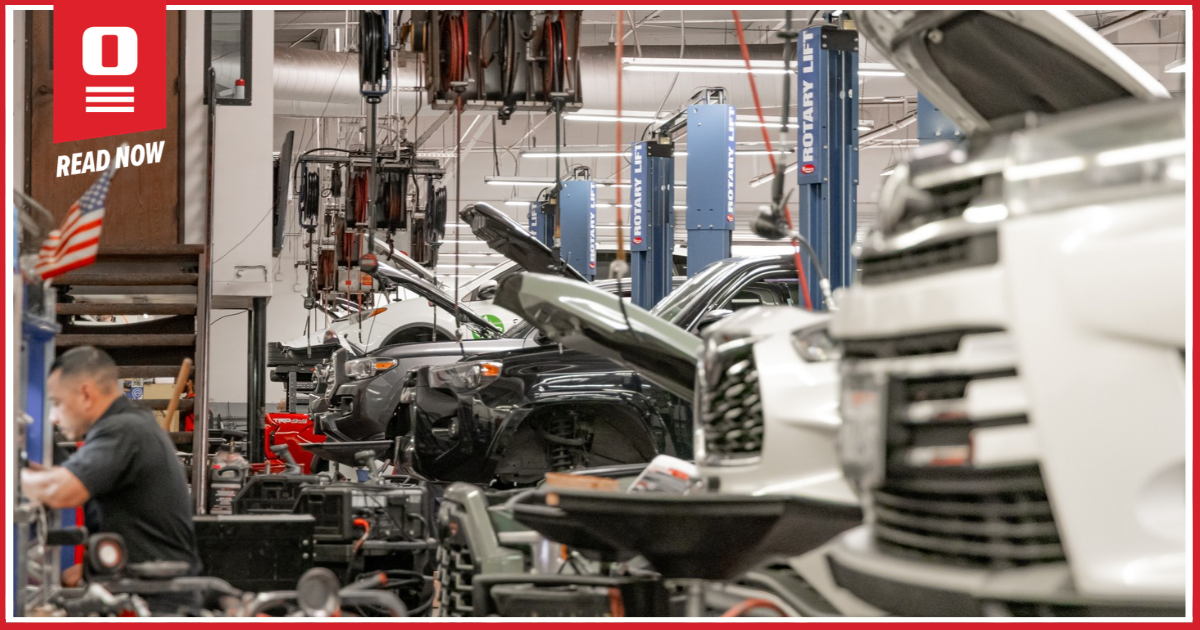
Fall Car Care Month: Pre-Winter Checklist for Inland Empire Drivers
Fall Car Care Month is the perfect reminder to prepare your vehicle for changing weather, holiday travel, and cooler temperatures. While Southern California rarely experiences the harsh winters found in other parts of the country, Inland Empire drivers still face seasonal challenges, including cooler mornings, unexpected rainstorms, fog, and occasional mountain snow.
Whether you commute along the I-10, travel through Rancho Cucamonga, or plan weekend trips to Big Bear, preventative maintenance can make a significant difference in your vehicle's reliability, performance, and safety.
Following a fall car maintenance checklist can help identify worn components, prevent inconvenient breakdowns, and keep your vehicle ready for the months ahead.
From inspecting tires and brakes to checking your battery and windshield wipers, these fall vehicle maintenance tips will help you prepare for winter driving throughout Ontario, Riverside, Fontana, Chino Hills, and surrounding Inland Empire communities.
Why Fall Car Maintenance Matters in the Inland Empire
Southern California's warm climate can make winter vehicle preparation seem unnecessary. However, the transition from summer to fall creates several conditions that deserve attention.
Summer Heat Can Affect Vehicle Components
After months of high temperatures, batteries, tires, rubber seals, and other components may show signs of wear.
A battery weakened by summer heat, for example, may struggle when temperatures drop and starting demands increase.
Cooler Weather Changes Tire Pressure
As temperatures decrease, tire pressure typically drops. Underinflated tires can affect handling, tire wear, and efficiency, making regular pressure checks especially important during seasonal temperature changes.
Rain and Mountain Travel Create New Challenges
Drivers throughout the Inland Empire may encounter wet freeways, reduced visibility, and slippery road conditions.
Those heading toward Big Bear, Lake Arrowhead, or other mountain destinations should also prepare for colder temperatures and possible snow.
A seasonal inspection helps address these concerns before they become more serious.
Fall Car Maintenance Checklist: 10 Essential Steps
A thorough pre-winter vehicle inspection should cover the systems that affect safety, reliability, and everyday driving comfort.
Inspect Tire Pressure and Tread Depth
Your tires are the only parts of your vehicle that maintain direct contact with the road.
As temperatures cool, checking tire pressure becomes increasingly important. Use the specifications listed on the driver's door placard or in your owner's manual rather than the maximum pressure printed on the tire.
Inspect each tire for uneven wear, cracks, bulges, punctures, and insufficient tread depth.
The National Highway Traffic Safety Administration identifies 2/32 of an inch as the minimum tread depth, but additional tread depth can be especially valuable when driving in wet conditions.
Preparing Your Tires for Seasonal Weather
Whether you drive a compact sedan, family SUV, luxury vehicle, or pickup truck, proper tire maintenance helps maintain traction and handling.
For drivers planning mountain trips, confirm whether your tires are suitable for the conditions and whether chains or other traction devices may be required.
Test Your Vehicle Battery
Summer heat can accelerate battery deterioration, while colder temperatures increase the demands placed on a vehicle's starting system.
A battery that worked throughout summer may begin showing problems during cooler mornings.
Warning signs include slow engine cranking, dimming lights, and difficulty starting.
What Should a Battery Inspection Include?
A technician can evaluate battery condition, charging-system performance, and terminal connections.
Corrosion, loose connections, or reduced battery capacity may indicate that service is needed.
Battery inspections are particularly important for drivers who rely on their vehicles for daily commuting or frequently travel long distances.
Scheduling a battery test before winter can help reduce the risk of unexpected starting problems.
Replace Worn Windshield Wipers
Windshield wipers are easy to overlook until the first major rainstorm.
After months of exposure to Southern California heat and sunlight, rubber wiper blades may become cracked, hardened, or ineffective.
Inspect your wipers for streaking, skipping, squeaking, and incomplete windshield coverage.
If visibility is compromised, replace the blades before rainy weather arrives.
Check Your Washer Fluid
Make sure the windshield washer reservoir is properly filled.
For mountain travel, use a manufacturer-approved washer fluid suitable for expected temperatures.
Avoid assuming ordinary washer fluid will perform adequately during a trip into snowy mountain areas.
Check Your Braking System
Reliable brakes are essential throughout the year, but wet roads make their condition especially important.
A professional brake inspection can identify worn pads, damaged rotors, fluid concerns, or other problems that may affect stopping performance.
Warning Signs of Brake Problems
Pay attention to unusual squealing, grinding, vibration, pulling during braking, or a brake pedal that feels different than normal.
These symptoms deserve prompt attention rather than waiting for the next scheduled maintenance appointment.
Proper brake maintenance is especially important before driving through mountain roads with long downhill sections.
Inspect Engine Oil and Essential Fluids
A seasonal inspection is a convenient time to check whether your vehicle is approaching its next oil change or other scheduled service.
For gasoline-powered vehicles, confirm the correct oil specification and maintenance interval in the owner's manual.
Check More Than Engine Oil
Important fluids may include:
- Engine coolant
- Brake fluid
- Windshield washer fluid
- Transmission fluid, when inspection is applicable
- Power steering fluid, on vehicles equipped with hydraulic systems
A technician should also look for leaks, deteriorated hoses, and signs of contamination.
Never mix incompatible coolant types or substitute fluids that do not meet manufacturer requirements.
For hybrid and electric vehicles, maintenance requirements differ, so follow the applicable manufacturer service schedule.
Test Your Heating and Defrosting Systems
Even when outdoor temperatures remain relatively mild, working heating and defrosting systems are essential for visibility and comfort.
Cool mornings and moisture can cause condensation to form on the inside of windows.
Test your front windshield defroster, rear window defogger, and climate-control system before the rainy season.
Don't Forget Cabin Air Filters
A dirty cabin air filter can restrict airflow and reduce climate-control effectiveness.
If you notice weak airflow, persistent odors, or excessive dust, ask a technician whether the cabin air filter needs attention.
For drivers who spend significant time commuting on Inland Empire freeways, maintaining effective cabin ventilation contributes to a more comfortable driving experience.
Inspect Exterior Lights and Visibility Equipment
Fall and winter bring shorter daylight hours, making properly functioning exterior lighting especially important.
Check your headlights, taillights, brake lights, turn signals, and hazard lights.
Replace damaged or malfunctioning components promptly.
Keep Cameras and Sensors Clean
Many modern vehicles use exterior cameras and sensors to support driver-assistance features.
Before driving in rain or fog, clean your windshield, mirrors, lights, and applicable sensor areas according to the manufacturer's instructions.
Driver-assistance systems support attentive driving but cannot compensate for poor visibility or unsafe road conditions.
Check Your Cooling System
Although temperatures are dropping, your engine's cooling system remains essential.
Coolant helps regulate operating temperatures and provides protection against freezing when properly formulated.
A technician can inspect coolant condition, hoses, connections, and potential leaks.
Why Cooling System Maintenance Matters
Vehicles traveling from Ontario into higher elevations may experience substantial temperature changes.
The cooling system must continue functioning correctly under these varying conditions.
Always use coolant that meets your vehicle manufacturer's specifications.
Do not remove a coolant reservoir cap while the system is hot or pressurized.
Prepare Your Electric or Hybrid Vehicle
Electric vehicles and hybrids require a slightly different seasonal maintenance approach.
Models such as the BMW i4, Hyundai IONIQ 5, Toyota bZ, Volvo EX40, and Volkswagen ID.4 still need regular tire, brake, wiper, lighting, and climate-system inspections.
Understand Cold-Weather Battery Performance
Lower temperatures can temporarily reduce EV battery performance and driving range.
Many modern EVs offer battery or cabin preconditioning features that can help prepare the vehicle before departure.
When supported by the vehicle, preconditioning while connected to a charger can help reduce the energy needed from the battery during the initial portion of a trip.
Plan Charging Stops for Mountain Trips
Drivers traveling into higher elevations should account for increased energy consumption, terrain, temperatures, and charging availability.
Review the route and identify suitable charging locations before leaving.
Ontario Auto Center | Electric and Hybrid Vehicle Inventory
Build a Winter Emergency Kit
Even a properly maintained vehicle can experience unexpected problems.
Keeping basic emergency supplies in your car is particularly valuable when traveling outside major Inland Empire communities.
Recommended Emergency Supplies
Consider carrying:
- A flashlight and spare batteries
- First-aid supplies
- Drinking water and nonperishable snacks
- A phone charging cable or power bank
- Warm clothing and blankets
- Reflective warning devices
- A tire repair kit or properly maintained spare tire
- Jumper cables or a compatible portable jump starter
- An ice scraper for mountain travel
For winter mountain trips, additional traction equipment and weather-appropriate supplies may be necessary.
Pre-Winter Vehicle Inspection: When Should You Schedule Service?
Ideally, Inland Empire drivers should complete their seasonal inspection during October or November, before heavier winter rainfall and holiday travel.
However, the right timing also depends on your vehicle's condition, mileage, and upcoming plans.
Before a Long Road Trip
If you are traveling for Thanksgiving, visiting family, or heading into the mountains, schedule service early enough to address any necessary repairs.
When You Notice a Warning Sign
Do not wait for a seasonal appointment if you notice unusual noises, warning lights, fluid leaks, poor braking, or starting difficulties.
When Scheduled Maintenance Is Due
Follow your manufacturer's recommended service intervals.
A seasonal checklist complements regular maintenance rather than replacing it.
Fall Vehicle Maintenance Tips for Every Type of Driver
Different vehicles and driving habits create different maintenance priorities. Whether you own a compact sedan, luxury SUV, family crossover, pickup truck, or electric vehicle, your seasonal inspection should reflect how you use your vehicle.
Daily Commuters
Drivers who regularly travel along the I-10, I-15, or Highway 60 should prioritize tire condition, brakes, battery performance, and fluid levels.
Frequent stop-and-go traffic can place additional demands on braking and cooling systems, making preventative inspections especially useful.
Families and SUV Owners
Families preparing for holiday travel should pay particular attention to tires, climate control, visibility, and vehicle safety equipment.
Before longer trips, check that child safety seats are properly installed, cargo is secured, and all exterior lights function correctly.
Truck and Towing Owners
Drivers who use their trucks or SUVs for towing should inspect tire condition, brakes, trailer connections, and towing equipment before traveling.
Check both the vehicle and trailer and confirm that the combined load remains within manufacturer ratings.
Electric and Hybrid Vehicle Owners
EV and hybrid owners should focus on tire condition, battery management, charging equipment, and seasonal range considerations.
Even without traditional engine oil changes, electric vehicles still require routine inspections and manufacturer-recommended maintenance.
Schedule Fall Car Maintenance in Ontario, CA
Fall Car Care Month is an opportunity to address small maintenance concerns before they interfere with your daily routine or holiday plans.
Whether you drive a BMW, Chrysler, Dodge, FIAT, Honda, Hyundai, Jeep, Lexus, MINI, Nissan, Ram, Subaru, Toyota, Volvo, or Volkswagen, seasonal preparation helps support dependable performance.
Drivers throughout Ontario, Rancho Cucamonga, Upland, Chino, Fontana, Riverside, Eastvale, and Corona can benefit from reviewing their vehicle's condition before winter.
A professional inspection can help identify issues that are difficult to recognize during a basic at-home check.
Get Winter-Ready at Ontario Auto Center
Preparing for winter in Southern California does not require the same routine as preparing for months of heavy snow. However, cooler temperatures, seasonal rain, and mountain travel still create important maintenance considerations.
Following a fall car maintenance checklist can help keep your tires, brakes, battery, fluids, and visibility systems ready for changing conditions.
The most important steps are straightforward: inspect essential components, address warning signs promptly, follow manufacturer maintenance schedules, and prepare for the conditions you expect to encounter.
If you are looking for Inland Empire car maintenance or need a pre-winter vehicle inspection, Ontario Auto Center can help connect you with service options across its participating dealerships.
Schedule your seasonal vehicle inspection and enjoy greater confidence during your daily commute, holiday travels, and winter adventures.
Ontario Auto Center | Contact Us
Ontario Auto Center | Dealership Locations
Ontario Auto Center | Electric and Hybrid Vehicles