
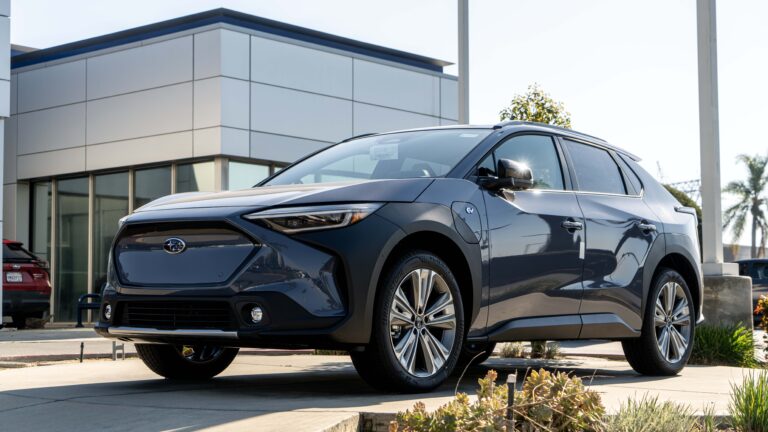
As more drivers in California explore fuel-efficient and eco-conscious options, the debate of hybrid vs electric vehicles is front and center in the car shopping journey. Whether you’re deciding between a new or used car, understanding the key differences, benefits, and lifestyle considerations between a new hybrid car or a used electric car can help guide your decision.
In this guide, we break down everything you need to know about hybrid cars and electric vehicles (EVs) to help you choose the best option for your needs. We’ll cover technology, fuel economy, maintenance, and more to simplify your decision-making process.
Explore Electric and Hybrid Vehicles At OAC
What Is a Hybrid Vehicle?
A hybrid vehicle combines a traditional internal combustion engine with an electric motor and battery. This combination allows the vehicle to switch between gas power, electric power, or use both simultaneously for optimized fuel efficiency.
There are different types of hybrids:
- Full hybrids (like the Toyota Prius) can run on electric-only power at low speeds.
- Mild hybrids use the electric motor to assist the gasoline engine but cannot drive solely on electricity.
- Plug-in hybrids (PHEVs) feature a larger battery that can be charged externally, offering more all-electric range.
Hybrid car shopping appeals to drivers looking for a fuel-efficient option without fully committing to charging infrastructure or range anxiety.
What Is an Electric Vehicle?
An electric vehicle (EV) runs entirely on electric power and does not use a gasoline engine. Instead, it uses an electric motor powered by a large battery pack, which must be charged from an external power source.
Most electric vehicles are capable of Level 2 or DC fast charging, making them ideal for daily commuting, especially in urban and suburban areas with charging stations.
EVs are known for:
- Zero tailpipe emissions
- Low maintenance needs
- Instant torque and quiet driving experience
When considering electric car shopping, it’s important to evaluate your daily driving range, access to chargers, and long-term savings potential.
Key Differences Between Hybrid and Electric Vehicles
| Feature | Hybrid | Electric Vehicle |
| Power Source | Gasoline + Electric | Electric only |
| Charging Required | Not always (except PHEVs) | Yes |
| Emissions | Low | Zero |
| Maintenance | Lower than gas cars | Lowest |
| Fueling Time | Quick refuel | Varies (30 mins to several hours) |
| Ideal For | Mixed city/highway driving | City/commute driving |
Each vehicle type offers unique strengths. For example, hybrids are great for long-distance trips with fewer fuel stops, while EVs shine in urban areas with accessible charging and stop-and-go traffic.
Benefits of Hybrid Vehicles
Hybrid cars remain a popular choice for those transitioning from gas-powered vehicles toward electrification. Here’s why:
1. Fuel Efficiency
Many hybrids, such as the Honda Accord Hybrid and Toyota RAV4 Hybrid, offer combined MPG ratings that significantly reduce trips to the pump.
2. No Range Anxiety
Because hybrids rely on both gas and electric power, drivers don’t need to worry about running out of charge or finding a charger mid-trip.
3. Great for Used Car Shoppers
There’s a growing market for used hybrid cars offering proven reliability and lower upfront costs compared to new EVs.
4. Tax Incentives (for PHEVs)
Some plug-in hybrid models may still qualify for federal and state tax incentives, similar to electric vehicles.
Making the Right Choice
Your decision between a hybrid and an electric vehicle should align with your driving habits, environmental goals, and access to charging infrastructure. Consider the following:
- Daily Commute: Short commutes may favor EVs, while longer drives might be better suited for hybrids.
- Charging Access: Limited access to charging stations may make hybrids more practical.
- Environmental Impact: EVs offer zero emissions, making them the greener choice.
For more information on electric and hybrids or to visit for a test drive, visit Ontario Auto Center.