
09-22-23

The Difference Between a Plugin Hybrid and a Regular Hybrid: Car Shopping in Ontario’s Inland Empire 

The Difference Between a Plugin Hybrid and a Regular Hybrid: Car Shopping in Ontario’s Inland Empire 

As hybrid cars increasingly gain popularity among eco-conscious drivers, car shoppers frequently encounter the terms ‘plugin hybrid’ and ‘regular hybrid’. But what really distinguishes these two types of vehicles? If you’re among the many residents of the Inland Empire looking to learn more about driving eco-friendly vehicles keep reading!  

Understanding the Basics: What is a Hybrid? 

Before diving into the nitty-gritty, let’s start with the basics. A hybrid vehicle combines a gasoline engine with an electric motor. This dual approach aims to offer the best of both worlds: the long-range capability of gasoline and the efficiency and low emissions of electricity. This combination ensures drivers can enjoy fuel efficiency, resulting in fewer trips to the pump and reduced greenhouse gas emissions. They have become a popular choice for those in Ontario and beyond, wanting to minimize their carbon footprint and increase efficiency while still enjoying the convenience of traditional vehicles. 

Regular Hybrids: The Pioneers of the Hybrid World 

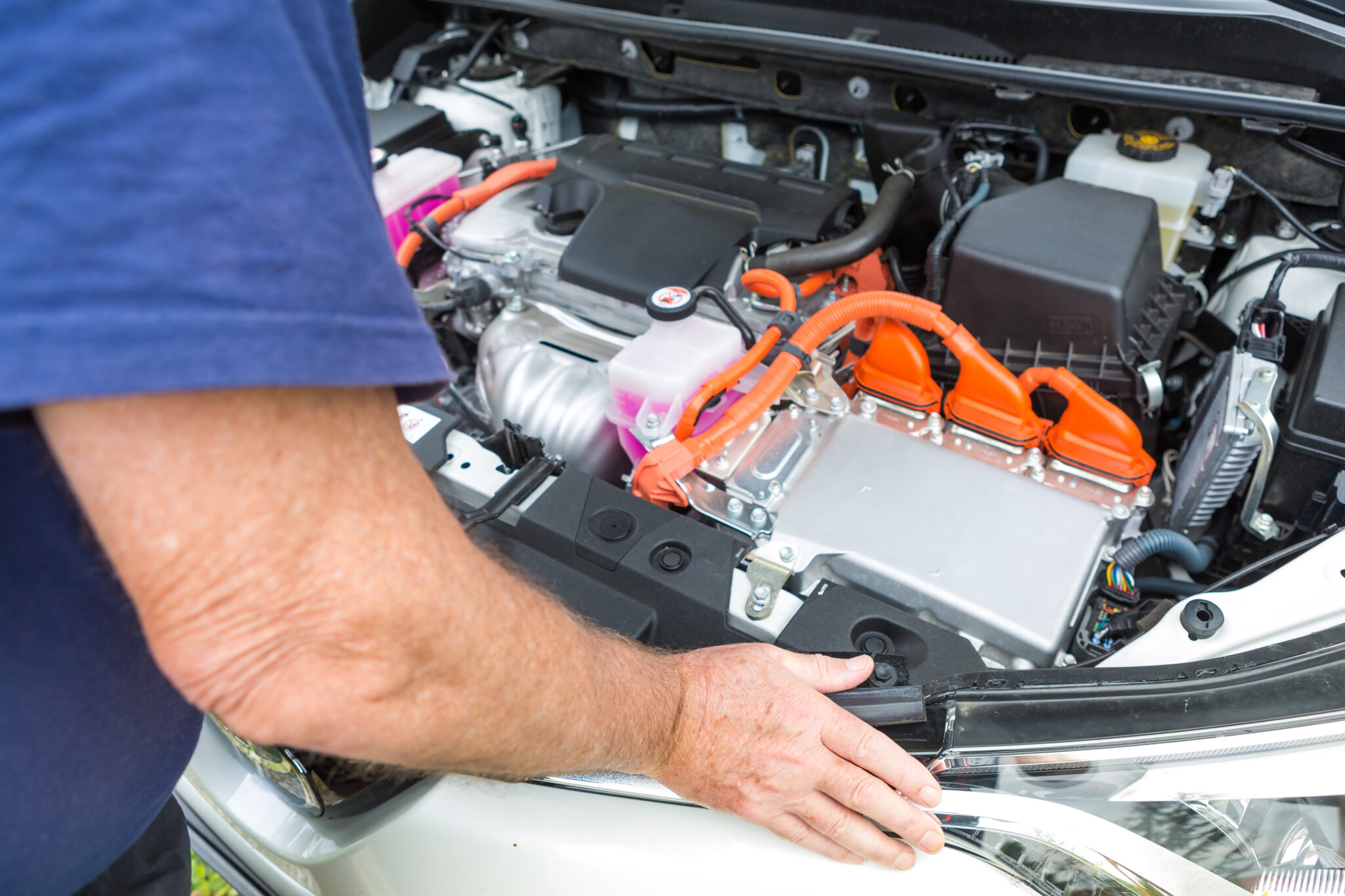
Regular hybrids have been around for a while. When car shopping, models like the Toyota Prius might come to mind. These vehicles possess both a gasoline engine and an electric motor. The magic of these cars lies in their ability to switch seamlessly between the two. They self-charge using processes like regenerative braking, where the energy typically wasted during braking is converted into electricity and stored in the vehicle’s battery. 

In a regular hybrid, you don’t plug it into an external power source; it’s all managed internally. They’re perfect for those looking to gain fuel efficiency benefits without changing their driving or fueling habits drastically. 


Plugin Hybrids: A Step Towards Full Electrification 

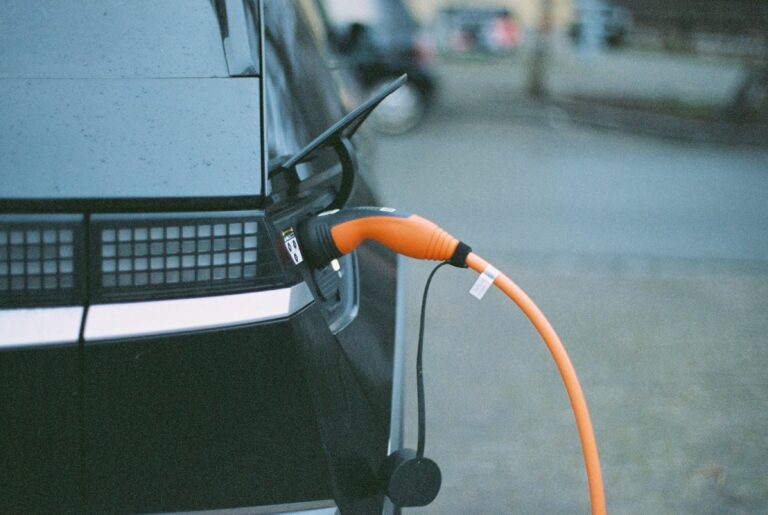
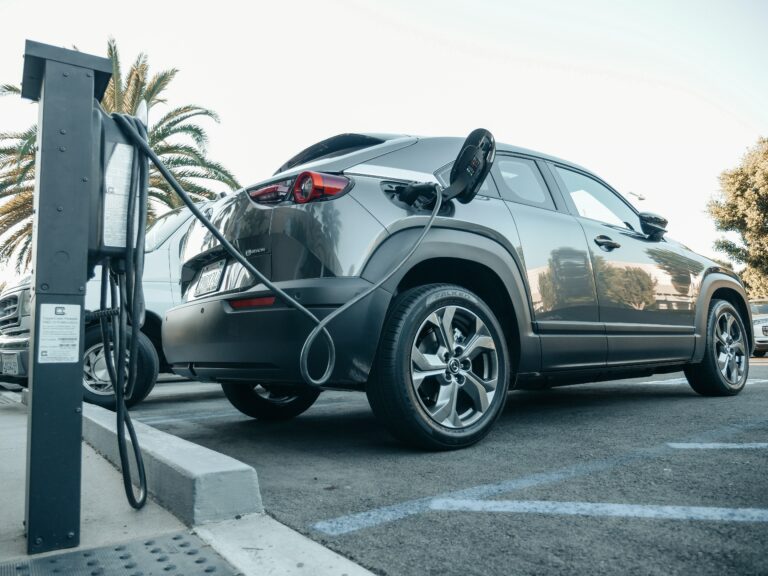
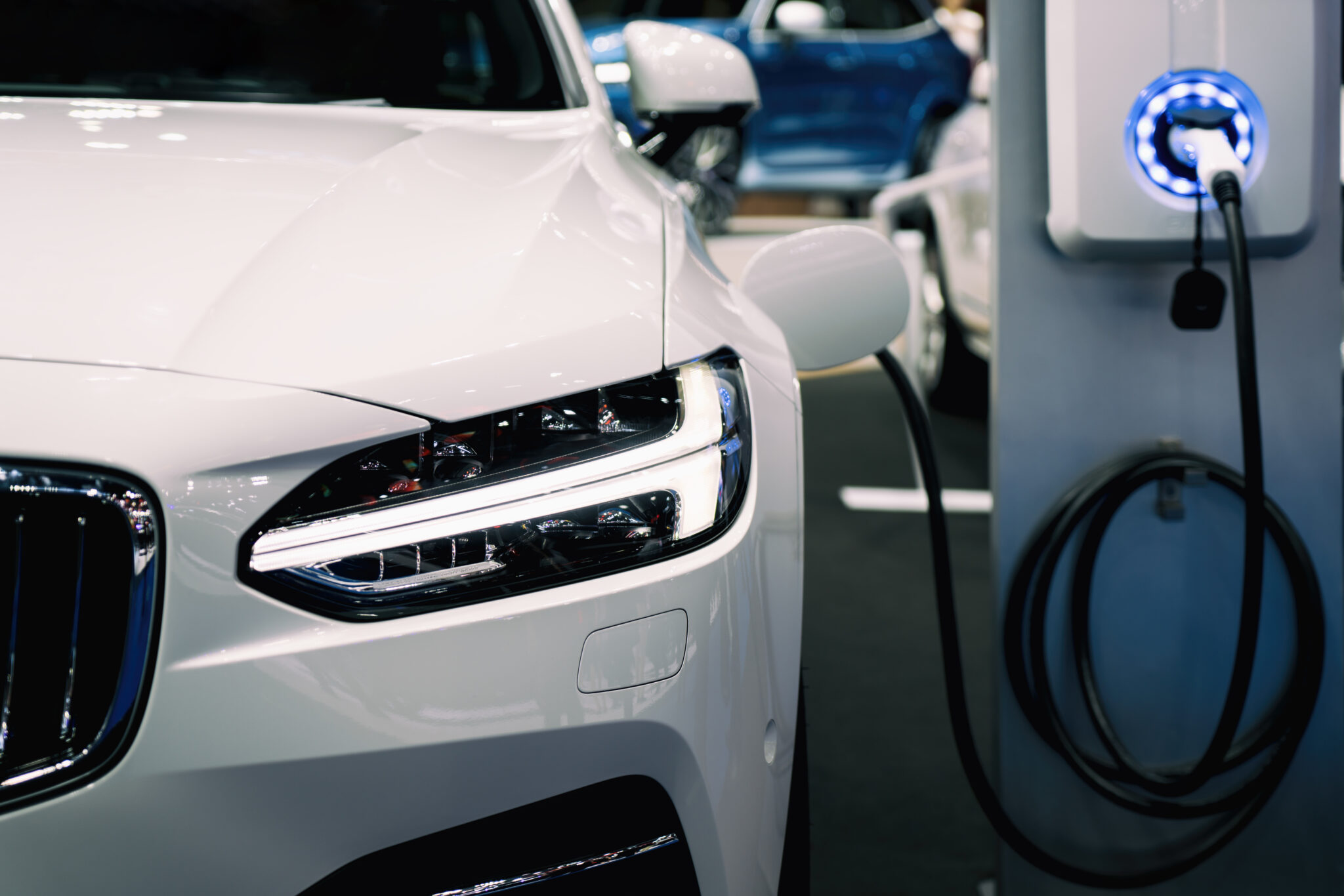
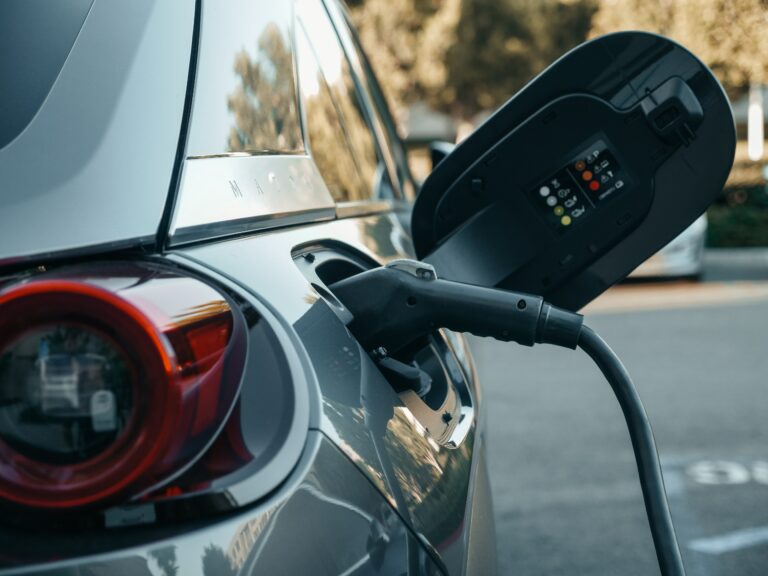
Plugin hybrids (often abbreviated as PHEVs) represent the evolutionary step between regular hybrids and fully electric vehicles. They are equipped with larger batteries than regular hybrids, which allows them to drive on electric power alone for extended periods. This battery can be charged by plugging it into an external power source, like a home charger or a public charging station. 

For shorter trips around California, say a quick trip within Ontario or a brief tour of the Inland Empire, a PHEV can often operate solely on electric power, thereby reducing emissions and gasoline consumption. But for longer journeys, once the battery depletes, the gasoline engine takes over, ensuring that the vehicle can continue to run smoothly. 

The primary advantage of a plugin hybrid lies in its flexibility. Drivers can enjoy the benefits of an electric car without any ‘range anxiety’ – the fear that their vehicle’s battery will run out before reaching their destination.  

Car Shopping in Ontario: Which Hybrid is Right for You? 

Choosing between a regular hybrid and a plugin hybrid boils down to individual needs, preferences, and habits. 

If your daily commute is short and you have access to a charging station (either at home or work), a PHEV might suit you best. With this setup, you might find that you rarely use gasoline, benefiting both your wallet and the environment. 

However, if you often drive longer distances and don’t have easy access to a charging station, a regular hybrid could be more convenient. These vehicles still offer increased fuel efficiency compared to traditional gasoline-powered cars. For those in Ontario and surrounding areas, we have available hybrid models to aid in your car shopping experience. 

Conclusion 

As the world moves towards more sustainable modes of transportation, understanding the options available becomes crucial. Whether you opt for a regular hybrid or a plugin hybrid, you are making an environmentally friendly choice that aligns with the future of driving. 

If you are in Ontario or the wider Inland Empire region and are considering making the switch to a hybrid, visit us to explore options that best suit your needs. Or, if you currently own a hybrid and need expert service, schedule a service with our trained technicians. 
Read More
CATEGORIES »
TAGS »

09-20-23

Guide to Purchasing a Car Out of State

Guide to Purchasing a Car Out of State

Making Your Inland Empire Drive Worthwhile 

Whether you’re from California or hailing from a distant state, car shopping in Ontario offers a myriad of choices and benefits. But what does it really take to purchase a car out of state? Here’s your definitive guide to making that interstate purchase with ease. 

  1. Know Why Ontario, California is the Car Shopper’s Haven

With numerous dealerships offering a wide array of car models, Ontario, nestled in the heart of the Inland Empire, provides you with options that many other regions might not. It’s not just about the diversity of cars; it’s about the complete shopping experience. The city’s dealerships, like those found at Ontario Auto Center, provide top-notch services, making car shopping a memorable experience as well as providing quality service centers. 

  1. Understand the Sales Tax Implications

One of the major concerns when purchasing a car out of state is understanding the sales tax. Usually, you will be required to pay the sales tax in the state where you register the car – typically your home state. However, nuances might vary, so it is best to consult with the local Department of Motor Vehicles (DMV) or a tax professional before making that purchase. 

  1. Vehicle Inspections and Emissions

Some states have strict vehicle inspection and emission standards. While California has its own set of rules, if you’re planning to take your new car to a different state, ensure that it adheres to that state’s regulations. You do not want your new car to become a source of hassle. 

  1. Title and Registration

It’s essential to receive the car’s title when purchasing. This proves ownership. Once you have the title, head over to your state’s DMV to register the car. Some dealerships in the Inland Empire might offer services to help streamline this process for out-of-state buyers, making car shopping even more seamless. 

  1. Consider the Warranty

Car warranties can sometimes be tricky when crossing state lines. Ensure the warranty on your new car is valid in your home state. If in doubt, consult the car’s manufacturer or dealership from where you’re purchasing. 

  1. Insurance Matters

Before driving your new car off the lot, especially across state lines, ensure you have the appropriate insurance coverage. Some insurance companies provide a grace period for adding a new car to your policy, but it’s best to inform them ahead of time. 

  1. Transportation and Delivery

If you’re not planning on driving your new car back to your home state, consider transportation options. Many dealerships in Ontario, and the larger Inland Empire region, collaborate with transport services. Alternatively, there are specialized services that can safely deliver your car right to your doorstep. 

  1. Take a Test Drive and Finalize the Deal

Yes, this might sound obvious, but always, always test drive the car before finalizing the deal. Feel the car, understand its features, and ensure it matches what was advertised. With technology these days, many customers opt for virtual tours, but nothing beats the tactile experience of a physical test drive. 

  1. Documentation is Key

Keep all documentation safe – be it the sales contract, title, or any correspondence with the dealership. This can be extremely handy for future reference or if any discrepancies arise. 

  1. Local Expertise Helps

Leverage the expertise of local dealerships in Ontario, California. They are familiar with assisting out-of-state buyers and can provide valuable insights into the process, ensuring you get the best deal. 

Closing Thoughts 

Purchasing a car out of state comes with its unique set of challenges. By being well-informed and doing a bit of groundwork, you can ensure your interstate car purchase is smooth and hassle-free. 

Looking to start your car shopping journey in Ontario? Visit Us or perhaps, you already bought a car and are looking for top-tier servicing options? Schedule here 

Safe driving! 

Read More
CATEGORIES »
TAGS »

09-18-23

Tips for Passing Emissions & Smog Testing in Ontario and the Inland Empire 

Tips for Passing Emissions & Smog Testing in Ontario and the Inland Empire 

Navigating the world of vehicle ownership comes with its share of responsibilities, one of which is ensuring that your car passes emissions and smog testing. This is especially pertinent for residents in Ontario and throughout the Inland Empire, where air quality is a growing concern. If you are car shopping or simply looking to keep your current vehicle in compliance, understanding the intricacies of smog tests can make the process far less daunting. 

Here are some tried-and-tested tips to help your vehicle sail through its next smog test with flying colors. 

Understanding Smog Tests 

Before diving right in, it is important to understand what a smog test is and why it is important. Smog tests assess the amount and types of pollutants your car emits. They are designed to ensure that vehicles on the road meet the emissions standards set by local and federal agencies. Failing a smog test could result in penalties and restrictions on your vehicle, which is why it is important to be proactive. 

For more detailed information, you can check the California Air Resources Board website. 

Tip #1: Regular Maintenance 

Regular maintenance is the cornerstone of a healthy, smog-compliant vehicle. Routine oil changes, air filter replacements, and checks on your exhaust system can go a long way in ensuring that your car is emitting fewer pollutants. If your car is due for a check-up, do not hesitate to schedule a service. 

Tip #2: Keep the Catalytic Converter in Good Shape 

Your vehicle’s catalytic converter plays a pivotal role in reducing harmful emissions. It is a cleaning chamber that uses chemical reactions to transform pollutants into less harmful substances. Keeping your catalytic converter in top shape is crucial for passing smog tests. If you suspect that your catalytic converter might be malfunctioning, get it checked immediately.  

Tip #3: Warm-Up Your Car 

Driving your car for about 20 minutes before taking the smog test can help the engine reach its optimal operating temperature. A warm engine is more likely to complete combustion cycles properly, resulting in fewer pollutants emitting. 

Tip #4: Check Engine Light 

If your ‘Check Engine’ light is on, you will automatically fail the smog test. The light indicates that there is a problem related to your vehicle’s emissions system. Running a quick test at the repair shop should be able to pinpoint the problem. The problem could be as simple as a loose gas cap or an old oxygen sensor or bad spark plug.  If this is the case, schedule your service appointment today and we can make the necessary repairs to get your vehicle ready to pass the smog test. 

Tip #5: Check Tire Pressure 

Though it may sound unrelated, tire pressure can impact your smog test. A smog test often involves running your car on a dynamometer. Inconsistent tire pressure can result in a skewed emissions output, increasing the chances of failing the test. Before getting your smog test, ensure that all your tires are adequately inflated, you can visit tire basics here 

Tip #6: Keep the Battery in Good Condition 

A recent battery replacement or a disconnected battery can reset your vehicle’s internal self-checks related to emissions. A smog test checks for completion of these internal tests, so it is advisable to drive your car for a week or so to reset these systems before taking the test. 

Tip #7: Don’t Forget the Gas Cap 

A missing or malfunctioning gas cap can result in a failed smog test. A loose cap allows vapors to escape, adding to air pollution. If your gas cap is damaged, it is a quick and inexpensive fix that could make a difference in passing your smog test. 

Ontario and the Inland Empire Smog Test Locations 

Numerous service centers in Ontario and the Inland Empire offer smog tests. Many of them also provide pre-smog check services to evaluate whether your car is ready for the real test. Take advantage of this to give yourself the best chance of success. 

For an extensive list of smog test locations, you can visit SmogTips.com. 

The Importance of Compliance 

Failure to pass your smog test can result in various penalties, ranging from fines to not being allowed to drive your vehicle until it meets standards. By following the above tips, you increase your chances of keeping your vehicle compliant and road ready. Especially if you are planning to keep your current vehicle for years to come, these tips will help you stay on top of your smog test requirements. 

Conclusion 

Smog tests are essential for both environmental conservation and legal driving conditions. If you are in Ontario or the Inland Empire and need to get a smog check, remember that preparation is key. Follow these guidelines, schedule a pre-check or a service, and keep your vehicle in top shape to play your part in keeping the air clean. 

Do not let the prospect of a smog test dampen your automotive experience. Make it an opportunity to understand your vehicle better and contribute to a healthier environment for everyone. 

Read More
CATEGORIES »
TAGS »

09-14-23

Easy Steps On How to Check Your Brake Fluid in Ontario

Easy Steps On How to Check Your Brake Fluid in Ontario 

For those of you nestled in the heart of the Inland Empire, it’s common knowledge that car shopping and regular car maintenance are key components to ensuring a smooth drive through Ontario’s busy streets. If there’s one crucial aspect of car maintenance that often gets overlooked, it’s the brake fluid check. In this blog post, we’ll dive into straightforward steps of how you can check your brake fluid at home. 

Checking the brake fluid is more than just a routine maintenance task; it’s about ensuring safety for both you and other drivers on the road. Before you get back on the road, let’s ensure your brakes are in perfect condition! 

Why is Checking Brake Fluid Important? 

Brake fluid is to your brakes what blood is to your heart. It transfers force into pressure, amplifying braking force. Over time, brake fluid can become contaminated with water and other impurities. This not only reduces its efficiency but also can corrode your braking system from the inside out. Given our varying climates and the dynamic driving conditions of the Inland Empire, regular brake fluid checks are important. 

Step-by-Step Guide to Check Your Brake Fluid 

  • Park on a Level Surface: Find a flat and stable area. This ensures that the brake fluid is level inside the reservoir and will give an accurate reading. 
  • Turn Off the Engine and Let Your Vehicle Cool: Checking brake fluid immediately after driving can be dangerous due to the heat generated by the braking system. 
  • Locate the Brake Fluid Reservoir: Open your car’s hood and locate the brake fluid reservoir. Most modern vehicles have a clear reservoir with a level marking on the side. If you’re unsure, refer to your car’s manual or manufacturer for specific model information. 
  • Check the Fluid Level: The brake fluid level should be between the ‘MAX’ and ‘MIN’ lines. If it’s below the minimum line, it may be time to add more or even consider a brake fluid change. A word of caution: Never overfill the reservoir. 
  • Inspect the Fluid’s Color: Fresh brake fluid is clear with a slight amber tint. If it appears dark brown or black, it indicates contamination and necessitates a change. 
  • Feel the Fluid: Using a clean cloth, dab a little brake fluid between your fingers. It should feel oily. If you feel any gritty particles, this suggests internal wear or contamination. 
  • Check for Any Leaks: A falling brake fluid level might indicate a leak. Inspect the ground under the car and the area around the brake reservoir and lines for any signs of leakage. 

If you’ve determined that your brake fluid needs a top-up or a change, it’s essential to use the correct type specified in your vehicle’s manual. Not sure which one to pick? Dive into some reputable publications on brake fluids or visit or trusted service center in the Inland Empire for advice. 

Conclusion 

Checking your brake fluid is a task that is crucial for ensuring the safety and efficiency of your vehicle. With the California driving conditions, ensuring that your brake system is in top condition should be a priority. 

If you’re in the midst of car shopping or considering some critical vehicle maintenance, remember that the condition of your brake fluid can be a telling sign of the overall health of the car. Need help or want to schedule a professional check? Visit us to receive top-notch services in the Ontario area. 

Stay safe, stay informed, and happy driving! And for more tips, tricks, and advice on vehicle maintenance and car shopping in Ontario, check out our blog. 

Read More
CATEGORIES »
TAGS »

09-12-23

Can You Trade in a Leased Car in Ontario’s Inland Empire?

Can You Trade in a Leased Car in Ontario’s Inland Empire? 

Trading in a car can be a complicated process for many in Ontario, especially if the vehicle you are considering is a leased one. With the growth in car shopping in California’s Inland Empire region, many shoppers wonder, “Can I trade in a leased car?” The short answer is: Yes, you can. But as with anything car-related, there are details to consider. 

Understanding the Basics of a Car Lease  

Car leasing has grown in popularity for those in the Inland Empire. With its flexibility and often lower monthly payments, it has become a popular option for many. In a lease, you rent the car from a dealer for a predetermined period. At the end of this period, you have the choice to buy the car, return it, or trade it in towards a new vehicle. 

But what if you fall in love with a new model before your lease is up? Or, perhaps, your driving needs change? This is where the concept of trading in a leased car comes into play. 

How to Trade in a Leased Car While Car Shopping 

  • Equity Check: First, you need to determine the equity status of your leased car. If your vehicle’s current market value is more than what you owe, you have positive equity. This can be a significant advantage when trading it in. On the other hand, if you owe more than its value, you have negative equity and might need to cover the difference when trading in. Sites like Kelley Blue Book can provide you with an estimate of your car’s value. 
  • Early Termination: Check your lease agreement for early termination conditions. Some contracts may have hefty fees for ending the lease early. It is essential to be aware of these to avoid unpleasant surprises. 
  • Dealer Buyout: If you are eyeing another vehicle from the same dealership or its affiliates, they might offer a dealer buyout. In this scenario, the dealership buys the car from the leasing company, effectively ending your lease. You can then either purchase the car or begin a new lease. 
  • Roll Over: If you have negative equity, dealers might offer to roll over the amount you owe into the lease or loan of your next vehicle. While this can get you out of your current lease, it could also increase the monthly payments for your next vehicle. 

Explore our new and exciting range of cars available for lease in the Inland Empire at https://www.ontarioautocenter.com/ 


Things to Keep in Mind 

  • Mileage: Remember that leases have mileage limits. If you have exceeded this, there could be penalties. However, if you are under the mileage limit, it might add to your car’s trade-in value. 
  • Condition: Ensure your car is in good condition. Any damage beyond “normal wear and tear” could incur charges, decreasing your trade-in value. 
  • Research: Always research and compare offers. Check online resources, visit our multiple dealerships in Ontario, and consult with financial experts. The more informed you are, the better position you will be in to negotiate. 

Schedule a service check to ensure your leased car is in its best shape before trading in. 

Inland Empire’s Car Shopping Scene 

The Inland Empire, especially Ontario, has seen a surge in car shopping activities. With a plethora of reputable dealerships, Ontario Auto Center consumers have a wide variety of options, whether they are considering leasing or buying. Leveraging the region’s robust car shopping industry can be beneficial when thinking of trading in your leased vehicle. 

Moreover, with trusted dealerships, you can be assured of transparent trade-in processes, making your experience seamless. 

Final Thoughts 

Trading in a leased car is certainly possible, and for many, it can be a smart move. However, it is crucial to be well-informed, understand your lease agreement, and be aware of market conditions. The car shopping scene in the region is vibrant, providing many opportunities for those looking to make the switch. 

As with all financial decisions, it is recommended to consult with experts or trusted dealerships before making the trade. And remember, every situation is unique. What worked for someone else might not work for you, so always base your decisions on your personal circumstances and needs. 

If you are ready to explore more options or start your car shopping journey in the Ontario, California region, browse inventory from our 19 brands at https://www.ontarioautocenter.com/ 

Read More
CATEGORIES »
TAGS »

09-12-23

How to Make a Bow for a New Car

How to Make a Bow for a New Car  

You’ve just made a big decision. After days, if not weeks, of car shopping, you’ve finally settled on your dream vehicle. Whether it’s a shiny new car or a gently used car that is new to you, there is excitement in the air. Now, you want to add the perfect finishing touch – a car bow. It is the cherry on top that makes your purchase feel even more special. But how exactly do you make a bow fit for such an occasion? We’ve got you covered with a simple step-by-step guide. 

Why Add a Bow to Your New Car? 

Before we dive into the how-to, let’s talk about the why. A car bow symbolizes celebration, a milestone, or a gift – it is a visual representation of all the excitement surrounding your new car. 

  1. Gather Your Materials:
  • Large ribbon – The color and material are up to you, but a wide, thick ribbon works best. For a standard car bow, you might need about 15-20 feet of it. 
  • Scissors 
  • Twist tie or wire 
  • Tape measure 
  1. Start with the Ribbon’s Center: Lay the ribbon flat on a surface and find its center. This will be the base of your bow and will be placed directly on the car.
  2. Create the Loops: Starting from the center, create a loop on each side, ensuring they are symmetrical. Depending on the ribbon’s length and your desired bow size, these loops can be anywhere from 12 to 24 inches in diameter.
  3. Fold and Twist: Hold the loops where they meet in the middle and twist them together. This will be the bow’s center.
  4. Create More Loops: Continue to make smaller loops, always ensuring symmetry on both sides, and twist them together in the center. A standard car bow usually has three to four loops on each side.
  5. Finalize the Bow: Once you’ve achieved the desired size and look for your bow, use the twist tie or wire to secure the loops in the center. This ensures they hold their shape.
  6. Add the Tails: Using the remaining ribbon length, create two tails that drop down from the bow. Cut the ends diagonally for a polished finish.
  7. Place It on Your New Car: Position your handmade bow on the hood or roof of your new or used car. Ensure its secured well, especially if you are planning a photo shoot or a short drive with the bow on.

And voila! You now have a stunning bow to complement your beautiful vehicle. 

Driving around Ontario and the entire Inland Empire with a bow-adorned car isn’t just about showing off your recent purchase. It is a symbol. It says, “I’ve achieved something special.” And if you are gifting the car to a loved one, it is a gesture they will never forget. 

Now, if DIY is not your thing, there are numerous local businesses in Ontario and surrounding areas that offer pre-made car bows. While the personal touch of a hand-made bow is unbeatable, a pre-made bow can be a time-saving alternative.  

Remember, every car, whether brand new or a used one, tells a story. From the moment you begin your car shopping journey at Ontario Auto Center, to the day you drive it home, and every trip thereafter, your vehicle is a part of your life’s narrative. The bow is just the beautiful beginning. 

When you’re ready to schedule your next service or browse a collection of new and used cars that would look fantastic with a bow visit us anytime at Ontario Auto Center.  

For more tips, tricks, and insights related to car shopping and car care in the Inland Empire, keep an eye on our blog 

Read More
CATEGORIES »
TAGS »

09-11-23

How Long Do Electric Car Batteries Last? A Comprehensive Guide for Ontario and the Inland Empire

How Long Do Electric Car Batteries Last? A Comprehensive Guide for Ontario and the Inland Empire 

As electric vehicles (EVs) continue to surge in popularity in Ontario, California, and the greater Inland Empire, one question remains at the forefront of every car shopper’s mind: “How long do electric car batteries last?” 

Electric vehicle technology has made considerable strides over the years, offering enhanced performance, reliability, and, most importantly, improved battery life. Let’s dig deeper into the lifespan of electric car batteries and what you need to know as you embark on your EV car shopping journey. 

The Basics of Electric Car Battery Lifespan 

Electric car batteries are not a one-size-fits-all feature; their longevity depends on various factors such as the type of battery, driving conditions, and how the vehicle is used. On average, you can expect an electric car battery to last between 8 and 15 years. However, some batteries are expected to last up to 20 years. 

Types of Electric Car Batteries 

  • Lithium-Ion Batteries: These are the most commonly used batteries in modern electric vehicles. They are known for their high energy density and longevity. This technology can be found in many EV’s you can find throughout OAC, including the all-new Toyota, bZ4X, a 4-door SUV & Subaru Solterra as well as the new 2023 Nissan LEAF. 
  • Nickel-Metal Hydride Batteries: Although less common, these are used in some older or entry-level models. They tend to have a shorter lifespan compared to lithium-ion batteries. 
  • Solid-State Batteries: These are an emerging technology expected to offer even better performance and lifespan, although they are not yet widely available. 

According to studies from Consumer Reports, lithium-ion batteries have been shown to degrade only about 2% per year, indicating a pretty robust lifespan.  

Factors Affecting Battery Lifespan 

Several elements contribute to the lifespan of an electric vehicle battery. Understanding these can help you make an informed choice during your car shopping experience in Ontario or elsewhere in the Inland Empire. 

  • Charging Habits: Consistently charging your battery to 100% and draining it completely can reduce its lifespan. It’s recommended to keep the charge between 20% and 80% for optimal longevity. 
  • Driving Conditions: Extreme temperatures, either hot or cold, can affect battery performance. The moderate climate of California tends to be beneficial for EV batteries. 
  • High-Speed Driving: Frequently driving at high speeds can also reduce battery life over time. 
  • Manufacturer Warranty: Always check the warranty when buying an electric vehicle. Many manufacturers offer 8-year warranties or longer, which can give you peace of mind. 

For more information on what to consider when buying an electric vehicle, [INSERT LINK HERE] to guide you through your car shopping journey. 

Maintenance Tips for Longer Battery Life 

For those living in Ontario and the surrounding Inland Empire regions, keeping your electric vehicle’s battery in tip-top shape is crucial. Here are some maintenance tips to extend your battery’s life: 

  • Regular Inspection: Regular check-ups can identify any issues before they become major problems. Schedule your next service appointment with Ontario Auto Center. 
  • Moderate Charging: As mentioned before, it is best to keep your battery’s charge between 20% and 80%. 
  • Park in a Sheltered Environment: Especially in the Ontario heat, try to park in shaded or covered areas to protect the battery from extreme temperatures. 

The Future of Electric Car Batteries 

The electric vehicle industry is rapidly advancing, and we can expect even better battery technologies in the coming years. Research into solid-state batteries and other innovative technologies could make the question “How long do electric car batteries last?” almost obsolete. For the latest trends and advancements, check out this article about what’s next for batteries 

Conclusion 

As electric vehicles become increasingly common on the roads of Ontario, California, and the Inland Empire, understanding the lifespan of electric car batteries is crucial. While technology has improved significantly over the past decade, maintenance and proper care are still vital for extending your EV battery’s life. 

Ready to take the plunge into the world of electric vehicles? Visit us at Ontario Auto Center to explore our extensive selection of EVs that suit all lifestyles and budgets. And if you’re looking to schedule a service appointment for your electric vehicle, you can trust us to keep your EV running smoothly for years to come. 

For further reading, please refer to trusted publications such as Automotive News and Car and Driver for more in-depth information on electric vehicle batteries and trends. 

Read More
CATEGORIES »
TAGS »

08-21-23

How Much Does It Cost to Charge an Electric Vehicle?

How Much Does It Cost to Charge an Electric Vehicle? 

Electric vehicle (EV) adoption comes with many advantages including reduced emissions, less maintenance and a quieter ride. However, you might wonder how much it will cost to reap these rewards.  

Is it true that it costs less money to charge an EV than to fuel a gas engine? Let’s check out some real-world situations and costs for charging an electric vehicle, and uncover the financial benefits of this type of automotive power. 

Costs to Charge an EV 

There are three common ways of charging an EV: at home, at a Level 2 (L2) station and through Direct Current Fast Charging (DCFC). Here’s how they add up! 

At home 

This is the most affordable and best way to charge your EV. Leaving it plugged in overnight at home is cost effective as well as charges the battery gradually which is easier on the electrical system.  

Electric costs throughout the country vary, but we’ll use the California rate from the United States Energy Information Administration for our example. In California, the average residential cost of electricity is 29.78 cents per kilowatt-hour (kWh), though generally nighttime and overnight rates are lower. Each battery pack has a different capacity, so for our example we’ll use the Hyundai IONIQ 6, which comes standard with a 53 kWh battery. This provides an all-electric range of 240 miles. To bring the charge from empty to full, that would be approximately $15.78.  

Keep in mind, you won’t need to charge your battery every night just as you don’t need to fill up at the pump every day. Depending on your commute, you might be able to drive a week (or more) without needing to charge. 

Compare that to filling up at the pump. AAA shows that the average price for a gallon of regular gas in California is $5.09. Even if your vehicle has a small, 12-gallon tank, you’re looking at $61.08 to fuel up, and it’s likely that your car will have a larger gas tank capacity.  

All of this math is to say that charging an EV at home is incredibly cost effective.  

Level 2 

L2 charging is what you find at most public stations, and you can have an L2 charger installed at your home if you choose. That can be costly but might be worth it if you plan on staying in your home for a long time and own more than one EV.  

L2 charging provides a bit faster charge, but since this is out at a public filling station or at a shopping center, can cost more. It’s estimated that California drivers can expect to pay 30 cents per kWh at L2 charging stations. Using our IONIQ 6 example above, that means that from empty to full, it would be approximately $15.90. However, this could take several hours, just as charging at home takes time. Not a big deal if you’re parking for an extended time to run some errands and enjoy a meal or a movie, but worth noting that there is a time investment here. 

DC Fast Charging 

The final option would be to seek out a DCFC station, which can fill a vehicle up to 80% range in 15-20 minutes. While incredibly convenient, fast charging is hard on the EV’s battery, so you would want to reserve this type of charging for only certain occasions such as road trips or emergencies.  

Electrify America, one of the bigger DCFC station providers, says that without a membership, it is 48 cents per kWh. For our IONIQ 6, that would be $25.44 to charge up. Even with the jump in pricing, this is still less money than filling up at the pump. 

Charging an EV 

The benefits to owning an EV are numerous, including the low cost of charging. Compared to current gas prices, it is much more affordable to charge an EV than it is to fill up with fuel at a gas station. Those that can regularly charge a vehicle overnight at home, or have the time to use an L2 station while out and about, will have the lowest costs of charging as well as protect the battery pack and boost longevity.  

Get more information on the cost of charging your new EV

Contact the any of our dealerships at Ontario Auto Center to learn about available EVs and anticipated charging costs specific to that vehicle.  

Read More
CATEGORIES »
TAGS »

08-14-23

What Kind of Maintenance Does an Electric Vehicle Need?

What Kind of Maintenance Does an Electric Vehicle Need? 

Electric vehicles (EV) continue to experience a rise in adoption and popularity. If you’ve only owned gas-powered vehicles, you might wonder what kind of maintenance an EV needs. Here are a few of the core maintenance requirements of EVs. 

Main Areas of EV Maintenance  

Battery 

Instead of an internal combustion engine (ICE) that ignites fuel to create power, an EV uses a battery. So, your EV will not need an oil change. Instead, you’ll need to maintain the battery pack, which is what provides power to the electric motor. This is simply checking the battery’s health and capacity to ensure that battery performance is satisfactory.  

Most batteries should last 10-20 years, and every battery sold in the U.S. comes with a minimum eight year/100,000 mile warranty. So, while you do need to keep track of performance and take steps to promote longevity, battery maintenance is relatively easy.  

Transmission 

Most EVs have an automatic single-gear transmission which needs to be lubricated. Transmission fluid should be checked regularly and flushed and replaced as needed.  

Brakes 

ICE vehicles typically use a hydraulic system with disc or drum brakes. These types of conventional braking systems rely on friction (the brake pad pushing up against the drum or pinching the disc) to get the vehicle to stop. In this case, that energy is lost as heat. 

In comparison, most EVs use regenerative braking, which allows the battery to recoup some of the energy spent as the vehicle slows. It essentially uses the wheels to turn the motor during deceleration. This system needs to be properly maintained as it can affect both the driver’s ability to stop as well as the engine’s ability to take advantage of the kinetic energy created during the braking process.  

Regenerative braking systems still use brake pads as well as brake fluid, so owners of EVs should anticipate getting these items checked every five years or 100,000 miles.  

Tires 

Of course, tires for EVs are the same as tires for ICE engines. Wear and tear of tire treads should be monitored, and owners can use the penny test to confirm tread depth. EV owners should also check tire pressure with a gauge and complete a visual inspection for any punctures or uneven wear.  

Coolant 

EVs use a special type of low conductivity coolant. EV coolant doesn’t have to do the heavy lifting that coolant in an ICE vehicle must of dispersing heat from the engine, but it’s still a good idea to check the level periodically. You might not ever need to replace the coolant, but with heavy usage of the vehicle there is the possibility of having to flush and replace the coolant every five years or 100,000 miles. 

Maintaining an EV 

Most new EVs have fewer maintenance requirements than ICE vehicles. With a battery pack instead of an engine, oil changes are not needed, so the only other items are more longer-term maintenance or typical vehicle needs such as tire care.  

Want to learn more about EV maintenance?

Contact the any of our dealerships at Ontario Auto Center to learn about available EVs and any maintenance items owners can expect.  

Read More
CATEGORIES »
TAGS »

08-07-23

How Many Miles Should a Used Car Have?

How Many Miles Should a Used Car Have? 

If you’re looking for a new-to-you vehicle, how do you know how many miles is good for the year, make and model you’re considering? Here are some insights on used car mileage. 

What Should the Mileage Be on a Used Vehicle? 

A general rule of thumb 

Used car mileage can vary greatly, but on average drivers put 10,000 to 12,000 miles per year on their vehicles. For example, if you’re looking at a vehicle that is four years old, you can expect that vehicle to have anywhere from 40,000 to 48,000 miles. Anything under that would be considered low mileage, and anything significantly over that would be considered high mileage.    

Why does mileage matter? 

Vehicles are made up of many moving parts. A car’s mileage is a good indicator of the wear and tear that the parts have received. That might also provide some insight into how much more life is left in the vehicle before costly repairs are needed. Most expensive maintenance typically takes place after a vehicle has racked up 100,000 miles. This does depend on the make and model, as some vehicles are known for longevity and low ownership costs and can be reliable with minimal repairs through 200,000 miles. 

Type of mileage matters 

It can be important to find out what type of mileage was put on the vehicle, as not all mileage affects cars the same. Highway miles are easier on vehicles than city mileage from a lot of stop-and-go traffic. The quicker speed of freeway driving allows the vehicle’s parts, particularly the engine, to get regular lubrication and the chance to burn off any carbon build-up. It’s also better for the battery as the vehicle is likely running for longer periods of time, giving the battery a chance to charge up from the alternator.  

Be cautious of very low or very high mileage 

If a car’s mileage is so low that it is too good to be true, it might indicate a stored or rarely used vehicle. This not only doesn’t give the car the driving time needed to keep everything in good working order, but it could indicate that the vehicle didn’t receive regularly schedule maintenance. If the vehicle is just sitting, the previous owner might not have cared for the vehicle since it wasn’t a priority or main driver.  

Very high mileage can also be a red flag. If the vehicle has been driven so much in a short amount of time, not only are the engine parts receiving that usage, but so is the interior. Make sure that seats and other interior appointments are comfortable and look like they will continue to last for how long you plan on owning the vehicle.  

How Many Miles on a Used Car is Good? 

Most used cars will have typical miles for the vehicle age. It’s a good idea to investigate very high or low mileage, as that can signal how the vehicle was maintained and how much life is left. Keep in mind that some vehicle makes and models offer incredible longevity, so higher mileage isn’t as much of a concern for those used options. 

Want to learn more about a used vehicle purchase?

Contact the any of our dealerships at Ontario Auto Center to learn more about certified pre-owned vehicle options. A certified pre-owned vehicle can give you peace of mind that the vehicle is in good shape, and many come with limited warranties for added protection!  

Read More
CATEGORIES »
TAGS »

07-19-23

EV Longevity vs. ICE: Battery Life, Maintenance & Costs

Do Electric Cars Last Longer Than Gas Cars?

Introduction

As electric vehicles (EVs) continue to gain popularity, many drivers are wondering: do electric cars last longer than gas cars? While EVs are still relatively new compared to traditional internal combustion engine (ICE) vehicles, advancements in technology suggest that EVs may offer greater longevity. From fewer moving parts to advanced battery management, EVs are engineered for durability and lower maintenance.

Of course, concerns about battery lifespan and degradation remain common among potential EV buyers. Understanding how EVs are designed and maintained can help to determine whether they truly outlast gas-powered vehicles. We have an abundance of electric vehicles on our lots at Ontario Auto Center, and we will help you explore what impacts vehicle longevity and how EVs compare.

Will an EV Last Longer than an ICE Vehicle?

When comparing electric car longevity to gas cars, it’s important to look at lifespan projections. The average gas-powered vehicle lasts about 10 to 15 years or between 150,000 to 200,000 miles, depending on driving habits and maintenance.

EVs, however, are beginning to exceed these figures. Modern EV battery packs are designed to last between 10 to 20 years, with many models reaching well over 200,000 miles. As battery technology improves, these numbers are expected to climb. Additionally, EVs benefit from lower maintenance costs due to simpler drivetrains and fewer parts that wear out, giving them an edge in long-term ownership.

What Contributes to EV Longevity?

Mind the Temperature

Temperature plays a critical role in how long an EV battery lasts. Extreme heat or cold can accelerate battery degradation. Parking in garages, shaded areas, or temperature-controlled environments can help maintain battery health. Most EVs come equipped with Battery Management Systems (BMS) that regulate temperature by activating cooling or heating as needed, but minimizing exposure to harsh conditions is still important.

Avoid Fast Charging

While DC fast charging is convenient, frequent use can contribute to battery wear by generating excess heat. It’s best reserved for long trips or emergencies. For daily charging, Level 2 home chargers are gentler on the battery. Understanding when to use fast charging helps extend battery life and supports the case when considering if electric cars last longer than gas cars.

Stay in the Middle (Optimal Charge Levels)

Keeping your battery charged between 20% and 80% is widely recommended to prevent strain on battery cells. Many EVs offer settings to limit charge levels, and some include pre-conditioning features that optimize battery temperature before charging. Staying within this optimal range is one of the easiest ways to extend battery health and improve overall longevity.

Fewer Moving Parts

One key reason EVs may last longer than gas cars is mechanical simplicity. Gas engines contain hundreds of moving parts such as pistons, belts, valves, and more. All of these parts require regular maintenance or replacement.

In contrast, EVs use electric motors with far fewer components. There’s no need for oil changes, timing belts, or exhaust system repairs. This reduction in mechanical complexity means fewer opportunities for breakdowns, translating to lower long-term costs and potentially longer vehicle life.

Ease of Charging

Charging habits directly affect battery longevity. For most drivers, Level 2 home charging provides a steady, controlled flow of power, ideal for preserving battery health.

For those who need on-the-go solutions, public charging networks like Electrify America offer access to fast and convenient charging stations across the country, making EV ownership even more flexible.

Many EVs now feature smart charging software that allows drivers to delay charging to off-peak hours, limit maximum charge levels, and monitor battery status in real time. These tools help optimize charging behavior, reduce stress on the battery, and contribute to the answer when asking do electric cars last longer than gas cars.

Real-World Data on EV Battery Degradation

Studies provide real-world evidence supporting EV longevity. A P3 & Aviloo study of over 7,000 EVs found that most maintained strong battery health after several years of driving. Similarly, Geotab’s analysis of 5,000+ EVs across 11 models showed an average battery degradation rate of just 2.3% per year. This means a five-year-old EV typically retains around 88% of its original battery capacity.

Case studies highlight long-lasting EVs on the road today. Many early Tesla Model S vehicles from 2012 and 2013 have surpassed 200,000 miles while maintaining solid performance.

Extending the Life of an EV

Battery replacement is often cited as a concern, but modern EV batteries are designed to last. Total battery failure is rare, and most manufacturers offer warranties covering 8 to 10 years or 100,000 miles.

Costs vary If replacement is ever needed. Compact EVs may range from $5,000 to $8,000, while larger or premium models could reach $12,000 to $20,000. However, innovations in battery reuse and recycling are helping reduce long-term costs. Retired EV batteries are often repurposed for energy storage, powering homes, or supporting solar energy systems.

Future Innovations in Battery Longevity

Battery technology continues to evolve. Lithium iron phosphate (LFP) batteries are gaining popularity due to their thermal stability and resistance to degradation, though they offer shorter driving ranges. Some automakers are also developing solid-state batteries, which promise longer lifespans, faster charging, and improved energy density.

Over-the-air software updates now allow manufacturers to enhance battery performance, thermal management, and charging behaviors remotely. This constant optimization helps EVs age more gracefully compared to ICE vehicles.

Long Lasting Electric Vehicles

Several EVs from brands available at Ontario Auto Center stand out for their long-term durability. The Hyundai IONIQ 5 is known for its advanced battery management system and thermal controls that help reduce degradation over time. The Volkswagen ID.4 also offers strong battery efficiency, backed by smart charging features and a robust warranty for peace of mind. More premium options such as the BMW i4 combine battery technology with luxury.

Battery chemistry and thermal management play a critical role in extending EV lifespan. Choosing models with advanced cooling systems, smart charging capabilities, and comprehensive warranty coverage ensures you’re selecting an EV built to go the distance.

Want to Learn More About EV Longevity and Maintenance?

If you’re wondering if EVs last longer than ICE cars, Ontario Auto Center is here to help. Whether you’re shopping for a new EV or used EV, our team can guide you through battery maintenance tips, warranty coverage, and best practices to ensure long-term performance.

We offer a wide selection of electric vehicles across 15 brands, each designed with longevity in mind. Contact us today to explore your options and learn how to get the most out of your EV ownership experience.

Read More
CATEGORIES »
TAGS »

07-17-23

Can an EV Go Through a Car Wash? 

Can an EV Go Through a Car Wash? 

Everyone knows that electricity and water are a bad combination. So, you might wonder if an EV can go through a car wash. It’s a good question. Here’s more insight on sending your EV through the wash.   

Are Car Washes Safe for EVs? 

Is water safe for your EV? 

Yes! Your EV can get wet, and that means it can go through a car wash. Vehicles need to be able to withstand all types of road conditions, including inclement weather. EVs need to be able to drive in the rain, snow, mud and other wet hazards. It’s important to remember that vehicles are designed to be water-resistant.  

Manufacturers construct vehicles specifically to protect sensitive electrical components from water exposure—that also means the engine and charge port on an EV! Afterall, you wouldn’t want water getting inside a gas engine, either. Everything is sealed and insulated to prevent any damage caused by moisture. This means that when you take your EV through a car wash, you don’t have to worry about water seeping into the electrical system. 

What to do when you get to the car wash 

Ready to get your car a scrub? Whether it’s a drive-through automatic or manual car wash, the employees are well-trained to handle EVs.  

Most modern-day drive-through automatic car washes regulate water pressure to ensure a safe level that won’t harm vehicles. That being said, it’s a good idea to confirm that your charging port is shut completely. Some EVs have a built-in mechanism that prevents water from entering the charging port which provides an extra layer of protection. Just to be on the safe side, get into the habit of checking that the charging port cover is closed before getting your vehicle washed. 

Another good idea is to make sure the car wash you choose has a good reputation by checking online reviews. You might also want to call in advance and ask the staff if they recommend any precautions for your specific EV before proceeding. 

Special cases 

It’s worth mentioning that if you have installed any aftermarket modifications on your EV, such as a body kit, be sure to check with the car wash employees before sending your vehicle through the wash. Certain modifications may require special handling or precautionary measures to prevent damage. 

After the wash 

Once your EV goes through the car wash, take a minute to do a quick once over of your vehicle. Check for any water accumulation or unusual drainage. You likely won’t have any concerns due to the water-resistant design of EVs, but it’s smart to check just in case. If you notice anything peculiar after the carwash, you can consult your local dealership service department for guidance or check your owner’s manual. 

Splish Splash Your Car is Takin’ a Bath 

You can confidently send your EV through a car wash without any concerns as they are designed to be water-resistant just like all other vehicles. Make sure to choose a reputable car wash, check your charging port before spraying with water and enjoy the delight of having a sparkling clean EV. 

Want to learn more EV care?

Contact the any of our dealerships at Ontario Auto Center to learn more about available EVs and how to care for the vehicle.  

Read More
CATEGORIES »
TAGS »

07-10-23

Do Electric Vehicles Need Oil Changes?

Do Electric Vehicles Need Oil Changes? 

Since electric vehicles (EVs) don’t have a standard internal combustion engine (ICE), do they ever need an oil change? It’s a good question, as oil changes have been a regular part of preventative maintenance for most vehicle owners for over a century. Here’s the deal on oil changes for EVs. 

Do You Need to Give Your EV an Oil Change? 

Why does a standard ICE need oil changes? 

It’s helpful to first understand why an ICE vehicle needs oil changes before learning why an EV is different. In an ICE vehicle, the engine burns fuel (typically gasoline or diesel) to produce power. This combustion process generates heat, which necessitates the use of oil to lubricate the engine and prevent excessive friction and wear. The oil also helps to dissipate that heat and remove impurities from the engine. Over time, the oil deteriorates and needs to be replaced, leading to the need for oil changes. While traditional guidelines would say change the oil every three months or three thousand miles, modern guidelines recommend about 7,500 to 15,000 miles with synthetic oil before needing a change.  

Why is an EV different? 

Electric cars do not require traditional oil changes like ICE vehicles because EVs utilize electric motors instead of combustion engines, resulting in a fundamentally different powertrain design. Instead, they use batteries and electric motors to generate power and propel the vehicle. Since EVs rely on electric motors powered by batteries or fuel cells, these motors are much simpler in design compared to combustion engines. They contain fewer moving parts and do not generate the same amount of heat or friction as an internal combustion engine. Therefore, the need for oil to lubricate and cool the motor is eliminated. 

Instead of oil changes, electric cars require regular maintenance on other components. One crucial aspect is the battery pack, which provides the energy to power the electric motor. Battery maintenance may involve periodic checks of its health and capacity, as well as ensuring proper cooling and temperature management. Battery performance can gradually decline over time, and in some cases, individual cells may need replacement. However, these maintenance activities are specific to the battery system and do not involve oil changes. 

Additionally, other components in electric cars still require attention and maintenance. The braking system, suspension, tires, and electrical systems all need periodic inspections and service, just like in traditional vehicles. These are not related to oil changes but should be noted as they are part of the regularly scheduled maintenance needed to ensure optimal performance, efficiency and safety, just as an oil change does for ICE vehicles.  

Is not having to change oil beneficial? 

The absence of oil changes in electric cars contributes to environmental sustainability. Oil changes result in the production of used motor oil, which requires careful handling and disposal to prevent environmental contamination. By eliminating the need for oil changes, electric vehicles reduce the generation of used motor oil and minimize the associated environmental risks. Not having to change the oil can also save owners money, as many EV batteries need to be serviced between 12 to 15 years. 

No Oil Changes for EVs 

Electric cars do not require oil changes due to their different powertrain design and the absence of combustion engines. This is different for hybrids which use both electric and gas motors. Instead, the focus for EVs shifts to maintaining other components such as the battery, brakes, suspension, and electrical systems.  

Electric vehicles offer the advantage of reduced maintenance needs, improved environmental sustainability, and lower operating costs associated with oil changes and related services. As technology continues to advance, electric vehicles are expected to become even more efficient and accessible, further solidifying their position as a viable and sustainable transportation option for the future. 

Want to learn more EV maintenance?

Contact the any of our dealerships at Ontario Auto Center to learn more about available EVs and maintenance requirements.  

Read More
CATEGORIES »
TAGS »

06-26-23

Do Electric Vehicles Have Transmissions? 

Do Electric Vehicles Have Transmissions? 

There are a few main ways in which electric vehicles (EVs) differ from your standard internal combustion engine (ICE) vehicles. The obvious distinction is the engine, but how the power that is generated from that engine is delivered to the wheels is also different.  

Is There a Transmission in an EV? 

How does a standard transmission work?

It might be helpful to first understand how the transmission works in an ICE vehicle. There are four main types of transmissions: automatic, manual, automated manual and continuously variable transmission (CTV). Most ICE vehicles come with an automatic transmission. This is where the vehicle itself switches gears for the driver.  

Here’s a simplified overview of the process:
The ICE generates power by igniting fuel (gas) and pushing the pistons down with a tiny explosion. On its downward thrust, the piston transfers power to the crankshaft. The harder you press on the pedal, the more quickly the process is completed, and the faster the vehicle goes. How fast the mechanical pieces turn is noted as rotations per minute (RPM), and the vehicle can only sustain up to a certain threshold of RPMs. 

That momentum is then moved to either the torque-converter for automatic transmissions, or the clutch for manual. It keeps traveling from there to the transmission, engaging the correct gear from many options to accommodate the speed and power needed to propel the vehicle forward. There can be as many as 12 gears in a standard transmission. The transmission then sends the power to the drivetrain, which in turn moves the wheels. 

How does the process work in an EV?

Most EVs only have one gear. This is because with an electric engine, all the power is available instantaneously. No mechanical parts are turning inside the engine and therefore multiple gears are not needed to switch between lower and higher RPMs. 

Since an electric motor can provide all its power, or torque, at once without mechanical pieces, one gear can manage all of the varying levels.  

There is a place where the single gear is housed called the gearbox. ICE transmissions are also sometimes called gearboxes. So, technically there is a transmission on an EV, it just happens to be one gear instead of many. Some EVs have multiple gears, but those are exceptions to the rule. For example, the Jeep Magneto concept vehicle has a manual transmission with an electric motor.  

Gearbox FTW

While EVs don’t have a traditional transmission, there is a gearbox that is an integral part of transferring power from the engine to the drivetrain. Most EVs have only one gear, and that’s why this setup might not be considered by some to be a transmission. In the future, more EVs may have conventional transmissions, like in the case of the manual Jeep concept Magneto, or some other vehicles that are currently available.      

Want to learn more about your future EV?

Contact the any of our dealerships at Ontario Auto Center to learn more about available EVs and how they work.  

Read More
CATEGORIES »
TAGS »

06-20-23

For How Long Should You Own Your Vehicle?

For How Long Should You Own Your Vehicle?

It can be hard to know for how long to keep your vehicle. You might have friends or family that replace vehicles often, and you might know someone driving around in something that should be put out to pasture. So, what’s the right length of time to own your vehicle?

When Should You Get a New Vehicle?

Most people own their cars for an average of 11 years. When you talk about ownership in mileage, vehicles in good working order can last up to 200,000 miles for a conventional gas engine, and about 300,000 miles for an electric vehicle.

That doesn’t mean that you need to keep your vehicle this long. There are many reasons to swap out to a new or new-to-you car. Here are a few things to consider:

Maintenance and repairs

Some vehicles have more longevity than others. If you find yourself in constant need of repairs, particularly costly repairs, consider trading up. Regular maintenance such as oil changes, radiator and transmission flushes, brake replacement and filter replacement should be expected. However, if your vehicle is constantly in the shop with a next problem or issue, it is likely time to start looking.

Repairs are more than the vehicle is worth

It can be disappointing to find out that your car needs a repair that is more than your vehicle is worth. If you have an older vehicle and it needs a whole new engine, new transmission or lots of medium-sized repairs that add to more than your vehicle is worth, it likely isn’t worth repairing. That money would be better spent as a downpayment on something new. The last thing you want to do is invest a lot of money in an older vehicle, and then need to keep investing as more things need attention, or not get your money back when you sell or trade it in.

Expensive to drive

If operational costs have got you down, a new vehicle could be a relief. Older vehicles aren’t as fuel efficient as new vehicles tend to be (especially if your new vehicle will be a hybrid or EV), and even age can minimize fuel efficiency. So, if you feel like your car isn’t giving you the mpg you need, it’s okay to switch out to a more fuel efficient, lower emission option.

Hard-to-find parts

You might still love your vehicle, but manufacturers may have moved on to next generations. If you’re having a hard time locating parts, either OEM or aftermarket, then you’ll need to think about getting a new vehicle. It isn’t safe to drive around in something that is missing parts or using parts that aren’t quite the right fit.

You want new features

Even if there isn’t anything wrong with your vehicle, your older model might not have the new bells and whistles that you want. A newer vehicle might provide benefits that your current ride does not such as:

  • Updated safety features
  • Driver assist and cameras
  • Technology suite
  • Navigation
  • Mobile phone integration such as Apple CarPlay or Android Auto
  • Automatic doors or lift
  • Infotainment system

Is it Time for a New Car?

There’s no specific length of time that you need to keep your vehicle. If any of these things ring true, it might be a good time to get a new car.

Find your new car

Contact any of the dealerships at Ontario Auto Center to learn more about a new or certified pre-owned vehicle that could be right for you and to schedule your test drive.

Read More
CATEGORIES »
TAGS »

06-12-23

Should You Get a Tire and Wheel Protection Plan?

Should You Get a Tire and Wheel Protection Plan?

Tire wear and tear is a normal part of vehicle ownership. Drivers anticipate needing to replace their tires based on usage and type. However, you may unexpectedly need to replace your tire or wheel due to a road hazard or other unforeseen occurrence. In those cases, a tire and wheel protection plan may come in handy.

Tire and Wheel Protection Plans

What is a tire and wheel protection plan?

This is a type of insurance that can be purchased in addition to your regular vehicle coverage. It will only cover tires and wheels and can be used when replacements are needed only for those parts. It won’t cover normal wear and tear, but it will provide replacements for unexpected situations such as road hazard damage and blowouts.

What road hazards are covered?

This will depend on each individual policy, but typically covered road hazards include:

  • Potholes
  • Nails
  • Glass
  • Metal
  • Road work
  • Other debris and obstructions

There are even some off-roading plans that will cover damage sustained when taking your vehicle out on the trail. If you need that coverage, be sure to specify with your sales agent and make sure that it is included in your policy.

What will the policy cover?

Most policies cover tire repair or replacement, wheel repair or replacement, mounting and balancing tires, as well as wheel cosmetic repairs.  You might also be able to include roadside assistance with your coverage, so if you have a flat on the side of the road, a tow truck will come and take your vehicle for repair.

Who needs a tire and wheel protection plan?

It really depends on your usage and the types of tires you have. If you’re frequently on the road or on the freeway, you might find yourself encountering road hazards more often. Additionally, if you’re in an area with lots of unpaved roads or roads that are in rough condition, you might be prone to tire and wheel damage.

If you own a sports vehicle or a vehicle with low profile tires, those can also be susceptible to damage. Drivers of sports vehicles have an increased risk of damage during normal driving conditions such as going over speed bumps, parking next to the curb and other regular vehicle usage. Plus, performance or high-quality tires will cost more to replace or repair, so it might be worth it to have the coverage for peace of mind.

Is a Tire and Wheel Protection Plan Right for You?

At the end of the day, you need to decide if a tire and wheel protection plan is right for you. If you own a sports vehicle, a vehicle with low profile tires, a vehicle with costly wheels or do frequent driving or driving through hazardous road conditions, you will likely benefit from this type of coverage.

Need tire or wheel service?

Contact the service department at any of our dealerships to learn how they can help you with tire and wheel repair and replacement. You can also learn about what type of tire and wheel protection plans are available through the dealership or with any new vehicle purchase or lease.

Read More
CATEGORIES »
TAGS »

05-22-23

How a Hybrid Can Help Save You Money

How a Hybrid Can Help Save You Money 

Can a hybrid save you money throughout ownership? It’s a good question. As many Americans look to maximize the value of their purchases, a hybrid is a strong contender when it comes to vehicle selection. In addition to benefits including lower emissions and responsive power, there are some monetary perks to owning a hybrid. 

Where a Hybrid Can Save You Money 

Here are some of the areas in which a hybrid can help keep money in your wallet: 

Fuel economy

Since a hybrid utilizes both an electric and gas engine to generate power, it will use less gas overall. The electric engine is engaged during slow-and-go driving, cruising, and regenerative breaking, using no gas during these actions. You’ll stretch every tank with the electric engine, having fewer stops at the pump, boosting fuel economy and ultimately saving money. 

Maintenance

Hybrids are built to last. It’s true that there is regularly scheduled maintenance that needs to be completed, but that is true with every vehicle. With fewer moving parts to maintain or potentially break, and a battery that can last up to 10 years or 150,000 miles before needing to be replaced, hybrids can end up saving owners money in the maintenance department.  

Tax incentives

The state of California offers quite a few tax incentive opportunities for EV and hybrid purchase. The Clean Vehicle Rebate Project (CVRP) is a well-known option, and it gives rebates from $1,000 up to $7,500 for the purchase or lease of eligible zero-emission vehicles, including electric, plug-in hybrid and fuel cell vehicles.  

Reduced depreciation risk

Vehicle depreciation can happen the moment you drive off the lot. While it does happen for hybrid vehicles, the amount of deprecation is not as severe. Used hybrids are in high demand, so they’ll retain more of their initial value than their conventional gas engine counterparts.  

Shorten commute

Time is money! A hybrid vehicle will reduce your commute time by allowing you to take advantage of High Occupancy Vehicle (HOV) lanes, sometimes called carpool lanes, without having to have any additional passengers. Plus, some places have special reserved parking at the front for low emissions vehicles. If you’ve got a Plug-In Hybrid Electric (PHEV), you might also find a charging station in these prime parking spots. A shorter commute with faster lane access and ease of parking will save you time as well as gas, making your commute cost less overall. 

Save Money with a Hybrid

Hybrid ownership can be beneficial, including offering financial advantages. Drivers will spend less money at the pump, have lower maintenance costs, be able to take advantage of tax incentives, enjoy reduced depreciation risk and be able to take advantage of HOV and parking initiatives to shorten commutes. These all will help hybrid owners appreciate the value of their vehicle.  

Find your hybrid

Contact any of our dealerships to learn more about available hybrid vehicles and to schedule a test drive.    

Read More
CATEGORIES »
TAGS »

05-15-23

Things to Consider When Buying a Car with High Mileage

Things to Consider When Buying a Car with High Mileage 

Purchasing a used vehicle is a smart idea, especially if you’re looking to save some money and manage any depreciation risk that is associated with purchasing a new vehicle. If the pre-owned vehicle you want has high mileage, there are a few items to take into account to ensure you’re getting a great buy. 

Buying a High-Mileage Vehicle 

Here are a few things to keep in mind when purchasing a vehicle with high milage: 

Make and model

While most modern-day vehicles are made to last, some makes and models are known for longevity and reliability. Once you figure out what vehicle you want, do some research and confirm that the vehicle will continue to perform well for you even with the mileage it already has.  

Price

Another point where research will guide your decision process is price. Look up the make and model of the vehicle you have selected and check pricing for those with high mileage. You’ll want to get the best deal, and a vehicle with more than normal mileage for its year should be offered at a lower price. 

Type of mileage

If you’re able to find out what kind of mileage was put on the car that will be ideal. Not all mileage affects the vehicle the same. Highway mileage is easier on the car than the stop-and-go of city traffic. There might be more miles on a car that had frequent freeway driving, but that quicker pace and longer run time allows all the engine parts to receive regular lubrication, a chance to burn off carbon build-up and keep the battery charged. 

Maintenance record

Find out if the vehicle was well maintained. A vehicle that got its regularly scheduled maintenance will last longer and be in better condition than one that was neglected. Even if you complete the regular maintenance once purchased, you’ll get more life out of it if the previous owners also took good care of the vehicle. 

Vehicle history

Ask for a vehicle history report. You’ll be able to find out a lot such as how many owners it’s had, service records, if it’s been in any accidents, has any recalls, has a salvage title or any other red flags. Some reports will even estimate the value of the vehicle, which will help you lock in a good price.  

Interior and exterior inspection

With high-mileage vehicles, you know that there will likely be some imperfections when it comes to the interior and exterior. After all, they’ve been driven a lot already! However, you still need the car to be in pretty good shape if you’re going to be next in line to use the vehicle. Check the interior and exterior for excessive wear or damage. 

Purchase a High-Mileage Vehicle

Getting a vehicle with high mileage can be a great option for someone looking to make the most of their budget. Buyers can feel even more confident with a certified pre-owned vehicle from a dealership, as that car has already undergone an inspection and will often come with some type of warranty.   

Find a high-mileage vehicle that’s right for you

Contact any of our dealerships to learn more about available high-mileage vehicles and to schedule a test drive.    

Read More
CATEGORIES »
TAGS »

05-08-23

Things to Know About the Jeep Wrangler 

Things to Know About the Jeep Wrangler

The new 2024 Jeep Wrangler was revealed at the New York Auto Show in April, and it got us thinking that there’s so much to love about this fun and versatile vehicle. Arguably the most iconic Jeep there is, the Wrangler is known for its box-y good looks and convertible top. Here are a few things you might like to know about this compact SUV.

Get to Know the Jeep Wrangler

It has a rich history

While the first Wrangler by that name wasn’t sold until 1986, this vehicle has been around for much longer. It was originally a WWII military vehicle from 1941-1945, and was officially called the Willys MB, sometimes called the Willys Jeep, Jeep or jeep as a catch all for military vehicles. The CJ (Civilian Jeep) was produced from 1945 through the 1980s. CJs went through a few different makers before becoming what we know today as the Jeep Wrangler.

There are many models to choose from

The Wrangler has 13 different models to choose from—13! They range in price and offer varying levels of driving capability, safety and technology features. There are two-door and four-door options. Choose from these trims:

  • Sport
  • Willys Sport
  • Sport S
  • Freedom
  • Willys
  • Sport Altitude
  • Rubicon
  • Sahara
  • Sport RHD
  • High Tide
  • Sahara Altitude
  • High Altitude
  • Rubicon 392

It’s all about the top

If you’re familiar at all with Jeep you know a big part of the appeal is that the top is removable. Some trims also come with removable doors, making you at one with your surroundings. If you opt for the hard top, you’ll find the best insulation from the elements, as well as a quieter ride. However, storing the hard top when not in use takes up extra space and it’s obviously heavier to lift to get on and off the vehicle. The soft top is much easier to store and lighter to take on and off, but it doesn’t provide as much noise dampening or insulation.

Ideal for off-roading

All Wrangler models wear the Trail Rated Badge and deliver Jeep’s exemplary 4×4 capabilities. There are incredible available features that increase traction, water fording, maneuverability, articulation, ground clearance and power. If you’re an avid off-roader, you’ll want to get one of the Rubicon models which are legendary on the trail.

There is an electric option

The Wrangler comes as a 4xe (four by E) version, which is a plug-in hybrid electric vehicle (PHEV). This means that driving around town you can take advantage of the benefits of the electric engine and mileage boost. Plus, Jeep is installing solar powered charging stations on popular trails throughout the U.S., and you’ll also have your gas engine as well.

To Know a Jeep is to Love One

Jeep Wrangler owners are passionate about the vehicle and the lifestyle that it allows. From getting dirty off road to cruising with the top off up the coast, there’s nothing a Jeep can’t do. We’re looking forward to seeing the 2024 model on the lot.

Get a new or pre-owned Jeep Wrangler

Contact Jeep of Ontario to learn more about owning your own Wrangler, and to stay updated on news of the 2024 model.

Read More
CATEGORIES »
TAGS »

04-24-23

Tips for How to Test Drive a Car

Tips for How to Test Drive a Car 

A regular part of a vehicle purchase is the test drive. It’s exciting to get into your potential new ride and hit the streets. While you want to have a good time and fall in love with your vehicle of choice, you also need to use the test drive to make sure it’s the right car for you. We’ve written before about what you should consider during your test drive, but there are some additional tips we want to share.  

Test Driving Tips 

Bring your license and proof of insurance

If you’re driving to the dealership it should go without saying that you’d have your license and proof of insurance with you. However, if you get a ride or take public transportation, you might need to remember to grab these things on your way out the door. 

Bring all your stuff

You want to make sure your vehicle fits your lifestyle, and that means bringing all your stuff. Are you a parent? Bring your car seat, stroller, booster seat, sports bag and all of your other kid gear. Are you an avid road tripper or outdoorsperson? Make sure your luggage, cooler and camping equipment fit. Do you use your vehicle for work? Bring all your work stuff. We’re talking tools, open house signs, computer or tech items, whatever you need to get your job done. Got a pet crate? Bring it! You get the idea. 

Check your comfort level

Make yourself at home. Adjust the seat and lumbar support. Tilt the steering wheel. Adjust the mirrors. Check out the passenger space and make sure you and your family or friends will be comfortable there as well. Do you have a favorite travel mug? See how it fits in the cupholder and take it in and out of that space while you’re driving. Make sure everything is to your liking.   

Try out the features

Today’s vehicles come with a plethora of fun tech features. Don’t be shy—try them out! If you are a music lover, give the audio system a whirl. Are you most interested in the driver assist capabilities? Evaluate all the cameras and other indicators. Give the parallel parking assist a chance to impress you.  

Be present when driving

It can be easy to get caught up in the thrill of a potential new car. Take a breath and be present during your test drive. Assess the vehicle’s acceleration, braking, steering and handling, the overall feel of the ride and any noticeable noises. Go over a speedbump and try out the suspension.    

Set your eyes on the styling

Seeing a vehicle in person is different than seeing it in marketing materials. Step back and check out the lines. Do you like the way the vehicle looks? How about the exterior color, interior color and finishings?  

Park it at home

If you’re able (this might not always be possible), swing by your home and see how the vehicle fits in what will become its regular parking spot. This could be a garage, carport, lot or structure space, or street parking. No matter where it will end up, make sure it’s easy to get the vehicle in and out of its future space.  

Test Drive Your New Vehicle

There’s a lot to consider when making a new (or new to you) car purchase. These tips can help you make the right decision and make sure that you’ll love your vehicle—even after the test drive! 

Schedule your test drive

Contact the dealerships at Ontario Auto Center to learn about current inventory and to schedule your test drive.  

Read More
CATEGORIES »
TAGS »

Uncategorized Archives - Page 14 of 19 - Ontario Auto Center

Contact Us:

Name:
Email:
Message: