11-20-23

What are the Benefits of Electric Vehicles over Internal Combustion Engine (ICE) Vehicles?  

What are the Benefits of Electric Vehicles over Internal Combustion Engine (ICE) Vehicles?  

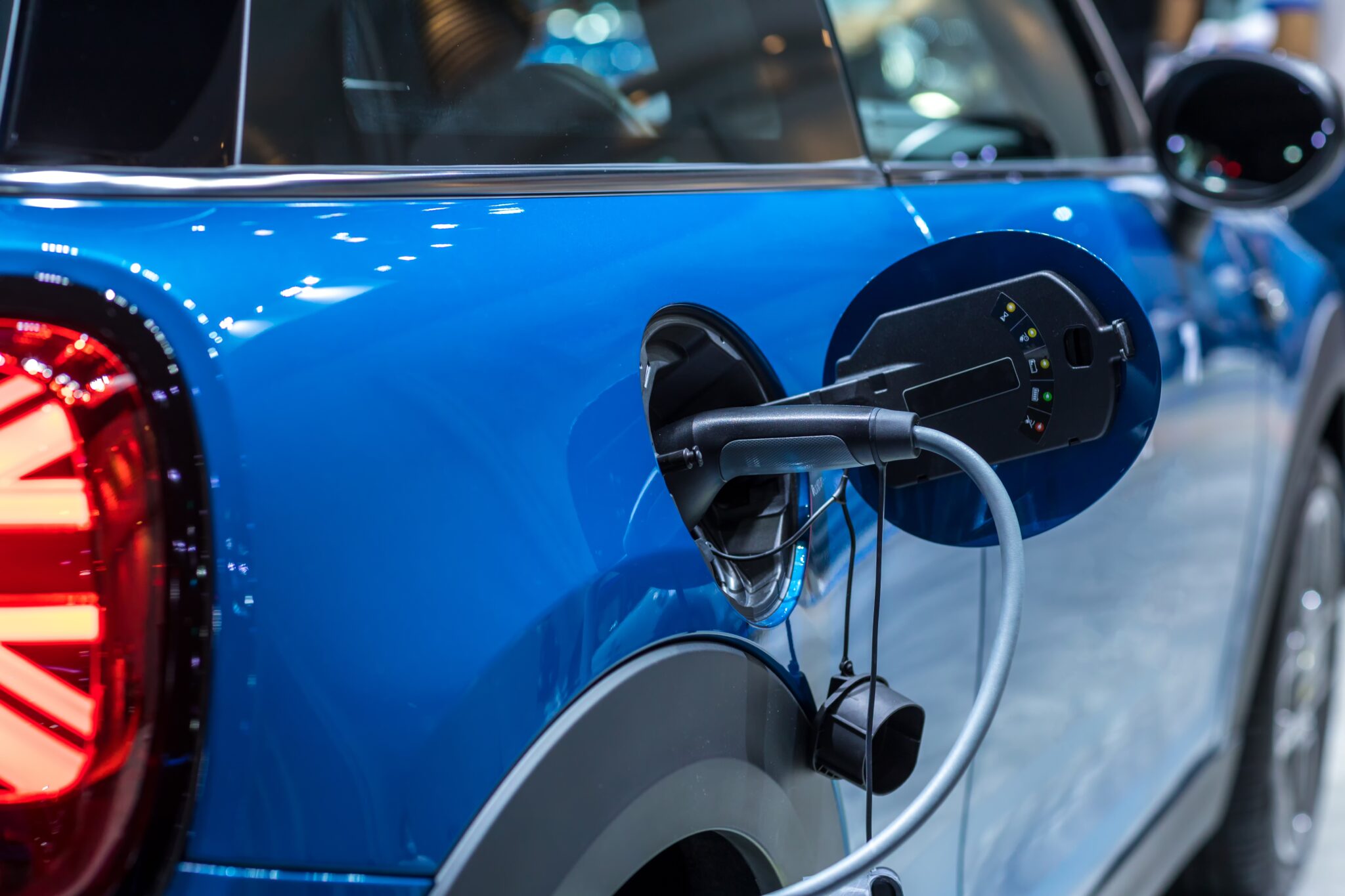
In recent years, the automobile landscape has evolved significantly, particularly in environmentally conscious areas like Ontario and the broader Inland Empire in California. As a forward-thinking car dealer, we recognize the importance of catering to diverse preferences and needs, whether our customers are interested in traditional Internal Combustion Engine (ICE) vehicles or the increasingly popular electric vehicles (EVs). Here, we explore the unique advantages of electric vehicles, providing insights for those considering their next car shopping adventure, whether looking for a new car or a used car. 

  1. Environmental Considerations: A Cleaner Option

One of the most lauded benefits of EVs is their environmental friendliness. Electric cars produce zero tailpipe emissions, making them a cleaner option for the environment. This feature is particularly appealing in California, a state that gives many benefits to EV owners. It is worth noting that Internal Combustion Engine vehicles have also made tremendous strides in efficiency and emissions reduction, Hybrids have also made a positive impact on reducing emissions. EV’s however, offer an alternative for those looking to minimize their carbon footprint. 

  1. Long-Term Savings Potential

While the upfront cost of an EV might be higher than some ICE vehicles, electric cars have the potential to offer savings over time. Charging an electric vehicle can be more cost-effective than refueling a gasoline-powered car, especially with fluctuating fuel prices. Additionally, EVs typically require less maintenance than ICE vehicles, as they have fewer moving parts and don’t need oil changes. 

  1. Government Incentives

To encourage EV adoption, various incentives and rebates are available, especially in regions like Ontario and California. These incentives can significantly reduce the overall cost of owning an electric vehicle, making them an attractive option for many buyers. Information on these rebates can be found on resources like the Clean Vehicle Rebate Project. 

Clean Vehicle Rebate Project (CVRP): The CVRP offers rebates for the purchase or lease of new, eligible zero-emissions and plug-in hybrid light-duty vehicles. The rebate amount varies based on the type of vehicle and the applicant’s income level. There are also increased rebates available for lower-income consumers. Check the latest details at CVRP’s official website *Currently paused with potential to return. 

California Clean Fuel Reward: This is a point-of-sale rebate available to anyone who buys or leases a new electric vehicle with a battery capacity greater than 5 kWh. The reward amount varies depending on the battery size of the vehicle. 

Clean Vehicle Assistance Program: Aimed at helping lower-income consumers, this program offers grants and affordable financing to purchase new or used clean vehicles. Learn more here. *note currently paused with potential to return 

HOV Lane Access: California offers High-Occupancy Vehicle (HOV) lane stickers for certain low-emission vehicles, allowing solo drivers of these vehicles to use HOV lanes. 

Utility-Based Incentives: Various utilities in California, such as Southern California Edison (SCE) and Pacific Gas & Electric (PG&E), offer additional rebates for EV buyers and lessees. They also provide incentives for installing home charging equipment. 

Local Incentives: Some local governments and air districts in California offer additional incentives, which can include rebates, reduced vehicle registration fees, and other benefits. 

Federal Tax Credit: While not specific to California, the federal government offers a tax credit for the purchase of a new EV. The amount of the credit varies based on the capacity of the battery used to power the vehicle. Learn more here 


*It’s important to note that these incentives are subject to change and may have specific eligibility requirements. Additionally, some programs might be limited in funding and availability. Potential EV buyers should check the most current information and ensure they understand the terms and conditions of each program.* 


  1. A Quiet and Smooth Ride

EVs are known for their quiet operation and smooth acceleration, offering a different driving experience compared to traditional ICE vehicles. The lack of an exhaust system and the nature of electric motors provide a serene driving atmosphere, which can be particularly enjoyable on the open roads of the Inland Empire. 

  1. Performance Benefits

Many electric vehicles offer impressive acceleration thanks to the instant torque provided by electric motors. This feature can make EVs not only efficient but also exciting to drive. 

Your Next Vehicle: ICE or Electric? 

In the Inland Empire, and particularly in areas like Ontario, the options for both ICE and electric vehicles are extensive and diverse. Ontario Auto Center offers a wide range of choices to cater to all preferences. Whether you’re drawn to the traditional performance and familiarity of ICE vehicles or the environmental and technological appeal of EVs, our selection caters to all tastes and needs. 

In conclusion, while ICE vehicles continue to be a popular and reliable choice for many people, there are advantages and disadvantages to both options. If you want to learn more about electric vehicles and how they could work for you, visit us. No matter your preference, we are here to help guide your decision and have a diverse array of  ICE and EV cars in stock. If you’re considering an electric vehicle or have questions about any car in our inventory, or if you need to schedule servicesOntario Auto Center  is your go-to resource. Explore your options and drive into the future with confidence, whether it’s in a classic ICE vehicle or a modern EV. 

Read More
CATEGORIES »
TAGS »

11-15-23

Understanding Car Types: Hatchback vs. Sedan

Understanding Car Types: Hatchback vs. Sedan 

The hatchback, often celebrated for its compact size and adaptable storage space, presents a practical solution for busy streets and tight parking spaces common in California cities. Sedans, on the other hand, offer the quintessential sleek design, providing comfort and a touch of elegance for those longer commutes across the Inland Empire. 

Hatchback: The Compact and Versatile Choice 

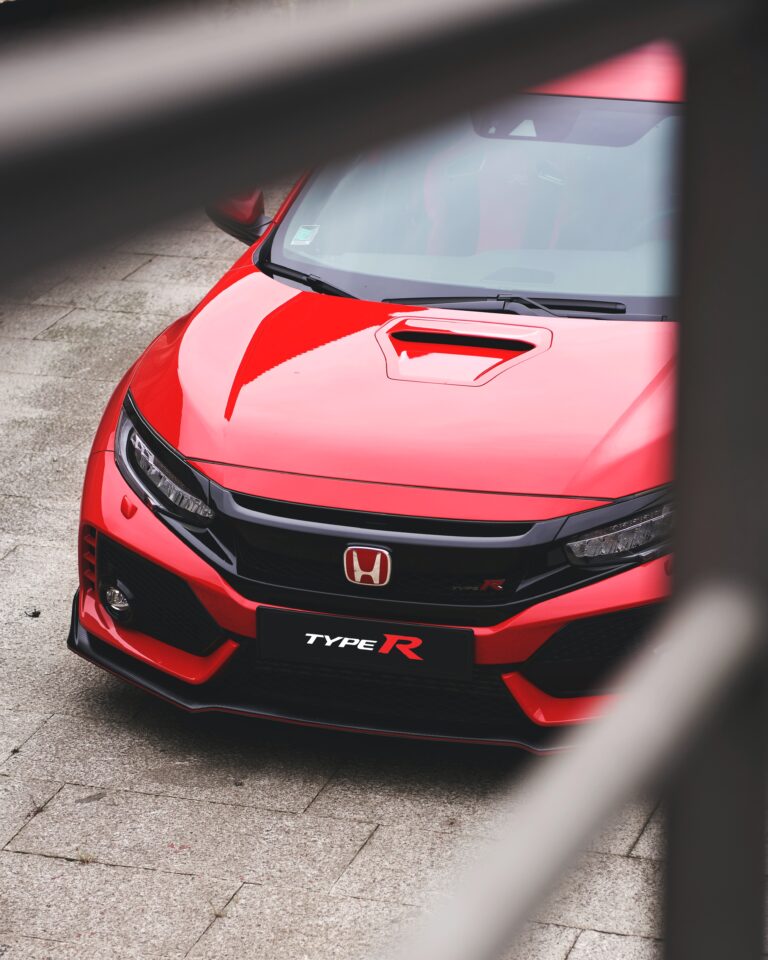
A hatchback is the go-to option for those who value convenience and efficiency. With its characteristic rear door that swings upward, a hatchback offers easy access to cargo space, making it a favorite among Ontario residents who frequently juggle groceries, sports equipment, and the like. Not to mention, hatchbacks are often affordable, which is a significant factor when car shopping in the competitive California market. Check out some hatchback models at OAC like the Subaru Impreza RS, Toyota Corolla Hatchback, Golf GTI, Honda Civic Type R and more.  

Sedan: The Classic Elegance and Comfort 

Sedans have long been associated with comfort and stability, boasting a separate trunk and a spacious interior. Perfect for cruising down the scenic routes of California or for making an impression in the corporate lots of the Inland Empire, sedans stand out for their smooth ride and sophisticated presence. Examples of current sedans include the iconic Honda Civic, BMW 3 Series, Hyundai Elantra, Volkswagen Jetta, Dodge Charger, Nissan Altima and more. 

Car Shopping in Ontario: A Wealth of Options at Your Fingertips 

Ontario Auto Center prides itself on offering an array of hatchbacks and sedans from 19 reputable brands. Whether you’re looking for a fuel-efficient hatchback or a luxurious sedan, our extensive new car and used car inventory promises to have something that meets your desires and needs. 

New Car or Used Car: What’s Best for You? 

Deciding between a new car or a used car, is a significant part of the car shopping process. A new car offers the latest features and the peace of mind of a manufacturer warranty, while a used car can be a cost-effective option with a lower depreciation rate—ideal for savvy shoppers in Ontario and the broader California region. 

Fuel Efficiency and Eco-Friendly Choices 

In today’s environmentally conscious world, fuel efficiency is more important than ever. Ontario Auto Center boasts a range of hybrid and electric vehicles that promise both eco-friendliness and lower running costs. From the sleek Nissan LEAF to the robust Ford Mustang Mach-E, there are many options in the electric hatchback. We also have many electric Sedans such as the Toyota Camry Hybrid, all-new BMW i5 and more!  

Service and Satisfaction: After the Purchase 

Our relationship with you doesn’t end with your purchase. Ontario Auto Center is dedicated to ongoing service excellence and customer satisfaction. We invite you to Visit Us to learn more about our award-winning service departments and schedule your next service appointment. 

Conclusion: Your Next Car Awaits in Ontario 

Embark on your car shopping journey with Ontario Auto Center, where a hatchback or sedan that perfectly fits your California lifestyle is waiting for you. Visit us to discover why our customers return time and again for their automotive needs. Your new or used car is here, and we can’t wait to welcome you to the Ontario Auto Center family. 

Read More
CATEGORIES »
TAGS »

11-13-23

What is CarPlay? A Comprehensive Guide  

What is CarPlay? A Comprehensive Guide  

The ever-evolving world of automotive technology is making car shopping an exciting venture. Whether you’re on the hunt for a new car or considering a used car, one feature is consistently coming to the forefront of many drivers’ wish lists: CarPlay. So, what is CarPlay? In this article, we’ll dive deep into understanding this groundbreaking technology and how it’s revolutionizing the driving experience in California and beyond. 

A Brief Introduction to CarPlay 

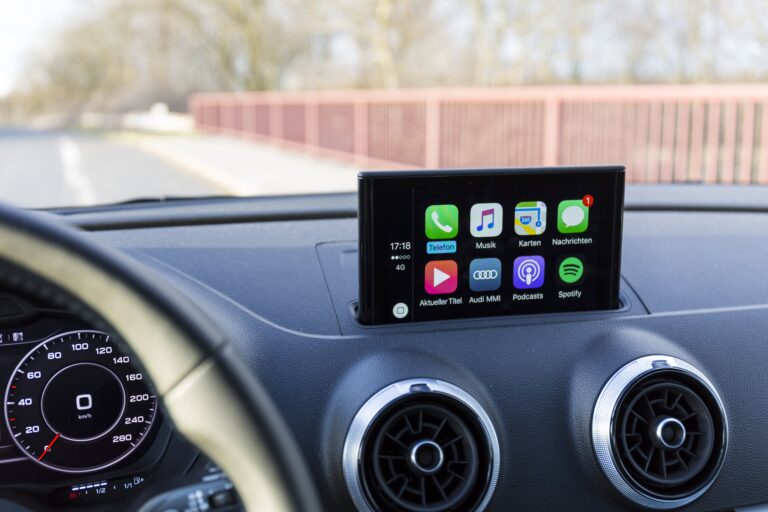
CarPlay, developed by Apple Inc., provides a seamless interface between your iPhone and your car’s infotainment system. Essentially, it mirrors certain applications from your iPhone onto your vehicle’s display. Whether it’s navigation, music, or making calls, CarPlay offers a safer and more intuitive way to use your iPhone while driving. 

For those who frequently traverse the busy streets of Ontario, CarPlay is invaluable. 

Why CarPlay Stands Out in the Modern Car Shopping Experience 

The modern-day driver in the Inland Empire and beyond craves connectivity. We live in an age where our smartphones are integral to our daily lives. So, during the car shopping process, many are looking for vehicles that can integrate seamlessly with their devices. 

When you’re searching for a new car or even a used car, the inclusion of CarPlay can make a significant difference in your decision-making. Here’s why: 

  • Safety: CarPlay is designed with safety in mind. By placing your favorite iPhone features directly on your car’s display, you can access what you need without fumbling with your phone. 
  • Intuitive User Experience: If you’re familiar with iOS, using CarPlay feels second nature. Its interface mirrors that of your iPhone, ensuring you don’t have to learn a new system. 
  • Voice Control with Siri: You can activate Siri through CarPlay, allowing you to send messages, make calls, or select music without taking your eyes off the road. 
  • App Diversity: Apart from Apple’s native apps, CarPlay supports various third-party applications, including Spotify, Waze, and WhatsApp, ensuring drivers in California have a rich user experience. 

Making the Right Choice in the Inland Empire 

If CarPlay sounds like a feature you want in your next vehicle, you’re not alone. More and more residents in Ontario and the broader Inland Empire region are prioritizing this technology in their car shopping journeys. And the best part? Whether you’re seeking a brand new luxury sedan or a reliable used car, there’s a high chance you’ll find a model equipped with CarPlay. Visit us 

But before making a final decision, here are some things to consider: 

  • Compatibility: Ensure that the vehicle model and year is compatible with CarPlay. Most new models post-2016 in the major brands offer this feature, but it’s always good to double-check. Shop newShop Used 
  • Integration: See how seamlessly the CarPlay integrates with the vehicle’s infotainment system. A test drive can give you firsthand experience. 
  • Other Features: While CarPlay is fantastic, don’t let it be the only feature guiding your purchase decision. Consider other vital elements such as fuel efficiency, safety features, and overall performance. 

If you need expert advice or assistance as you navigate the world of CarPlay and car shopping in Ontario, California, don’t hesitate to visit us! 

Conclusion 

Understanding the benefits and functionalities of CarPlay is vital in today’s car shopping scenario. It’s more than just a feature; it’s a tool that can transform your driving experience. Whether you’re considering a brand new vehicle or a trustworthy used car, keep CarPlay on your radar. And as always, make informed decisions by consulting with experts and trying out the system for yourself. Safe driving! 

  • For further insights on automotive trends or to kickstart your car shopping journey, visit our blog or explore our extensive inventory of new and used vehicles.
Read More
CATEGORIES »
TAGS »

11-09-23

History of the Civic Type R: A Hot Hatch Legend 

History of the Civic Type R: A Hot Hatch Legend 

The Civic Type R has carved its name into the hearts of car enthusiasts not just in Ontario, California, or the Inland Empire but across the globe. Its journey from a JDM cult icon to a global powerhouse reflects a relentless pursuit of performance that resonates with the thrill of car shopping for a new or used hot hatch. 

The Beginnings: EK9 Era (1997-2000) 

Our journey begins in 1997 with the EK9, the first Civic to don the ‘Type R’ badge, a model that set the stage for what would become a legendary lineage. The EK9, exclusive to the Japanese market, was a hot hatch that boasted a hand-ported 1.6-litre DOHC VTEC engine, a lightweight body, and a close-ratio 5-speed manual gearbox. This naturally aspirated engine screamed to life with one of the highest power outputs per liter at the time, delivering a raw, unadulterated driving experience 

The Third Generation: FD2 and FN2 (2007-2011) 

Fast forward a decade, and the Civic Type R evolved into the FD2 and FN2 models. The FD2, sold only in Japan, was a 222 hp sedan that featured a host of performance upgrades, including Brembo brakes and a close-ratio 6-speed manual transmission. The FN2 catered to the European market, offering a 198 hp engine and a chassis tuned for handling prowess. Each variant had its unique offerings, with the FD2 receiving a power bump in the Mugen RR version and the FN2 introducing the stripped-down Race edition. 

Turbo Era: FK2 and FK8 (2015-2021) 

The introduction of the FK2 in 2015 marked a significant milestone – the first-ever turbocharged Civic Type R. With 306 hp under the hood, it set a precedent for performance, further refined with the FK8 in 2017. The FK8’s arrival in the U.S. was a watershed moment, bringing with it a turbocharged 2.0-liter engine and sophisticated aerodynamics, not to mention a lap record at the Nürburgring for front-wheel drive cars. This model underwent a refresh in 2020, enhancing its already razor-sharp handling and safety features, and culminated in the release of the Limited Edition in 2021, which became a collector’s item almost immediately. 

The Latest Evolution: FL5 (2023) 

Today, the all-new FL5 stands as the most powerful Civic Type R ever made. It is a culmination of its predecessors’ strengths, bringing forth a turbocharged 2.0-liter engine with 315 hp and a suite of technological advancements. The FL5’s sleek design and advanced aerodynamics are not just for show – they significantly improve high-speed stability. Inside, the driver is greeted by Type R’s iconic red seats, a digital instrument display, and a plethora of cutting-edge safety and assistive technologies. This model continues to push the boundaries, setting a new track record at the Suzuka Circuit, ensuring its legacy as the best-performing Civic Type R to date. 

Embracing the Civic Type R Legacy  

The Civic Type R’s journey is a testament to Honda’s commitment to engineering excellence. For enthusiasts in Ontario and the Inland Empire, this lineage offers more than just a car – it’s a piece of automotive history. Whether you’re car shopping for a new FL5 or a classic EK9, each Civic Type R represents a chapter of a storied past. 

When considering a Civic Type R, whether it’s the turbocharged prowess of the FK8 or the refined FL5, shoppers can expect a vehicle that embodies the spirit of a manual gearbox – a nod to the driving purists. The Civic Type R is not just a machine; it’s a lifestyle statement, a symbol of performance that’s as much at home on the streets of Ontario as it is on the racetrack. 

For those looking to experience this hot hatch legend, Visit us! And if you’re contemplating between a new or used car, let the Civic Type R’s history guide your decision.  

Read More
CATEGORIES »
TAGS »

11-08-23

What is a Hatchback?

What is a Hatchback? – The Ultimate Guide to Car Shopping  

Whether you’re on the streets of Ontario or cruising through the sunlit roads of the Inland Empire in California, the term “hatchback” will likely pop up during your new car or used car search. So, what exactly is a hatchback? Let’s dive deep into the world of hatchbacks! 

What is a hatchback car? 

A hatchback is a car with a rear door that swings upward to provide access to a cargo area. Unlike the trunk of a sedan, a hatchback car does not have a separate trunk but extends the passenger space to include the cargo area. The term ‘hatchback’ stems from the hinging hatch or door at the back of the vehicle which provides an integrated cargo space. What differentiates hatchbacks from other car types is the door configuration and the integration of the cargo and passenger space. The rear door replaces what would typically be a trunk in other cars. 

Classification and Types of Hatchbacks 

Classification: 3-door vs. 5-door hatchbacks: 

In car shopping jargon, doors also count the trunk or hatch. Therefore, a 3-door hatchback has two side doors and one rear hatch, whereas a 5-door has four side doors and a rear hatch. Popular hatchbacks include models like the Volkswagen Golf, Honda Civic Hatchback, and Kia EV6. When browsing through cars at Ontario Auto Center, you’ll find both new and used car options in hatchback styles. The term “hot hatch” refers to high-performance hatchbacks. They’re sporty, zippy, and often come packed with powerful engines. 


Comparing Hatchbacks with Other Car Types 

How is a hatchback different from a sedan? 

The main difference lies in the rear. A sedan has a separate trunk, while a hatchback has an integrated cargo area accessed by a hatch. 

Sedan vs. Hatchback: What’s the difference? 

Beyond the trunk design, sedans might offer more rear-seat space, while hatchbacks provide more versatile cargo room. 

What is the difference between a sedan, a hatchback, and a coupe? 

A sedan typically has four doors and a separate trunk. A coupe has two doors and either a trunk or hatch, and the hatchback, as we’ve explored, has the integrated cargo space. 

Hatchbacks vs. SUVs and Crossovers 

Isn’t an SUV or Cross over a hatchback then? 

While SUVs have a rear door, their larger size and higher ground clearance differentiate them from traditional hatchbacks. Crossovers are often based on car platforms, and while they may share similarities with hatchbacks in design, their larger size, and often more robust features set them apart. 

Advantages and Drawbacks of Hatchbacks 

Advantages of a hatchback 

Hatchbacks offer versatile cargo space, are often more affordable, and provide a zippy driving experience. They’re especially handy in urban areas where tight parking can be an issue. Another advantage is that the rear hatch allows for easy loading and unloading, especially of larger items. Despite their compact size, hatchbacks can offer surprising amounts of cargo space, especially with the rear seats folded down. 

Are there any hatchback drawbacks? 

For some, the smaller size might mean less rear-seat room, and they might not be the go-to choice.  

 History and Origin of the Hatchback 

The hatchback body style can be traced back to the 1930s. However, it surged in popularity in the 1970s and 1980s, especially in Europe, as a response to the demand for more compact and fuel-efficient vehicles. 

Exploring Hatchbacks Further 

If you’re keen on exploring hatchbacks further, whether seeking a new car or a used car, Visit us, to dive deep into options available in Ontario and the Inland Empire. If you need to schedule services or require more advice visit us. 

Read More
CATEGORIES »
TAGS »

11-06-23

Dually vs. Standard Pickup Truck: Which is Right for You?

Dually vs. Standard Pickup Truck: Which is Right for You? 

Truck shopping in the sprawling expanse of the Inland Empire, especially the bustling heart of Ontario, California, brings a set of challenges that few other pursuits can match. You’re not just choosing a new or used truck, but an extension of your lifestyle.

For many, the decision often boils down to one quandary: Dually vs. Standard Pickup Truck. Which one should you go for? 

What is a Dually Truck? 

For the uninitiated in the realm of car shopping, a dually truck (often just “dually”) is a pickup truck with a set of dual rear wheels on each side. Essentially, it’s a truck that has six wheels instead of the standard four. At a glance, the dually’s imposing stance makes a bold statement. But this design isn’t just about looks. 

Advantages of Dually Trucks 

  • Towing and Payload Capacity: Dually trucks are workhorses. With those extra wheels, they can handle heavier loads. Whether you’re towing a large boat, trailer, or carrying hefty payloads, a dually has the muscle and stability. 
  • Stability: The additional rear wheels provide increased stability, which is especially important when towing. You’ll feel the difference when cruising down the busy highways of the Inland Empire. 
  • Traction: More wheels equate to better traction. This is crucial, especially in slippery conditions or rugged terrains. 

However, as with anything, there are trade-offs. 

Disadvantages of Dually Trucks 

  • Fuel Economy: The increased weight and size of a dually mean that these trucks typically consume more fuel than their standard counterparts. 
  • Maneuverability: Navigating tight spaces or crowded Ontario parking lots can be more challenging. 
  • Price and Maintenance: Duallies usually come with a higher price tag, and the additional wheels mean potential extra costs in terms of maintenance and tire replacements. 

Links to Dual Wheel Inventory at Ontario Auto Center: RamFord  

Standard Pickup Trucks 

Standard pickup trucks are what most people visualize when they think of “trucks.” With two wheels on each axle, they’re nimbler than their dually counterparts. 

Advantages of Standard Pickup Trucks 

  • Fuel Efficiency: Generally, standard trucks offer better fuel economy. This can be a significant advantage for those who are mindful of their fuel consumption, especially during regular commutes in California. 
  • Versatility: The blend of power and size makes standard trucks versatile, suitable for both daily drives and moderate towing needs. 
  • Price: Generally speaking, standard pickups have a more approachable initial price point. This can make car shopping, whether for a new car or a used car, more accessible to many in the Ontario region. 

Disadvantages of Standard Pickup Trucks 

  • Limited Towing and Payload Capacity: While they can handle a fair amount of weight, standard trucks don’t have the same brute strength as a dually. 
  • Reduced Traction with Heavy Loads: With only one set of rear wheels, they might struggle a bit with traction when carrying or towing significant loads. 


View our inventory of Standard Pickup Trucks Here: RamFordToyotaNissanJeep , and Hyundai Santa Cruz 

Dually vs. Standard Pickup Truck: The Verdict 

Your choice between a dually and a standard pickup truck largely hinges on your specific needs. 

  • If you’re frequently towing heavy trailers or have substantial payload requirements, the dually is a formidable ally. Imagine making those trips across the Inland Empire, from Ontario to Riverside, with a heavy load in tow; the dually’s stability and power shine in such scenarios. 
  • On the other hand, if you’re seeking a versatile vehicle for a blend of daily drives, occasional hauls, and weekend adventures, the standard pickup might be your ideal match. Car shopping in Ontario and surrounding areas will present numerous options in this category to suit various budgets and preferences. 

 Regardless of your choice, remember that both dually and standard trucks offer a plethora of features, trim levels, and capabilities. Ensure you’re consulting with a trusted dealership, exploring all available options, and making an informed decision. 

For a comprehensive range of both dually and standard pickup trucks, and to dive deeper Visit us at Ontario Auto Center.  

Read More
CATEGORIES »
TAGS »

10-30-23

Why Buy a Certified Pre-Owned Vehicle: Making the Smart Choice for Your Next Car

Why Buy a Certified Pre-Owned Vehicle: Making the Smart Choice for Your Next Car 

Car shopping can be both exhilarating and daunting. Every potential car buyer finds themselves at a crossroads: should they splurge on a shiny new car or should they go for a used car and save some bucks? What if we told you there’s a third, often-overlooked option? Enter the world of certified pre-owned (CPO) vehicles – the perfect middle-ground for those torn between a new and used car. 

The Certified Pre-Owned Advantage 

A certified pre-owned vehicle isn’t just any car; it’s a car that promises both quality and value. Let’s delve into what makes a CPO vehicle stand out: 

Assured Quality:

  • CPO vehicles are subjected to rigorous inspections and reconditioning processes. They must meet stringent standards set either by the manufacturer or the dealership. Thus, when you opt for a CPO, you’re not just getting a used car; you’re securing a vehicle that’s been meticulously inspected for quality and reliability. 

Extended Warranties:

  • One of the standout benefits of CPO vehicles is the extended warranty. While they might come at a slightly higher price point than regular used cars, the peace of mind that comes with an extended warranty can be invaluable. This warranty often goes beyond the original factory coverage, ensuring your vehicle is protected for longer. 

Cost Savings:

  • Even though a CPO vehicle might be pricier than a standard used car, it’s substantially more affordable than a brand-new model. When you factor in the extended warranties, the top-notch condition of the car, and the added services that often accompany CPO programs, you’re certainly getting more bang for your buck. 

Latest Features:

  • Given that many CPO vehicles are relatively newer models, they often come equipped with the latest safety and technology features. This means you can enjoy some of the latest advancements without shelling out for a brand-new car. 

Navigating Your CPO Car Shopping 

Once you’re convinced about the virtues of a certified pre-owned vehicle, here’s how to proceed:  

  • Research: Delve deep into the offerings of various dealerships. Explore our CPO offerings. Browse their CPO vehicles, understand the diverse features, and compare prices to find the best deal. 
  • Test Drive: The real feel of a car comes from driving it. Schedule a test drive to gauge how the vehicle performs on the road. It’s one thing for a car to look good, but it should also feel right when you’re behind the wheel. 
  • Seek Expert Advice: Dealership professionals have vast knowledge about CPO vehicles. They can guide you, provide insights into different models, and even help you navigate financing options. 
  • Post-Purchase Care: After securing your CPO vehicle, remember to prioritize its upkeep. Regular maintenance ensures your vehicle remains in peak condition. Schedule service 

If you are interested in learning more about Certified pre-owned vehicles and the value that they bring check out these tips JD Power: Top Tips   

In conclusion, if you’re in the market for a vehicle here in Ontario, California or elsewhere in the Inland Empire, and want the brilliance of a new car and the economic sense of a used one, a certified pre-owned vehicle should be at the top of your list. It’s not just a purchase; it’s a smart investment. And as the realm of CPO vehicles continues to grow, it’s evident that more shoppers are recognizing the unmatched value they bring. 

Read More
CATEGORIES »
TAGS »

10-25-23

The Evolution of Hot Hatches: From Humble Beginnings to the Hyundai IONIQ5 N

The Evolution of Hot Hatches: From Humble Beginnings to the Hyundai IONIQ5 N 

Hatchbacks, with their compact dimensions and versatile interiors, have always been a favorite among drivers across the world. But in the realm of performance-driven enthusiasts, there’s a niche category that’s truly won their hearts – the “hot hatch.” From its inception in the 1970s to today’s models that blend electrifying performance with eco-consciousness, the hot hatch has come a long way. Here at Ontario Auto Center, we find the history of hot hatches is especially intriguing, given the rising popularity of these cars in the Golden State. 

A Brief Dive into History 

The term “hot hatch” refers to high-performance versions of everyday hatchbacks. The 1970s witnessed the birth of this unique automotive category with the introduction of the Volkswagen Golf GTI. Lauded for its sporty prowess and everyday usability, the Golf GTI set the benchmark for others to follow. 

Over the years, many automakers threw their hat into the ring, ushering in models that catered to a growing demographic of driving enthusiasts who desired the practicality of a hatchback coupled with sportscar-like performance. 

Hot Hatches of Today 

Flash forward to the present day, and the scene is more vibrant than ever. Ontario, with its rich car culture, has seen a surge in demand for these speedy hatchbacks. For those in the Inland Empire region embarking on the car shopping adventure, whether for a new car or a used car, here’s a quick rundown of today’s top contenders: 

  • Toyota GR Corolla: This is Toyota’s answer to the hot hatch category. With aggressive styling and commendable performance credentials, it’s quickly making a name for itself among enthusiasts in California and beyond. 
  • Honda Civic Type R: No list of hot hatches is complete without the mention of the Type R. This Honda powerhouse is known for its striking looks and racetrack-ready performance. 
  • VW Golf R & GTI: The very lineage that started it all! The Golf R, with its all-wheel-drive configuration and turbocharged engine, is for those who want the ultimate hot hatch experience. The GTI, however, continues to offer a balanced blend of performance and practicality. 
  • Hyundai IONIQ5 N: And now, the latest entrant into the fray – the Hyundai IONIQ5 N. As the world increasingly leans towards electrification, Hyundai, with this model, showcases that performance and eco-friendliness can indeed go hand in hand. Touted to be a game-changer, it’s set to redefine what hot hatches stand for in this new era. 

The Hot Hatch Culture in Ontario and the Inland Empire 

California, known for its car culture and diverse range of automotive preferences, has embraced hot hatches wholeheartedly. Given Ontario’s urban landscape interlaced with sprawling highways, it offers the perfect playground for these performance machines. 

For those in Ontario or the broader Inland Empire region looking to dive into the hot hatch experience, visit us as can provide a firsthand feel of these incredible machines. 

The Road Ahead 

As the automotive world undergoes a paradigm shift with electrification at its core, the future of hot hatches seems more exhilarating than ever. While the charm of traditional combustion engines can’t be denied, the promise of electric performance, as showcased by models like the Hyundai IONIQ5 N, hints at a future where speed, sustainability, and style coalesce seamlessly. 

So, whether you’re an enthusiast looking for your next thrill on wheels or someone starting their car shopping journey, the world of hot hatches promises a ride that’s nothing short of electrifying. If you’re in the Ontario or Inland Empire region and want to explore these hatchback marvels, Ontario Auto Center is a great place to start. 

Read More
CATEGORIES »
TAGS »

10-23-23

How Long Can You Drive on a Spare Tire?

How Long Can You Drive on a Spare Tire? 

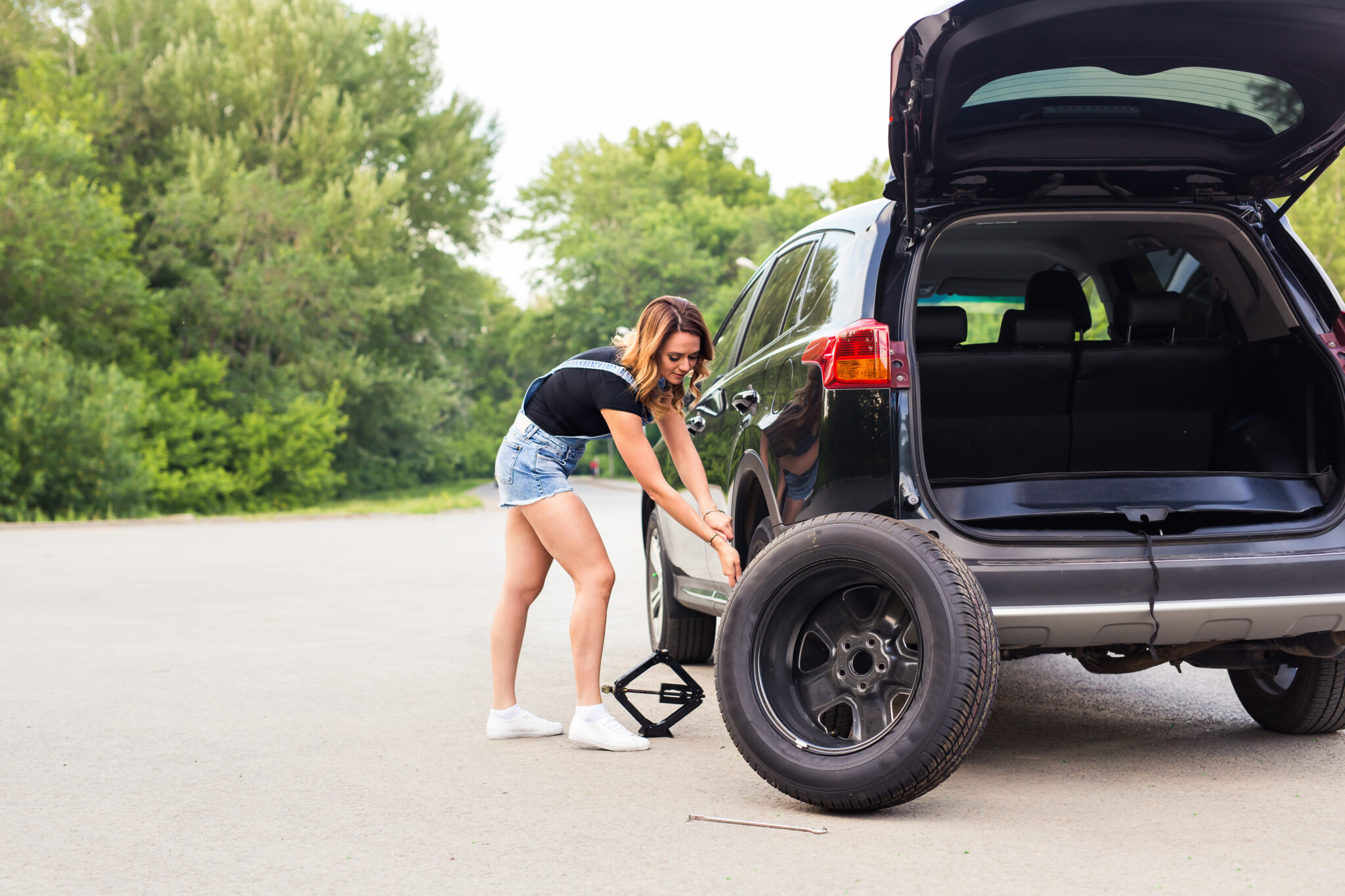
Picture this: You’re cruising down the highway, the day is perfect, with the wind in your hair and your favorite tunes playing in the background. Suddenly, you feel a thud and your car begins to wobble. You pull over, and there it is—a flat tire. Fortunately, you’re prepared with a spare. But here’s the real question: how long can you actually drive on that spare tire? 

For anyone driving a car, this is essential knowledge to ensure your safety and the longevity of your vehicle. 

Understanding Your Spare Tire 

There are two main types of spare tires: the compact temporary (or “donut”) and the full-size spare. The kind you have will significantly determine how far and fast you can drive. 

  • Compact Temporary Spare (Donut): This is the most common type found in many vehicles. It’s smaller than your regular tires and is designed purely for short-term use. Ideally, you should drive a maximum of 50 miles at a maximum speed of 50 mph on a donut. Pushing it further than this can result in damage to the car or, worse, a blowout. But don’t take our word for it, we recommend referring to your vehicle’s manual, or better yet, check with your dealership’s service department – experts are here to help. 
  • Full-Size Spare: This is essentially a fifth regular tire for your car. If you have one of these, you can theoretically drive on it if you would on your regular tire. However, it’s still a good idea to replace it with a regular tire as soon as convenient. A full-size spare might not be an exact match to your other tires, which can lead to uneven wear and tear. 

The Risks of Driving on a Spare 

Regardless of whether you’re driving your brand-new car out from a showroom or taking your trusty used car for a spin in the Inland Empire, driving on a spare tire for an extended period can pose certain risks: 

  • Uneven wear: Your spare, especially if it’s a donut, isn’t designed to handle the same load as your regular tires. This can cause uneven wear and put added strain on the other tires. 
  • Limited capability: Donuts don’t have the same grip or handling capabilities as regular tires. This can be risky, especially in wet or slippery conditions. 
  • Potential for a blowout: Pushing a spare tire beyond its intended use can result in a blowout, which can be dangerous at high speeds. 

What Should You Do After Installing Your Spare? 

First and foremost, take a deep breath. Recognizing the spare tire is a temporary solution. Here’s a suggested plan of action: 

  • Limit your driving: Only drive what’s necessary and avoid highways if possible. 
  • Check tire pressure: Ensure that your spare is inflated to the recommended PSI. Many drivers forget that spare tires can lose air over time, even if they’re not in use. Guide to Tire Pressure 
  • Head to a service center: Whether you’re around the Ontario Auto Center or somewhere else in the Inland Empire, look for a reputable service center to check your tire. They can advise if it can be repaired or if you need a replacement. Schedule a service here. 
  • Consider car shopping: If your tires are showing consistent wear or you frequently face flat tires, it might be a sign that your vehicle is nearing its end. It’s time to consider car shopping, be it for a new car or a quality used car. The Ontario Auto Center, for instance, offers a range of vehicles to suit various needs and budgets. 

Conclusion 

A flat tire can be a minor hiccup in your journey, but driving extensively on a spare tire isn’t advisable. Ensure you have the right knowledge, stay safe, and if you’re ever in the mood for car shopping, remember there’s a plethora of options awaiting you in Ontario, be it for a new car or a dependable used one. Visit Us 

For more information on vehicle maintenance, schedule a service 

Read More
CATEGORIES »
TAGS »

10-18-23

How to Remove Scratches on Your Car: A Guide for Ontario’s Inland Empire  

How to Remove Scratches on Your Car: A Guide for Ontario’s Inland Empire  

Whether you’ve recently invested in a new car or have taken pride in maintaining a used car, the joy of car ownership can quickly be dulled by the appearance of an unsightly scratch on your prized possession. Fear not, for we bring you a comprehensive guide on how to remove those pesky scratches and keep your car looking as pristine as the day you got it. 

  1. Identify the Depth of the Scratch

Before diving into solutions, determine how deep the scratch is: 

  • Clear Coat Scratch: This is a surface-level scratch, often caused by brushes against bushes or incorrect cleaning techniques. 
  • Paint Scratch: This goes beyond the clear coat and affects the paint. The color of your car might appear distorted at the scratched area. 
  • Deep Paint or Primer Scratch: If the scratch reveals a dull, matte underlayer or even reaches down to the metal, it’s quite deep. 
  1. Wash Your Car Thoroughly

Always start with a clean slate. Before attempting any scratch-removal methods, give your car a thorough wash. This ensures that no dirt or debris interferes with the repair process.  

  1. For Clear Coat Scratches: Use Toothpaste or Scratch Removal Agents

It might sound surprising, but ordinary toothpaste can act as a mild abrasive, perfect for tackling clear coat scratches. Here’s how: 

  • Dab a soft cloth with a small amount of toothpaste. 
  • Gently rub it over the scratch in a circular motion until you see the scratch diminishing. 
  • Wipe away the residue and apply a car wax to seal and protect the area. 

Alternatively, there are numerous scratch removal products available in the market tailored specifically for clear coat scratches. Many of these can be found in local Inland Empire automotive stores or online retailers. 

  1. For Paint Scratches: Use a Touch-Up Paint Kit

For those deeper scratches affecting the paint: 

  • Purchase a touch-up paint kit that matches your car’s color. Your vehicle identification number (VIN) will help in getting the exact shade. 
  • Carefully apply the paint to the scratched area using the provided applicator or a small brush. 
  • Once dry, sand the area gently to make it even with the car’s surface. 
  • Finish with a clear coat and wax for shine and protection. 
  1. For Deep Paint or Primer Scratches: Seek Professional Help

If the scratch exposes the primer or metal underneath, it’s best to seek professional assistance. The Inland Empire, including Ontario, houses a plethora of expert car service centers. These professionals have the tools and expertise to ensure the scratch is addressed properly, preventing any potential rust or long-term damage.  Schedule an appointment with our trusted service providers. 

  1. Prevention is Better than Cure

To reduce the likelihood of scratches: 

  • Park Smartly: Avoid parking next to cars that look like they might swing open their doors without care, or in tight spaces where brushes against your vehicle are more likely. 
  • Regular Maintenance: Regularly waxing your car can offer a protective layer against potential scratches. 


If you’re considering trading in your vehicle for a new car or a well-maintained used car, Ontario, in the heart of California’s Inland Empire, offers a range of options to suit every taste and budget. Visit us, to explore the latest car shopping deals in the region. 

Read More
CATEGORIES »
TAGS »

10-16-23

How Often Should You Replace Your Car Air-Filter?

How Often Should You Replace Your Car Air-Filter? 

The health of your vehicle plays a vital role in ensuring your ride remains smooth year-round. And speaking of vehicle health, have you ever wondered how often you should replace your car air-filter? 

While Ontario has its own service center that can help you out, understanding basic maintenance can not only improve the longevity of your car but also offer a better driving experience. So, let’s dive deep into the world of car air-filters and get you all geared up! 

Why is Changing Your Car Air-Filter Essential? 

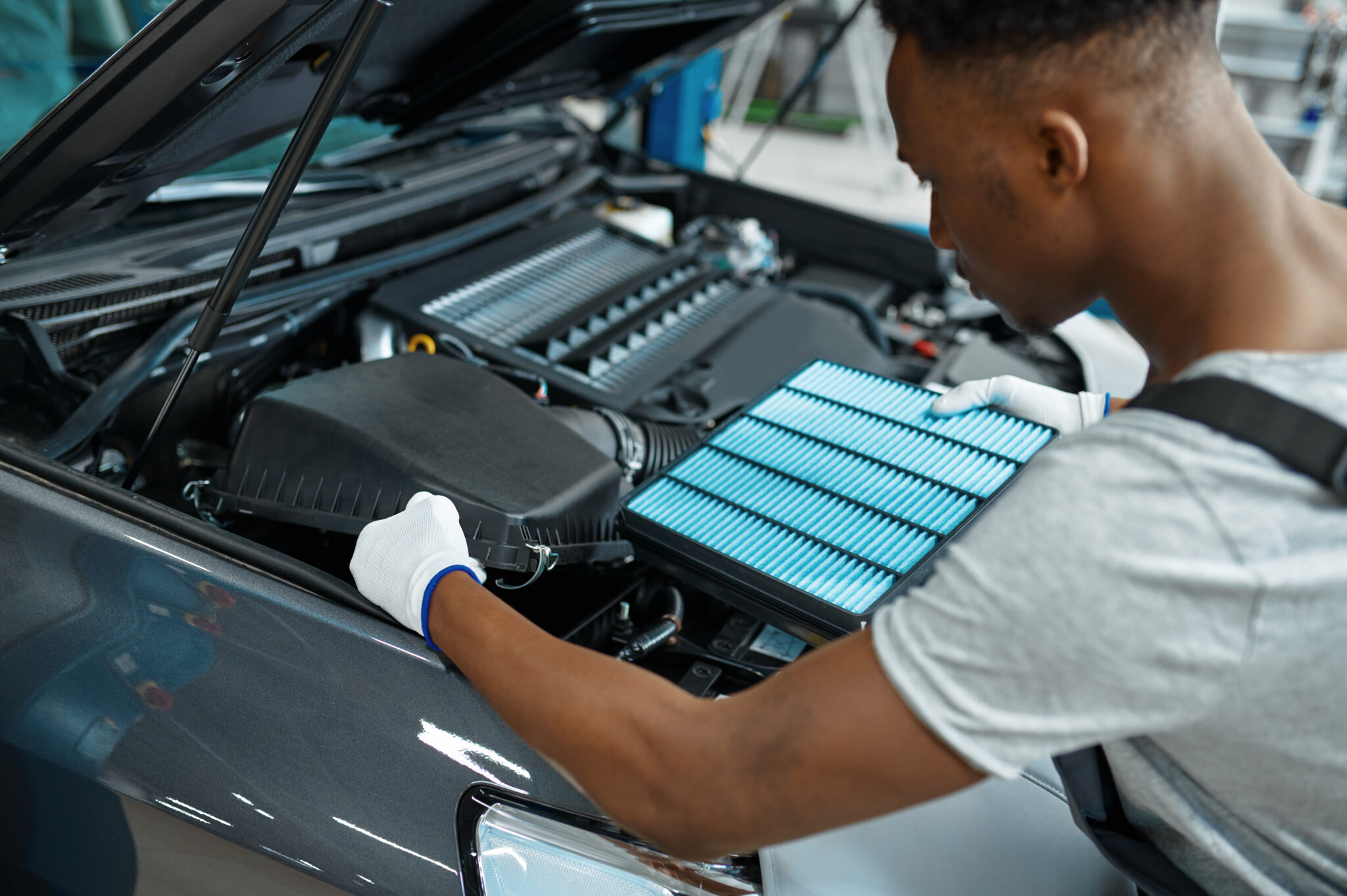
Your car’s air filter is like the lungs of your vehicle. It keeps pollutants, dust, and debris from entering the engine, ensuring that only clean air is used for combustion. Over time, these filters can get clogged, affecting the car’s efficiency and potentially causing long-term damage. 

A clean air filter: 

  • Enhances Fuel Efficiency: A blocked filter can cause the engine to work harder, thereby consuming more fuel. 
  • Ensures Better Acceleration: Research from J.D Power has found that cars with clogged filters can experience sluggish acceleration. 
  • Prolongs Engine Life: Clean air ensures minimal contaminants enter the engine, reducing wear and tear. 

So, How Often Should You Change It? 

Most manufacturers recommend changing the air filter every 12,000 to 15,000 miles. However, if you frequently drive in dusty conditions or heavy traffic areas like many parts of California, consider checking it sooner. Given the specific conditions in Ontario and the greater Inland Empire region, a good rule of thumb is to inspect your air filter at least once a year. If it appears dirty, it’s time for a replacement. 

A mix of city driving and the occasional trip through dusty roads can quickly clog up your air filter. If you’ve recently been car shopping and bought a new car or a used car, it’s a good idea to check the filter’s status even if the vehicle seems in pristine condition. 

Tips for Changing Your Air Filter: 

  • DIY or Professional Help: While many car enthusiasts prefer changing their air filters, if you’re not comfortable, it’s always advisable to seek professional assistance. If you’re in Ontario or anywhere in the Inland Empire, numerous service stations can assist with this. 
  • Opt for Quality: While there might be cheaper filters available, always choose quality. A high-grade filter will not only last longer but will also ensure better protection for your engine. 
  • Regular Checks: Even if you’re not hitting the 15,000-mile mark, make it a habit to check your air filter periodically, especially after long drives or trips through dust-prone areas. 

In Conclusion 

If you’re considering getting a new car or a used car, always check the air filter’s condition as a part of your pre-purchase inspection. And if you’re ever in doubt, remember the golden rule: it’s better to replace it sooner than later. 

Planning to explore more about vehicle maintenance or looking for your next dream ride in Ontario? Visit us! to encourage shopping for the latest models and best deals. Or, if you think it’s time to give your vehicle the much-needed service, to schedule services with our expert technicians. 

Read More
CATEGORIES »
TAGS »

10-13-23

Understanding Rear Wheel Drive

Understanding Rear Wheel Drive  

Are you in the market for a new or used car in Ontario? Whether you’re just browsing or diving deep into your car shopping experience, understanding the drivetrain of potential vehicles is essential. One popular drivetrain type you might encounter is rear-wheel drive or RWD. This article will guide you through the basics of RWD and its significance.  

What is Rear Wheel Drive (RWD)? 

Rear-wheel drive means that the vehicle’s power is directed to its rear wheels. The engine sends power to the transmission, which then sends it to the vehicle’s rear differential. From there, the power gets split between the two rear wheels. This contrasts with other drivetrains such as Front Wheel Drive (FWD) or All Wheel Drive (AWD).  

Benefits of RWD 

Better Weight Distribution: As the engine powers the rear wheels, it allows for more even weight distribution between the front and rear. This balance often leads to better handling, especially in high-performance situations. 

Performance & Traction: RWD cars tend to handle power surges better than their FWD counterparts. This is particularly noticeable during acceleration. 

Durability: With the engine’s power going to the rear, there’s less strain on the front wheels. Hence, RWD vehicles often have longer lifespans for their transmission and tires. 

Is RWD Suitable for Ontario’s Conditions? 

While RWD is excellent for dry conditions, one must be cautious during the wet season. RWD cars can sometimes be trickier to handle on wet or icy roads. However, with the appropriate tires and careful driving, they can still be a solid choice for those in Ontario and its surrounding regions.  

RWD in Car Shopping: New Car vs. Used Car 

When car shopping in Ontario or any other part of the Inland Empire, you’ll find RWD in both new and used cars. High-performance vehicles, luxury sedans, and many sports cars typically feature RWD. If you’re looking for a new car with that extra zip in its performance, many RWD options are available. Explore options here 

For those on a budget or looking for a vehicle with a bit of history, the used car market is flush with RWD options. It’s always good practice to check the car’s history, its maintenance record, and any potential issues associated with RWD for that particular model. Explore used RWD options.  

Making an Informed Decision 

When you’re in the midst of your car shopping journey, understanding the nuances of a car’s drivetrain is crucial. RWD offers a unique set of advantages and challenges. If you prioritize performance and handling, a RWD might just be the perfect fit. 

However, for those who often travel in wetter conditions, or prefer a vehicle that’s slightly more forgiving with handling, considering other drivetrain options might be beneficial. 

While Ontario, California, offers a plethora of car shopping options, it’s always best to test drive a vehicle before deciding.  

Remember, no matter the drivetrain, regular maintenance, and service are essential to keep your vehicle running smoothly. If you already own a RWD car or are considering purchasing one, make sure to schedule regular service to ensure its longevity and optimal performance.  

In Conclusion 

RWD is a popular choice for many car enthusiasts and regular consumers alike. Its unique characteristics make it stand out in the vast market of vehicle options. When you’re on your next car shopping adventure, armed with this knowledge, you’ll be better prepared to make an informed decision. 

Want to learn more or explore the diverse range of RWD vehicles? Whether you’re looking for a brand-new car or a reliable used car, visit us at Ontario Auto Center.  

Read More
CATEGORIES »
TAGS »

10-11-23

What are your Options for Paint Protection?

What are your Options for Paint Protection?

In such a beautiful place like California, it might be surprising that paint protection is strongly recommended. Despite not having snow and harsh elements residents must consider the Inland Empire’s climate and conditions when it comes to maintaining their cars. The hot sun can do a number on your car paint, and don’t get us started on rock chips (we’re looking at you Interstate 10 & 15)! After making that trip to the dealership, whether your car shopping for a new car or a used car, you want to ensure your investment remains pristine for as long as possible. One critical aspect to consider? Paint protection. 

For many, a vehicle is more than just a mode of transportation. It’s an expression of personal style, an asset, and sometimes even a beloved member of the family. Protecting your vehicle’s paint isn’t just about aesthetics—it’s also about retaining its value. Good news, there are many options.  

  1. Waxing

The oldest trick in the book, waxing, remains one of the most popular choices for vehicle owners around the world. Not only does it give the car a glossy shine, but it also offers short-term protection against minor scratches, UV rays, and contaminants like bird droppings or sap. 

However, while waxing is cost-effective, it requires frequent re-application, usually every three to four months. The sun-soaked streets of the Inland Empire can cause the wax to wear out more quickly, so frequent maintenance is crucial. 

Read more from JD Power about the benefits of waxing regularly. 

  1. Paint Sealants

A step above waxing, paint sealants are a synthetic option and last considerably longer. Sealants offer similar benefits to wax but can last anywhere from six months to a year. Perfect for those in Ontario who may not have the time for frequent reapplications! 

Learn more about paint sealants here 

  1. Ceramic Coating

Ceramic coatings have grown in popularity in recent years. A liquid polymer, when applied to the car’s exterior, forms a bond with the factory paint. This bond creates a layer of protection that can last anywhere from one to five years. 

The benefits are extensive: 

Protection from UV rays that can fade the car’s color. 

A shield against most contaminants. 

Makes cleaning the car easier, as dirt and grime slide off the smooth surface. 

Provides a deep, glossy finish. 

However, it’s crucial to have this applied professionally to ensure the best results. 

Read more about Ceramic Coating from JD Power. 

  1. Paint Protection Film (PPF)

For those looking for top-tier protection, Paint Protection Film might be the answer. PPF is a thin, clear film applied to the car’s exterior. It’s virtually invisible and protects against scratches, rock chips, and contaminants. Best of all? It’s self-healing. Minor scratches will disappear with a bit of heat from the sun or hot water. 

This high level of protection is perfect for those car shopping in areas like Ontario, where highways and city driving can expose your new car or used car to various potential paint hazards. 

Read more about paint protection film. 

  1. Regular Cleaning

While not a “protection” method in the traditional sense, regular cleaning is an essential aspect of maintaining your vehicle’s paint job. Dirt and grime can act like sandpaper, slowly wearing away the car’s paint over time. By cleaning your vehicle regularly, especially after exposure to harmful elements, you help maintain its shine and health. 

It is possible to wash your car like a pro. 

 Conclusion 

Whether you’re a local of the Inland Empire or just here for a visit, protecting your vehicle in the Ontario climate is essential. From traditional waxing methods to state-of-the-art PPF, the options are plenty. Depending on your budget, needs, and the level of protection you desire, each method has its merits. 

Remember, it’s not just about keeping your vehicle looking shiny and new. Proper paint protection can maintain your car’s value and save you money in the long run. If you’ve recently been car shopping or are considering getting a new car or used car soon, don’t forget to factor in the cost and importance of paint protection. 

Thinking of shopping for a new vehicle or in need of a service in Ontario? Visit us! 

Embrace the open roads of California with confidence, knowing your car’s paint job is well protected. Safe driving and happy cruising! 

Read More
CATEGORIES »
TAGS »

10-09-23

What Are Fog Lights and When Should You Use Them?

What Are Fog Lights and When Should You Use Them? 

Navigating the roads of California can be an experience filled with breathtaking views, smooth highways, and the joy of cruising along with the Pacific winds. Yet, for those of us in the Inland Empire, especially around Ontario, there is an aspect of driving that is often misunderstood – the phenomenon of fog. And as any seasoned driver will tell you, navigating foggy conditions can be tricky. So, whether you’re shopping in Ontario for a new car or looking for a reliable used car, it’s essential to be well-informed about fog lights. 

Understanding Fog Lights 

Contrary to the regular headlights on your vehicle, fog lights are specially designed for foggy conditions. They are positioned lower on the vehicle, usually near the front bumper. This strategic placement ensures that the light illuminates the road directly in front of the vehicle, reducing glare which is common when using regular headlights in fog. 

The difference in beam pattern is also noticeable. While regular headlights cast a wide, tall beam to light up a vast portion of the road and the area to the sides, fog lights produce a sharp, narrow beam. This narrow pattern cuts through the fog and provides better visibility of the road, allowing drivers to see potential hazards earlier. 

Did you know? Fog lights are not just limited to the front of your vehicle. Some vehicles come equipped with rear fog lights, which cast a bright red light to make your vehicle more visible to drivers behind you in thick fog. 

When to Use Fog Lights 

Just because they are called “fog lights” does not mean they should be turned on every time there’s a slight mist in the air. In fact, improper use of fog lights can dazzle other drivers, potentially leading to dangerous situations on the road. 

Here are some scenarios when turning on your fog lights is recommended: 

  • Thick Fog: This one might seem obvious, but it’s worth stating. If the fog is so dense that you cannot see more than a few car lengths ahead, it is time to turn on those fog lights. 
  • Rain & Snow: While their primary purpose is for fog, these lights can also be beneficial during heavy rain or snowfall. Their sharp, low beam can help illuminate the road better than traditional headlights. 
  • Dusty Roads: Just like fog, thick dust can also impede visibility. If you find yourself driving in such conditions, especially in some parts of the Inland Empire, consider using fog lights. 

However, remember to turn off fog lights once conditions improve. Having them on unnecessarily can be a nuisance, or even hazardous to other drivers. 

A Guide to Car Shopping with Fog Lights in Mind 

If you are in Ontario or anywhere in the Inland Empire and considering a new car or a used car, consider the importance of fog lights. Not all vehicles come equipped with these lights, so it is vital to check while exploring your options. 

Moreover, if you already own a vehicle and wish to get fog lights installed or require servicing for the existing ones, many service centers in the region can assist. They not only install but also guide on the proper usage and maintenance. Schedule service 

Read More
CATEGORIES »
TAGS »

10-06-23

How to Replace a Fuel Pump

How to Replace a Fuel Pump:  

With car shopping trends ever evolving in the Inland Empire, there’s an increasing need for residents to understand the basics of car maintenance. Whether you’ve just got a new car at Ontario Auto Center or are rolling with a trusty used car, one of the essential components that ensures your ride is smooth and uninterrupted is the fuel pump. 

The fuel pump is like the heart of your vehicle. It pushes fuel from the tank to the engine. But like all components, wear and tear can take its toll, and you might need to replace it. Wondering how to get started? Here’s a step-by-step guide on how to replace a fuel pump. 

  1. Safety First

Before diving into the technicalities, ensure you’re in a well-ventilated area. If you’re not at one of the renowned service centers in Ontario or elsewhere in the Inland Empire, ensure you are away from open flames. Remember, you are dealing with fuel. 

  1. Relieve the Fuel System Pressure

You can usually do this by removing the fuel pump fuse while the engine is running. Once the engine stops, you’ll know the pressure has been relieved. If in doubt, consulting your vehicle’s manual or reach out to a service professional. 

  1. Drain the Fuel Tank

Before removing the fuel pump, drain any excess fuel from the tank. It’s a crucial step to prevent any unwanted spills or accidents. 

  1. Remove and Replace

After disconnecting the negative battery cable, jack up your car securely. The location of your fuel pump will vary based on your car model, but it’s typically under the car near the fuel tank. After locating it, disconnect the fuel lines, remove the old pump, and then install the new one. If this sounds daunting, don’t fret! There are plenty of excellent service centers in the Inland Empire that can assist. Schedule a service today! 

  1. Test the New Pump

Before sealing everything up, turn on your car to ensure the new pump is working correctly. If you hear a smooth hum and your car starts without a hitch, you’re good to go. 

  1. Reconnect Everything

Once you are satisfied with the installation, reconnect the negative battery cable and refuel your tank. Give the car another test run to ensure everything is in order. 

Important Considerations: 

Always opt for quality: While car shopping, especially for used cars, ensure that all parts, including the fuel pump, are of high quality. 

Know when to call in the pros: If you are ever in doubt it is best to leave the job to professional Ontario and the Inland Empire region offer many reputable service centers. 

Stay informed: Technology and car models evolve. Whether you are considering a new car or want to extend the life of your used car, always stay updated with the latest trends and techniques. 

Don’t forget the filters: When replacing the fuel pump, it’s a good time to check and possibly replace the fuel filter as well. A clean fuel filter ensures your new pump has the best chance at a long life. 

Read More
CATEGORIES »
TAGS »

10-04-23

Curb Weight vs Gross Weight: What’s The Difference?

Curb Weight vs Gross Weight: What’s The Difference? 

For many people, car shopping can sometimes feel like navigating a maze of technical jargon. Whether you’re hunting for a new car or a used car, understanding various terms is vital to make the best decision for your needs. One of the common points of confusion? The difference between curb weight and gross weight. In this guide, we will clarify these terms and highlight why they matter when car shopping. 

Understanding Curb Weight 

Let’s start with the basics: what exactly is curb weight? 

Simply put, the curb weight of a vehicle refers to how much it weighs when it’s parked at the curb, without passengers or cargo, but with essential fluids like oil, coolant, and a full gas tank. Imagine you’ve just purchased a shiny new car from a dealership in the heart of Ontario, California. Before you or your family jump in or you load up your shopping bags, the weight of that car is its curb weight. 

The curb weight is vital because it gives potential buyers an idea of the car’s basic heft without additional load. This can influence factors such as fuel efficiency, handling, and overall performance. If you’re car shopping in the Inland Empire, paying attention to this number can help you pick a vehicle best suited to your driving habits. 

What About Gross Weight? 

On the other hand, gross weight (often referred to as Gross Vehicle Weight or GVW) is the total weight of a vehicle, including its curb weight, passengers, cargo, and any additional equipment. If you’re planning a family trip or regularly haul heavy items for work or play, the GVW becomes an essential consideration. 

For example, if you leave Ontario and frequently drive up the mountains or through various terrains of California, the gross weight can influence how the vehicle handles steep inclines or rough paths. Exceeding the recommended GVW can strain the vehicle’s engine and brakes, which might lead to increased wear and tear. Thus, understanding and respecting this weight limit is crucial for both safety and the longevity of the vehicle. 

Why the Distinction Matters When Car Shopping 

If you’re browsing through the car lots, why should these terms matter to you? 

  • Performance and Handling: A car’s performance, such as acceleration and braking, can change significantly based on its load. Knowing the weights can help you gauge how a vehicle will handle in real-world conditions, especially when fully loaded. 
  • Fuel Efficiency: A heavier vehicle typically consumes more fuel. If you’re environmentally conscious or just looking to save at the pump, understanding the weight can help inform your buying decision. 
  • Safety: Overloading a vehicle beyond its gross weight can compromise its structural integrity and safety features, making it vital to understand these metrics. 
  • Future Needs: Today, you don’t need to haul much, but what about tomorrow? Buying a car is a significant investment, and considering future requirements can ensure you pick a vehicle that grows with your needs. 

Ontario has rapidly become a hotspot for car shopping. Whether you’re looking for a brand-new sedan or a used car with character, the city offers an expansive range to choose from. Understanding terms like curb weight and gross weight can make your shopping experience smoother and more informed.  

And if you’re curious about how various models stand up in terms of weight and other specifications, Visit this an excellent resource. here you can look at different models and see which ones align best with your driving needs. 

Final Thoughts 

As you navigate the world of car shopping in Ontario and the broader California region, arm yourself with knowledge. Understanding the difference between curb weight and gross weight ensures you’re equipped to make informed decisions. Purchasing a car is not just about style and features, but also about performance, safety, and long-term value. 

If you’re ready to dive deeper into your options or have questions about a specific model’s curb weight or gross weight, visit us to start your journey. And if your existing car requires some maintenance or care to ensure it’s running within its best weight range, schedule service today. 

Read More
CATEGORIES »
TAGS »

10-02-23

What’s The Difference Between a Crossover VS. An SUV?

What’s The Difference Between a Crossover VS. An SUV? 

If you’ve been car shopping lately, whether for a new car or a used car, you might’ve come across the term’s “crossover” and “SUV.” These terms often get used interchangeably, but are they the same? Let us delve deep into the differences. 

The Rise of Crossovers and SUV’s 

Before we drive straight into the nitty-gritty, it’s essential to understand why these vehicles have gained such popularity. Their larger sizes offer more passenger and cargo space, and they often come with better safety features. 

SUV (Sport Utility Vehicle) 

Historically, the term SUV (or Sport Utility Vehicle) was reserved for vehicles that had truck-like construction. These vehicles are typically built on a “body-on-frame” platform, which means the body and frame are manufactured separately and then combined. This is the same foundational structure as many pickup trucks. 

Advantages: 

  • Durability: Thanks to their body-on-frame construction, SUVs can handle rough terrains and heavy loads, making them great for off-roading or towing. 
  • Towing Capacity: If you are planning to pull a boat, camper, or any other heavy-duty trailer through California, an SUV might be your best bet. 
  • Space: Typically, SUVs can accommodate more passengers and cargo than crossovers. 

Crossover 

Crossovers, or CUVs (Crossover Utility Vehicles), are newer to the scene. They are built on a unibody construction. Instead of the body and frame being separate, they are one integrated unit. Most modern cars, like sedans and hatchbacks, use this construction. 

Advantages: 

  • Fuel Efficiency: Crossovers tend to be lighter, translating to better fuel economy, especially when cruising around the Inland Empire. 
  • Handling and Ride Comfort: Being built like cars, crossovers often provide a smoother and more car-like driving experience. 
  • Safety: The unibody construction can offer better crash energy absorption, making some crossovers safer in certain collision scenarios. 

Key Differences at a Glance 

  • Foundation: SUVs have a body-on-frame construction (like trucks), while crossovers have a unibody design (like cars). 
  • Performance: SUVs are generally more rugged, suitable for off-roading and towing. Crossovers lean towards a more comfortable city and highway driving experience. 
  • Fuel Efficiency: Crossovers often win in the fuel efficiency department. 
  • Size and Space: While there’s considerable overlap, traditional SUVs can sometimes offer more cargo space and seating. 

Which One is Right for You?  

Now that you are armed with this knowledge, the next time you’re shopping in Ontario or anywhere else, you’ll be better equipped to make an informed decision. 

  • If you’re someone who frequently ventures into rough terrains, or you need a vehicle with substantial towing capacity for those weekend getaways, an SUV might be more your speed. 
  • However, if you prioritize fuel efficiency, comfort, and a car-like driving experience, then a crossover could be your ideal match. 

Whichever route you choose, both crossovers and SUVs offer fantastic advantages tailored to various needs. If you’re interested in exploring a vast selection of both SUVs and crossovers, visit us. 

If you are in California’s Inland Empire and your vehicle needs servicing, don’t hesitate to Schedule a service. 

In conclusion, while the lines between crossovers and SUVs continue to blur, especially with the introduction of compact SUVs and larger crossovers, understanding their core differences can significantly impact your car shopping experience. For more insights on the automotive world and choosing between a SUV and Crossover reference this JD power guide. 

Read More
CATEGORIES »
TAGS »

09-29-23

Can You Buy a Car with a Credit Card?

Can You Buy a Car with a Credit Card? 

When it comes to car shopping, especially in the vibrant Inland Empire region, most potential buyers have a slew of questions. Among the most intriguing: Can you actually buy a new car or used car with a credit card? 

For those residing in Ontario, California – a hub of car enthusiasts and bustling dealerships – the question is particularly relevant. Let us dive into the important part, uncover the ins and outs of making such a significant purchase, and discover whether your credit card can in fact, drive you home in a shiny new vehicle. 

Credit Cards and Car Purchases: The Basics 

In theory, yes, you can buy a car with a credit card. However, it’s not as straightforward as swiping your card for a new pair of shoes or a dinner out. For one, the limit on most credit cards is often much lower than the price of a car, especially if you’re eyeing a new model right off the showroom floor. 

Another key aspect to remember is that, while dealers can accept credit card payments, they often incur a fee for every card transaction. This fee can range anywhere from 1% to 3% (or even more) of the purchase price. For higher ticket items, like cars, this can be a hefty sum! Some dealers might refuse card payments for the entire amount, but they may be open to a down payment or deposit on the card. Others might pass the fee onto the buyer. 

Still, there are scenarios where using a credit card makes sense. If you’re collecting reward points or miles, or aiming for a hefty sign-up bonus, placing a portion of your car’s price on your card can be enticing. 

Advantages of Using a Credit Card 

  • Rewards and Bonuses: As mentioned, for those with lucrative reward cards, making a significant purchase can inch you closer to that next free flight or cash back. 
  • Purchase Protection: Some credit cards come with built-in purchase protection, ensuring you against potential mishaps or offering extended warranties. 
  • Convenience: With a card, you do not need to secure financing ahead of time or undergo lengthy credit checks. It’s a straightforward process, especially if you’re only charging a portion of the price. 

Potential Drawbacks 

  • Interest Rates: If you do not pay off the balance quickly, you could be hit with substantial interest payments. Remember, credit card APRs are typically much higher than auto loan rates. 
  • Credit Utilization: A substantial charge can max out your card, affecting your credit utilization ratio, which in turn can lower your credit score. 
  • Dealership Restrictions: As discussed, not all dealerships will let you swipe away freely. You might be restricted to a specific amount or encounter additional fees. 

Navigating the Car Shopping Landscape in Ontario 

Ontario has a vast array of both new car and used car options, so the potential for finding your dream ride is immense. If you are keen on using your credit card, be open and upfront with the dealership. It’s also worth shopping around – different dealerships might have varied policies, and some may offer promotions or incentives. 

If you are interested in exploring more about the vehicles available at Ontario Auto Center click here to view a comprehensive list of options. 

Moreover, if you have already made your purchase and are looking to keep your car in tip-top shape, remember the importance of regular servicing. For hassle-free scheduling and top-notch service in the Ontario region, visit us. 

Conclusion 

Can you buy a car with a credit card? Yes, but with caveats. It’s essential to weigh the benefits against potential drawbacks and to communicate openly with the dealerships during your car shopping journey. And, as always, remember to enjoy the ride – whether it’s in a brand-new vehicle or a trusty used car. 

Read More
CATEGORIES »
TAGS »

09-27-23

What Does EcoBoost Mean? A Comprehensive Guide for Car Shoppers 

What Does EcoBoost Mean? A Comprehensive Guide for Car Shoppers 

If you’ve been car shopping in Ontario, California, or anywhere in the Inland Empire, you’ve probably come across the term “EcoBoost.” But what exactly does EcoBoost mean? Is it just a marketing buzzword or is it a real game-changer when it comes to Fords automotive performance and efficiency? In this blog post, we’ll delve deep into the EcoBoost technology, helping you make an informed decision the next time you’re in the market for a new vehicle. 

The EcoBoost Basics: What It Is and How It Works 

EcoBoost is a series of turbocharged, direct-injection gasoline engines produced by the Ford Motor Company. Introduced in 2009, the technology combines advanced turbocharging and direct fuel injection to enhance both performance and fuel efficiency. In simple terms, EcoBoost is designed to offer the power of a larger engine while maintaining the fuel efficiency of a smaller one. 

The main components of EcoBoost technology are: 

  • Turbocharging: This involves using a turbocharger to force more air into the engine, allowing for better combustion and, consequently, more power. 
  • Direct Fuel Injection: This ensures that the exact amount of fuel is delivered directly into the combustion chamber at the right time. 

By combining these elements, EcoBoost technology offers a host of benefits including reduced carbon emissions, lower fuel costs, and enhanced engine performance. 

Why EcoBoost Is Ideal for Ontario and the Inland Empire 

Living in Ontario and the broader Inland Empire means you experience a variety of driving conditions—from crowded city streets to open highways. EcoBoost is engineered to adapt to these different conditions efficiently. Its turbocharged engine performs exceptionally well when you need to accelerate quickly on the freeway, yet it remains fuel-efficient for those long drives across California. 

Moreover, considering the growing emphasis on sustainability, EcoBoost fits right into the picture by reducing your carbon footprint without compromising on performance. 

EcoBoost in Different Models: What to Expect 

EcoBoost technology is not just limited to one type of vehicle; you’ll find it in sedans, trucks, and SUVs. Some examples include: 

  • Ford F-150: Known for its rugged capabilities, the Ford F-150 with EcoBoost offers impressive towing capacity coupled with excellent fuel economy. 
  • Ford Mustang: If you’re looking for speed and efficiency, the Mustang with EcoBoost provides a perfect blend of both. 
  • Ford Escape: For those interested in a family-friendly SUV that doesn’t compromise on performance or efficiency. 

Find EcoBoost equipped models here. 

EcoBoost vs. Traditional Engines: A Comparison 

When comparing EcoBoost engines with traditional naturally aspirated engines, several differences stand out: 

  • Fuel Efficiency: EcoBoost engines generally deliver better miles-per-gallon (MPG) ratings. 
  • Performance: Turbocharging allows for better acceleration and overall performance. 
  • Sustainability: With reduced carbon emissions, EcoBoost engines are environmentally friendly. 

Maintenance and Longevity 

Like any other engine, EcoBoost engines require regular maintenance for optimal performance. From oil changes to turbocharger check-ups, staying on top of your vehicle’s needs will ensure a long lifespan for your EcoBoost engine. 

Schedule a service for your Ford 

Final Thoughts 

So, the next time your car shopping, you’ll now have a better understanding of what EcoBoost means. It’s not just a buzzword; it’s a revolutionary technology that is transforming the way we drive. With its perfect balance of power, efficiency, and environmental responsibility, EcoBoost is indeed a game-changer. Whether you’re making short city commutes or long highway journeys, an EcoBoost-equipped vehicle could be your ideal driving companion. 

So, are you interested in making your next car an EcoBoost-powered machine? Click here to explore the current inventory. 

Feel free to drop by our dealership to check out the extensive range of EcoBoost-equipped models. You will not be disappointed! 

Read More
CATEGORIES »
TAGS »

09-25-23

What is Making the Headlights on Your Car Flicker?

What is Making the Headlights on Your Car Flicker?  

You are driving through the scenic landscapes of the Inland Empire, and as the sun sets, you notice something unsettling: the lights on your car start to flicker. Whether it is the headlights guiding your path or the taillights ensuring your safety, their performance is paramount. Understanding the causes of flickering lights is the first step to rectifying the situation. 

 Let us dive deeper into what could be causing this and how you can resolve it. 

Why Are My Car’s Headlights Flickering? 

There are several reasons why the headlights or taillights on your car might flicker: 

  • Battery Issues: Your car’s battery is like its heart. Any dysfunction, and several components might be affected, including your lights. A weak or failing battery might not supply the necessary power to keep your lights steady. 
  • Alternator Problems: The alternator charges the battery, ensuring there is enough power for all electrical components. A malfunctioning alternator cannot support the power needs, leading to flickering lights. 
  • Faulty Wiring or Loose Connections: The electrical system of your car is intricate. Any loose or damaged wires can disrupt the flow of electricity, causing the lights to flicker. 
  • Bad Light Switches: Over time, the switches that control your car’s lights can wear out or become defective, resulting in inconsistent lighting. 
  • Voltage Fluctuations: Sometimes, other high-powered components like the stereo system can draw significant power, leading to voltage fluctuations. This might momentarily affect the lights. 

How Can I Fix Flickering Car Lights? 

If you are facing the flickering light issue, here is what you can do: 

  • Inspect the Battery: Ensure the battery terminals are clean and securely connected. If your battery is old or shows signs of corrosion, it might be time for a replacement. Find a guide to inspecting the battery here. 
  • Check the Alternator: Listen for unusual sounds, or if your ‘battery’ light on the dashboard lights up, these could be indications of an alternator problem. It is advisable to get it checked by a professional. 
  • Examine the Wiring: Loose or frayed wires can be a primary culprit. Periodically inspect the wiring connected to the headlights and taillights. 
  • Replace Defective Switches: If you have narrowed down the problem to the light switch, consider replacing it. 
  • Consult with a Professional: If you have tried the above steps and still face the issue, it is best to consult with a professional. They can run a full diagnostic and identify the root cause. 

For those in Ontario, California, or the Inland Empire region, consider scheduling a service with our trusted professionals. We can help diagnose and address any car-related issues you might face. 

Preventive Measures and Next Steps 

While addressing the problem is crucial, prevention is always better than cure: 

  • Regular Maintenance: Like your health check-ups, your car needs regular inspections. Ensure you are following your vehicle’s recommended service schedule. 
  • Quality Parts: When replacing any parts, ensure they are of high quality. Cheap, off-brand components can lead to unforeseen complications. 
  • Stay Updated: Car models and their features evolve rapidly. Stay updated with the latest information. For those in Ontario and nearby regions, visit us to learn more about newer models and upgrades with advanced safety and technology features. 

Final Thoughts 

Ensuring that your car’s headlights and taillights function properly can make a significant difference in your safe driving experience. 

For those looking to upgrade or address vehicle-related concerns, whether it is car shopping or scheduling a service, Ontario is home to many experts ready to assist. Remember, a flickering light might seem minor, but it could be indicative of a more significant underlying issue. Address it promptly and ensure your drives are safe and pleasant. 

Have further questions or are you looking to explore more? Dive into our range of articles on common car topics ontarioautocenter.com. Drive safely and keep shining bright! 

Read More
CATEGORIES »
TAGS »

Uncategorized Archives - Page 13 of 19 - Ontario Auto Center

Contact Us:

Name:
Email:
Message: