
06-26-23

Do Electric Vehicles Have Transmissions? 

Do Electric Vehicles Have Transmissions? 

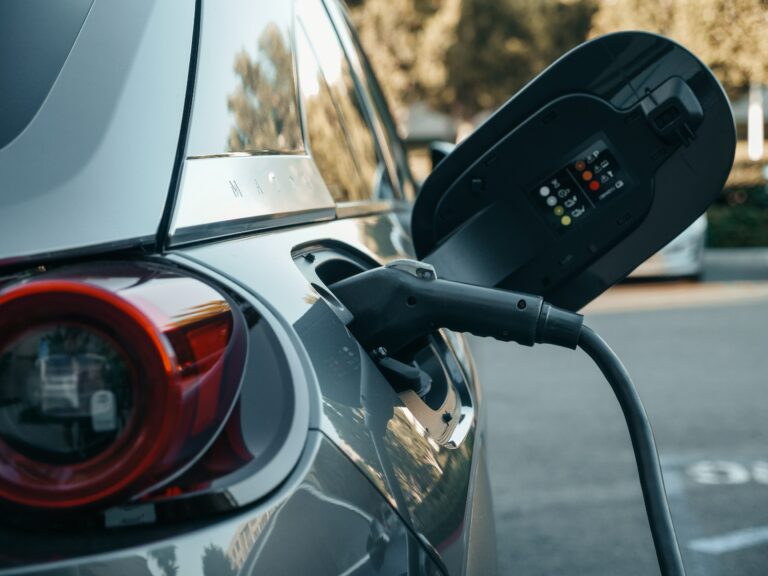
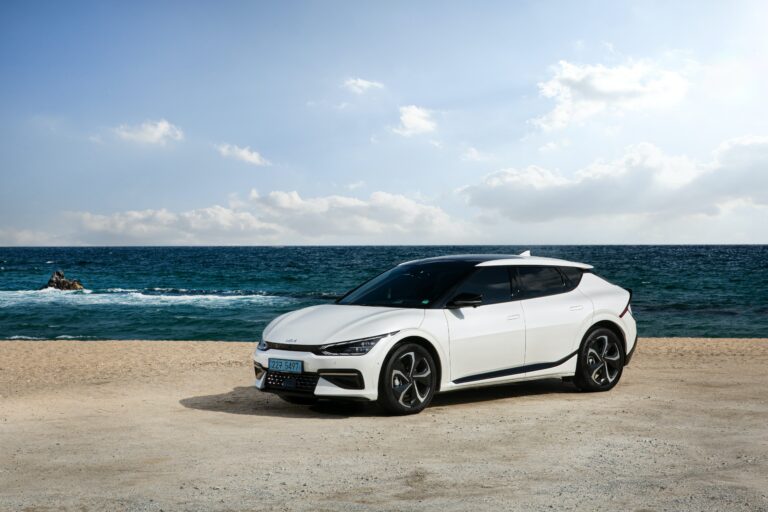
There are a few main ways in which electric vehicles (EVs) differ from your standard internal combustion engine (ICE) vehicles. The obvious distinction is the engine, but how the power that is generated from that engine is delivered to the wheels is also different.  

Is There a Transmission in an EV? 

How does a standard transmission work?

It might be helpful to first understand how the transmission works in an ICE vehicle. There are four main types of transmissions: automatic, manual, automated manual and continuously variable transmission (CTV). Most ICE vehicles come with an automatic transmission. This is where the vehicle itself switches gears for the driver.  

Here’s a simplified overview of the process:
The ICE generates power by igniting fuel (gas) and pushing the pistons down with a tiny explosion. On its downward thrust, the piston transfers power to the crankshaft. The harder you press on the pedal, the more quickly the process is completed, and the faster the vehicle goes. How fast the mechanical pieces turn is noted as rotations per minute (RPM), and the vehicle can only sustain up to a certain threshold of RPMs. 

That momentum is then moved to either the torque-converter for automatic transmissions, or the clutch for manual. It keeps traveling from there to the transmission, engaging the correct gear from many options to accommodate the speed and power needed to propel the vehicle forward. There can be as many as 12 gears in a standard transmission. The transmission then sends the power to the drivetrain, which in turn moves the wheels. 

How does the process work in an EV?

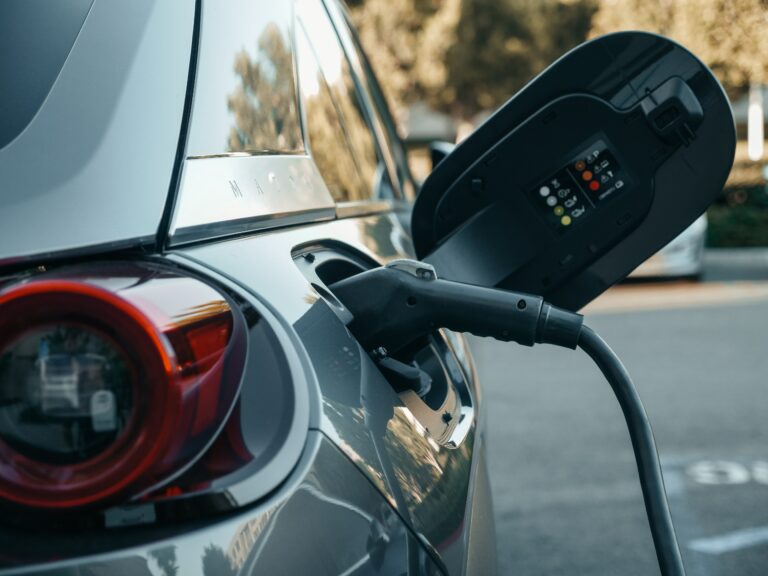
Most EVs only have one gear. This is because with an electric engine, all the power is available instantaneously. No mechanical parts are turning inside the engine and therefore multiple gears are not needed to switch between lower and higher RPMs. 

Since an electric motor can provide all its power, or torque, at once without mechanical pieces, one gear can manage all of the varying levels.  

There is a place where the single gear is housed called the gearbox. ICE transmissions are also sometimes called gearboxes. So, technically there is a transmission on an EV, it just happens to be one gear instead of many. Some EVs have multiple gears, but those are exceptions to the rule. For example, the Jeep Magneto concept vehicle has a manual transmission with an electric motor.  

Gearbox FTW

While EVs don’t have a traditional transmission, there is a gearbox that is an integral part of transferring power from the engine to the drivetrain. Most EVs have only one gear, and that’s why this setup might not be considered by some to be a transmission. In the future, more EVs may have conventional transmissions, like in the case of the manual Jeep concept Magneto, or some other vehicles that are currently available.      

Want to learn more about your future EV?

Contact the any of our dealerships at Ontario Auto Center to learn more about available EVs and how they work.  

Read More
CATEGORIES »
TAGS »

06-20-23

For How Long Should You Own Your Vehicle?

For How Long Should You Own Your Vehicle?

It can be hard to know for how long to keep your vehicle. You might have friends or family that replace vehicles often, and you might know someone driving around in something that should be put out to pasture. So, what’s the right length of time to own your vehicle?

When Should You Get a New Vehicle?

Most people own their cars for an average of 11 years. When you talk about ownership in mileage, vehicles in good working order can last up to 200,000 miles for a conventional gas engine, and about 300,000 miles for an electric vehicle.

That doesn’t mean that you need to keep your vehicle this long. There are many reasons to swap out to a new or new-to-you car. Here are a few things to consider:

Maintenance and repairs

Some vehicles have more longevity than others. If you find yourself in constant need of repairs, particularly costly repairs, consider trading up. Regular maintenance such as oil changes, radiator and transmission flushes, brake replacement and filter replacement should be expected. However, if your vehicle is constantly in the shop with a next problem or issue, it is likely time to start looking.

Repairs are more than the vehicle is worth

It can be disappointing to find out that your car needs a repair that is more than your vehicle is worth. If you have an older vehicle and it needs a whole new engine, new transmission or lots of medium-sized repairs that add to more than your vehicle is worth, it likely isn’t worth repairing. That money would be better spent as a downpayment on something new. The last thing you want to do is invest a lot of money in an older vehicle, and then need to keep investing as more things need attention, or not get your money back when you sell or trade it in.

Expensive to drive

If operational costs have got you down, a new vehicle could be a relief. Older vehicles aren’t as fuel efficient as new vehicles tend to be (especially if your new vehicle will be a hybrid or EV), and even age can minimize fuel efficiency. So, if you feel like your car isn’t giving you the mpg you need, it’s okay to switch out to a more fuel efficient, lower emission option.

Hard-to-find parts

You might still love your vehicle, but manufacturers may have moved on to next generations. If you’re having a hard time locating parts, either OEM or aftermarket, then you’ll need to think about getting a new vehicle. It isn’t safe to drive around in something that is missing parts or using parts that aren’t quite the right fit.

You want new features

Even if there isn’t anything wrong with your vehicle, your older model might not have the new bells and whistles that you want. A newer vehicle might provide benefits that your current ride does not such as:

  • Updated safety features
  • Driver assist and cameras
  • Technology suite
  • Navigation
  • Mobile phone integration such as Apple CarPlay or Android Auto
  • Automatic doors or lift
  • Infotainment system

Is it Time for a New Car?

There’s no specific length of time that you need to keep your vehicle. If any of these things ring true, it might be a good time to get a new car.

Find your new car

Contact any of the dealerships at Ontario Auto Center to learn more about a new or certified pre-owned vehicle that could be right for you and to schedule your test drive.

Read More
CATEGORIES »
TAGS »

06-12-23

Should You Get a Tire and Wheel Protection Plan?

Should You Get a Tire and Wheel Protection Plan?

Tire wear and tear is a normal part of vehicle ownership. Drivers anticipate needing to replace their tires based on usage and type. However, you may unexpectedly need to replace your tire or wheel due to a road hazard or other unforeseen occurrence. In those cases, a tire and wheel protection plan may come in handy.

Tire and Wheel Protection Plans

What is a tire and wheel protection plan?

This is a type of insurance that can be purchased in addition to your regular vehicle coverage. It will only cover tires and wheels and can be used when replacements are needed only for those parts. It won’t cover normal wear and tear, but it will provide replacements for unexpected situations such as road hazard damage and blowouts.

What road hazards are covered?

This will depend on each individual policy, but typically covered road hazards include:

  • Potholes
  • Nails
  • Glass
  • Metal
  • Road work
  • Other debris and obstructions

There are even some off-roading plans that will cover damage sustained when taking your vehicle out on the trail. If you need that coverage, be sure to specify with your sales agent and make sure that it is included in your policy.

What will the policy cover?

Most policies cover tire repair or replacement, wheel repair or replacement, mounting and balancing tires, as well as wheel cosmetic repairs.  You might also be able to include roadside assistance with your coverage, so if you have a flat on the side of the road, a tow truck will come and take your vehicle for repair.

Who needs a tire and wheel protection plan?

It really depends on your usage and the types of tires you have. If you’re frequently on the road or on the freeway, you might find yourself encountering road hazards more often. Additionally, if you’re in an area with lots of unpaved roads or roads that are in rough condition, you might be prone to tire and wheel damage.

If you own a sports vehicle or a vehicle with low profile tires, those can also be susceptible to damage. Drivers of sports vehicles have an increased risk of damage during normal driving conditions such as going over speed bumps, parking next to the curb and other regular vehicle usage. Plus, performance or high-quality tires will cost more to replace or repair, so it might be worth it to have the coverage for peace of mind.

Is a Tire and Wheel Protection Plan Right for You?

At the end of the day, you need to decide if a tire and wheel protection plan is right for you. If you own a sports vehicle, a vehicle with low profile tires, a vehicle with costly wheels or do frequent driving or driving through hazardous road conditions, you will likely benefit from this type of coverage.

Need tire or wheel service?

Contact the service department at any of our dealerships to learn how they can help you with tire and wheel repair and replacement. You can also learn about what type of tire and wheel protection plans are available through the dealership or with any new vehicle purchase or lease.

Read More
CATEGORIES »
TAGS »

05-22-23

How a Hybrid Can Help Save You Money

How a Hybrid Can Help Save You Money 

Can a hybrid save you money throughout ownership? It’s a good question. As many Americans look to maximize the value of their purchases, a hybrid is a strong contender when it comes to vehicle selection. In addition to benefits including lower emissions and responsive power, there are some monetary perks to owning a hybrid. 

Where a Hybrid Can Save You Money 

Here are some of the areas in which a hybrid can help keep money in your wallet: 

Fuel economy

Since a hybrid utilizes both an electric and gas engine to generate power, it will use less gas overall. The electric engine is engaged during slow-and-go driving, cruising, and regenerative breaking, using no gas during these actions. You’ll stretch every tank with the electric engine, having fewer stops at the pump, boosting fuel economy and ultimately saving money. 

Maintenance

Hybrids are built to last. It’s true that there is regularly scheduled maintenance that needs to be completed, but that is true with every vehicle. With fewer moving parts to maintain or potentially break, and a battery that can last up to 10 years or 150,000 miles before needing to be replaced, hybrids can end up saving owners money in the maintenance department.  

Tax incentives

The state of California offers quite a few tax incentive opportunities for EV and hybrid purchase. The Clean Vehicle Rebate Project (CVRP) is a well-known option, and it gives rebates from $1,000 up to $7,500 for the purchase or lease of eligible zero-emission vehicles, including electric, plug-in hybrid and fuel cell vehicles.  

Reduced depreciation risk

Vehicle depreciation can happen the moment you drive off the lot. While it does happen for hybrid vehicles, the amount of deprecation is not as severe. Used hybrids are in high demand, so they’ll retain more of their initial value than their conventional gas engine counterparts.  

Shorten commute

Time is money! A hybrid vehicle will reduce your commute time by allowing you to take advantage of High Occupancy Vehicle (HOV) lanes, sometimes called carpool lanes, without having to have any additional passengers. Plus, some places have special reserved parking at the front for low emissions vehicles. If you’ve got a Plug-In Hybrid Electric (PHEV), you might also find a charging station in these prime parking spots. A shorter commute with faster lane access and ease of parking will save you time as well as gas, making your commute cost less overall. 

Save Money with a Hybrid

Hybrid ownership can be beneficial, including offering financial advantages. Drivers will spend less money at the pump, have lower maintenance costs, be able to take advantage of tax incentives, enjoy reduced depreciation risk and be able to take advantage of HOV and parking initiatives to shorten commutes. These all will help hybrid owners appreciate the value of their vehicle.  

Find your hybrid

Contact any of our dealerships to learn more about available hybrid vehicles and to schedule a test drive.    

Read More
CATEGORIES »
TAGS »

05-15-23

Things to Consider When Buying a Car with High Mileage

Things to Consider When Buying a Car with High Mileage 

Purchasing a used vehicle is a smart idea, especially if you’re looking to save some money and manage any depreciation risk that is associated with purchasing a new vehicle. If the pre-owned vehicle you want has high mileage, there are a few items to take into account to ensure you’re getting a great buy. 

Buying a High-Mileage Vehicle 

Here are a few things to keep in mind when purchasing a vehicle with high milage: 

Make and model

While most modern-day vehicles are made to last, some makes and models are known for longevity and reliability. Once you figure out what vehicle you want, do some research and confirm that the vehicle will continue to perform well for you even with the mileage it already has.  

Price

Another point where research will guide your decision process is price. Look up the make and model of the vehicle you have selected and check pricing for those with high mileage. You’ll want to get the best deal, and a vehicle with more than normal mileage for its year should be offered at a lower price. 

Type of mileage

If you’re able to find out what kind of mileage was put on the car that will be ideal. Not all mileage affects the vehicle the same. Highway mileage is easier on the car than the stop-and-go of city traffic. There might be more miles on a car that had frequent freeway driving, but that quicker pace and longer run time allows all the engine parts to receive regular lubrication, a chance to burn off carbon build-up and keep the battery charged. 

Maintenance record

Find out if the vehicle was well maintained. A vehicle that got its regularly scheduled maintenance will last longer and be in better condition than one that was neglected. Even if you complete the regular maintenance once purchased, you’ll get more life out of it if the previous owners also took good care of the vehicle. 

Vehicle history

Ask for a vehicle history report. You’ll be able to find out a lot such as how many owners it’s had, service records, if it’s been in any accidents, has any recalls, has a salvage title or any other red flags. Some reports will even estimate the value of the vehicle, which will help you lock in a good price.  

Interior and exterior inspection

With high-mileage vehicles, you know that there will likely be some imperfections when it comes to the interior and exterior. After all, they’ve been driven a lot already! However, you still need the car to be in pretty good shape if you’re going to be next in line to use the vehicle. Check the interior and exterior for excessive wear or damage. 

Purchase a High-Mileage Vehicle

Getting a vehicle with high mileage can be a great option for someone looking to make the most of their budget. Buyers can feel even more confident with a certified pre-owned vehicle from a dealership, as that car has already undergone an inspection and will often come with some type of warranty.   

Find a high-mileage vehicle that’s right for you

Contact any of our dealerships to learn more about available high-mileage vehicles and to schedule a test drive.    

Read More
CATEGORIES »
TAGS »

05-08-23

Things to Know About the Jeep Wrangler 

Things to Know About the Jeep Wrangler

The new 2024 Jeep Wrangler was revealed at the New York Auto Show in April, and it got us thinking that there’s so much to love about this fun and versatile vehicle. Arguably the most iconic Jeep there is, the Wrangler is known for its box-y good looks and convertible top. Here are a few things you might like to know about this compact SUV.

Get to Know the Jeep Wrangler

It has a rich history

While the first Wrangler by that name wasn’t sold until 1986, this vehicle has been around for much longer. It was originally a WWII military vehicle from 1941-1945, and was officially called the Willys MB, sometimes called the Willys Jeep, Jeep or jeep as a catch all for military vehicles. The CJ (Civilian Jeep) was produced from 1945 through the 1980s. CJs went through a few different makers before becoming what we know today as the Jeep Wrangler.

There are many models to choose from

The Wrangler has 13 different models to choose from—13! They range in price and offer varying levels of driving capability, safety and technology features. There are two-door and four-door options. Choose from these trims:

  • Sport
  • Willys Sport
  • Sport S
  • Freedom
  • Willys
  • Sport Altitude
  • Rubicon
  • Sahara
  • Sport RHD
  • High Tide
  • Sahara Altitude
  • High Altitude
  • Rubicon 392

It’s all about the top

If you’re familiar at all with Jeep you know a big part of the appeal is that the top is removable. Some trims also come with removable doors, making you at one with your surroundings. If you opt for the hard top, you’ll find the best insulation from the elements, as well as a quieter ride. However, storing the hard top when not in use takes up extra space and it’s obviously heavier to lift to get on and off the vehicle. The soft top is much easier to store and lighter to take on and off, but it doesn’t provide as much noise dampening or insulation.

Ideal for off-roading

All Wrangler models wear the Trail Rated Badge and deliver Jeep’s exemplary 4×4 capabilities. There are incredible available features that increase traction, water fording, maneuverability, articulation, ground clearance and power. If you’re an avid off-roader, you’ll want to get one of the Rubicon models which are legendary on the trail.

There is an electric option

The Wrangler comes as a 4xe (four by E) version, which is a plug-in hybrid electric vehicle (PHEV). This means that driving around town you can take advantage of the benefits of the electric engine and mileage boost. Plus, Jeep is installing solar powered charging stations on popular trails throughout the U.S., and you’ll also have your gas engine as well.

To Know a Jeep is to Love One

Jeep Wrangler owners are passionate about the vehicle and the lifestyle that it allows. From getting dirty off road to cruising with the top off up the coast, there’s nothing a Jeep can’t do. We’re looking forward to seeing the 2024 model on the lot.

Get a new or pre-owned Jeep Wrangler

Contact Jeep of Ontario to learn more about owning your own Wrangler, and to stay updated on news of the 2024 model.

Read More
CATEGORIES »
TAGS »

04-24-23

Tips for How to Test Drive a Car

Tips for How to Test Drive a Car 

A regular part of a vehicle purchase is the test drive. It’s exciting to get into your potential new ride and hit the streets. While you want to have a good time and fall in love with your vehicle of choice, you also need to use the test drive to make sure it’s the right car for you. We’ve written before about what you should consider during your test drive, but there are some additional tips we want to share.  

Test Driving Tips 

Bring your license and proof of insurance

If you’re driving to the dealership it should go without saying that you’d have your license and proof of insurance with you. However, if you get a ride or take public transportation, you might need to remember to grab these things on your way out the door. 

Bring all your stuff

You want to make sure your vehicle fits your lifestyle, and that means bringing all your stuff. Are you a parent? Bring your car seat, stroller, booster seat, sports bag and all of your other kid gear. Are you an avid road tripper or outdoorsperson? Make sure your luggage, cooler and camping equipment fit. Do you use your vehicle for work? Bring all your work stuff. We’re talking tools, open house signs, computer or tech items, whatever you need to get your job done. Got a pet crate? Bring it! You get the idea. 

Check your comfort level

Make yourself at home. Adjust the seat and lumbar support. Tilt the steering wheel. Adjust the mirrors. Check out the passenger space and make sure you and your family or friends will be comfortable there as well. Do you have a favorite travel mug? See how it fits in the cupholder and take it in and out of that space while you’re driving. Make sure everything is to your liking.   

Try out the features

Today’s vehicles come with a plethora of fun tech features. Don’t be shy—try them out! If you are a music lover, give the audio system a whirl. Are you most interested in the driver assist capabilities? Evaluate all the cameras and other indicators. Give the parallel parking assist a chance to impress you.  

Be present when driving

It can be easy to get caught up in the thrill of a potential new car. Take a breath and be present during your test drive. Assess the vehicle’s acceleration, braking, steering and handling, the overall feel of the ride and any noticeable noises. Go over a speedbump and try out the suspension.    

Set your eyes on the styling

Seeing a vehicle in person is different than seeing it in marketing materials. Step back and check out the lines. Do you like the way the vehicle looks? How about the exterior color, interior color and finishings?  

Park it at home

If you’re able (this might not always be possible), swing by your home and see how the vehicle fits in what will become its regular parking spot. This could be a garage, carport, lot or structure space, or street parking. No matter where it will end up, make sure it’s easy to get the vehicle in and out of its future space.  

Test Drive Your New Vehicle

There’s a lot to consider when making a new (or new to you) car purchase. These tips can help you make the right decision and make sure that you’ll love your vehicle—even after the test drive! 

Schedule your test drive

Contact the dealerships at Ontario Auto Center to learn about current inventory and to schedule your test drive.  

Read More
CATEGORIES »
TAGS »

04-17-23

What You Need to Know About Vehicle Auctions

What You Need to Know About Vehicle Auctions 

There’s more than one way to purchase a vehicle. While commonly used by dealerships themselves and by the government, auctions are a somewhat less common route to ownership. If you’re curious about how an auction works, we’re here to help you understand a bit more about this exciting way of buying a car.  

Types of Vehicle Auctions 

When seeking out an auction, you might come across a few different types: 

Public – This is where you’ll want to go if you want to try your hand at purchasing a vehicle in person through an auction. Public auctions often have a variety of vehicles to choose from including new or almost new, old clunkers that need some attention and even classics that have already been restored.  

Online – Another possibility for purchase is through an online auction. You won’t be able to see the vehicle in person, but there will be a complete description and photos. Then, you select the car you want to bid on and participate through your computer, phone or tablet. 

Government – Sometimes you can find interesting options through government agency auctions. There will be more than autos here, so if you’re seeking other transportation options like boats, motorcycles, recreational vehicles (snowmobiles, go carts, etc.), or even small passenger planes, this could be a good fit.  

Private – These auctions will be closed to the public. Most private auctions are for licensed vehicle dealers (such as dealerships). While you won’t be able to participate in this type of auction, you might still be able to get a vehicle from this sale by seeking which dealership bought it and reaching out to them for subsequent purchase.  

Tips for Bidding at Vehicle Auctions 

If you haven’t participated in a vehicle auction before, but would like to try, here are some tips and tricks to make the most of your first event.  

Do your research

There will often be a list of vehicles that are coming up for auction provided in advance. Look through the list and determine which vehicles interest you. Then, do some research on their value, how much any needed repairs might cost as well as purchase a report for the VIN (vehicle identification number) so that you know if the vehicle has been in an accident, totaled and other important details.  

Set a budget

It can be easy to get caught up in the moment, particularly if you get into a bidding war with another party for the same car. Set a budget that makes sense for your financial situation and the vehicle itself. Then, stick to it. If the bidding goes above what you have determined you can spend, you need to bow out.  

Confirm fees

Many auctions have a “buyer’s premium” which can be from 10%-30% of the cost of the item. The fee goes to the auction house and is not passed on to the seller. This needs to be factored into your budget when bidding. You might also be charged tax depending on the situation and the state where the auction is being held. Also, if you’re bidding online, check what fees will be applied to ship the vehicle to you if it isn’t local enough for you to go pick it up.   

Let the Bidding Begin

Purchasing a vehicle through auction can be a good way to get a deal. If you’ve done your research and stick to your budget, your new car could be one gavel pound away!  

Want to know more about vehicles purchased at auction?

Contact any of our dealerships to learn more about any vehicles they are placing up for auction or those which they have purchased at auction.    

Read More
CATEGORIES »
TAGS »

04-10-23

Best Pre-Owned Hybrid SUVs

Best Pre-Owned Hybrid SUVs 

There are many benefits to purchasing a used vehicle. To start, it’s the most cost-efficient way of getting an automobile as pre-owned options are offered at a lower price. Other benefits include: 

  • Reducing depreciation risk 
  • Getting upgraded features at a lower cost 
  • Taking advantage of modern longevity 
  • Obtaining warranties with certified pre-owned options 

Buying a used hybrid is a smart way to get in on newer technology. Electric vehicle and hybrid configurations are becoming exceedingly popular with most makers offering at least one option, so there are many more used hybrids to choose from today as compared to earlier in the technology’s adoption.  

By deciding to acquire a used hybrid, you’re getting some of the more advanced features at a lower entry point. Plus, with certified pre-owned options through the dealership, you don’t have to be concerned about purchasing used over new.  

Top Used Hybrid SUVs 

There are some truly incredible pre-owned hybrid SUVs available right now. Check out these possibilities! 

2020/2021 Ford Explorer Hybrid

Ford’s flagship SUV comes available as a hybrid and it’s a strong option, particularly if you’re looking to tow and prefer all-wheel drive. 

2020/2021 Honda CR-V Hybrid

Honda is known for longevity, which makes purchasing a used Honda even more appealing. This hybrid placed #1 in KBB’s best Compact SUV of 2020 list, and comes with standard all-wheel drive making it a great choice. 

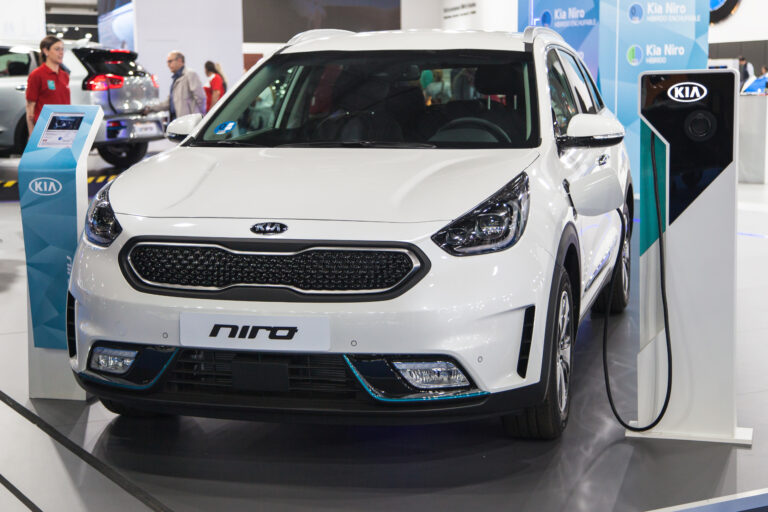
2018 Kia Niro Hybrid

If one of the reasons you want to get a hybrid is to increase fuel economy, the Niro Hybrid delivers 50 mpg. It also offers a comfortable and functional interior with good cargo space. 

2019-2021 Lexus NX 300h

Want luxury at a pre-owned price? Look no further than the Lexus NX 300h. The sporty exterior gives a fun vibe to this hybrid. Interior finishes are what you’d expect from Lexus and deliver comfort and style with a roomy back seat.   

2019 Nissan Rogue Hybrid

The Nissan Rogue originally came with lots of standard driver assist features, which makes purchasing a used one even sweeter because you’ll get all the goods without having to hunt around for a specific trim level. 

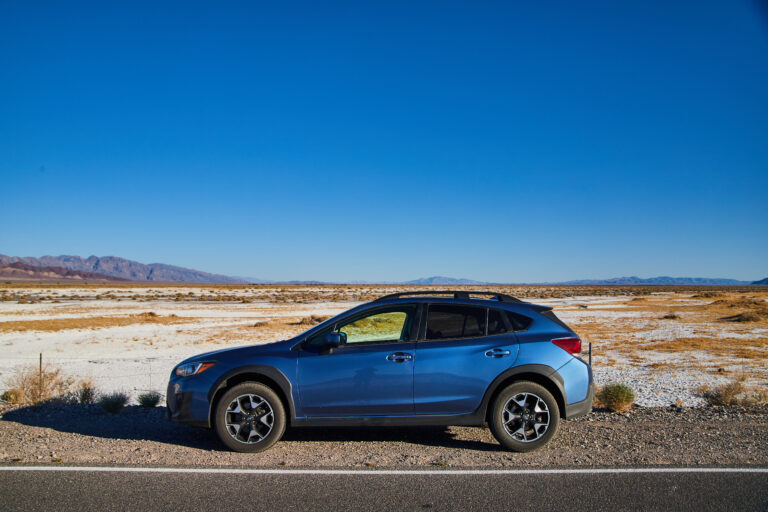
2021 Subaru Crosstrek Hybrid

Subaru is synonymous with adventure, so it shouldn’t be surprising that this vehicle comes with all-wheel drive and many standard driver assist features. You’ll also get Subaru’s BOXER engine and 17 miles of all-electric range.  

2020-2021 Toyota Highlander Hybrid

Impressive fuel economy at around 35 mpg, plus total driving range of 598-616 miles are enticing numbers for the Toyota Highlander Hybrid. It also received excellent safety ratings so it’s an ideal family vehicle. 

Best Used Hybrid SUVs

Purchasing a used vehicle offers a lot of attractive benefits. In the case of a hybrid, it allows you to get newer technology at a more affordable entry point. Plus, you’ll love the increased mpg and driving range! With certified pre-owned options like the fantastic models above, there’s no risk and all reward. If you’ve been thinking about getting a hybrid SUV of your own, used is a great way to go!  

Get a pre-owned hybrid SUV

Contact any of our dealerships to learn more about available used hybrid SUVs.   


Read More
CATEGORIES »
TAGS »

03-20-23

Why You Shouldn’t Drive with a Low Oil Level

Why You Shouldn’t Drive with a Low Oil Level 

Is driving with a low oil level or with your oil light on really a big deal? In short—yes! Oil is an integral part of the safe and successful operation of your vehicle, and you shouldn’t drive with a low oil level.  

The Dangers of a Low Oil Level 

Why is oil important?

It’s important to understand what oil does, so that the dangers of low oil become clear. The role of oil is to keep your car’s engine going. With so many quickly moving metal-on-metal parts, proper lubrication is the only way to create a protective barrier for smooth operation. Oil can prevent your vehicle from overheating as well as keeps engine parts from scraping, causing excessive wear and damage. It can also remove deposits and inhibit corrosion. Plus, a well-maintained engine will help you get the best gas mileage.  

Driving with a low oil level means that your vehicle will not be protected and could sustain damage.  

How to prevent low oil levels

It’s a good idea to check your oil often with the dipstick to assess wear and levels. Many current vehicles come with an oil sensor that can alert you if your oil is low or if the oil’s integrity has become degraded. When you check your oil level, also complete a visual inspection of your engine to see if you can spot any seepage. Also, pay attention to where you park to see if any oil is leaking from the bottom, leaving the tell-tale greasy spot under your vehicle.  

What if your oil light comes on?

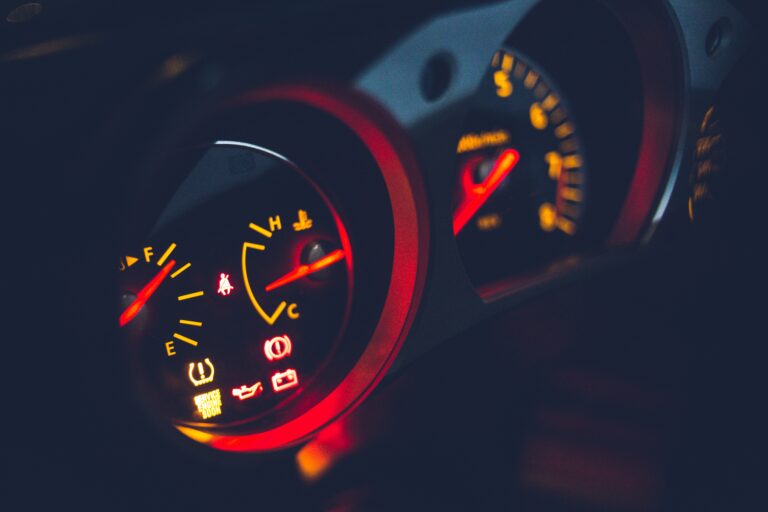
If your vehicle’s oil light comes on, determine why the light is on. Most vehicles have two different alerts for oil. One shows your oil life percentage and is there to alert you when it’s time to schedule an oil change. If that light comes on, simply schedule an oil change at your local dealership service department.  

If the emergency oil light comes on, that could be a sign of a problem. Pull off the road right away so you can assess the safety of your vehicle. If you see oil leaking from underneath or at the top of the engine, you know your vehicle isn’t safe to drive. Let your vehicle cool and check oil level and quality with the dipstick. If you have a leak, no oil is showing on the dipstick or you spot any other issues, contact a tow company to have them bring your vehicle in for service.     

How often should you change your oil?

It’s likely that you’ve heard the three months or 3,000 miles rule. The truth is, that the length in time between your vehicle’s oil changes can depend on a variety of factors including: 

  • Distance of commute/time vehicle runs each day 
  • Usage conditions including stop-and-go traffic or towing heavy loads 
  • The type of oil your vehicle uses – conventional, blend or full synthetic 
  • Engine type – internal combustion engine or hybrid 

Most modern vehicles use some type of blend or synthetic oil, which can go from 7,500 up to 15,000 miles before needing to be changed.  

A Low Oil Level is Serious

Oil is vital to the operation of your vehicle. A low oil level can be dangerous and can negatively affect both the safety of the vehicle to drive as well as the ability to preserve good running conditions. Check your vehicle’s oil level, watch for any check engine lights/signs of a leak and schedule regular oil changes to maintain good oil quality for your car.    

Get help with service

Contact any of the service departments at Ontario Auto Center to get help with your vehicle’s oil, an oil change or if you need emergency maintenance.  

Read More
CATEGORIES »
TAGS »

03-13-23

Tips for First-Time Car Buyers

Tips for First-Time Car Buyers 

Purchasing your first vehicle is an exciting rite of passage. A car purchase is a big decision, and that means taking time to ensure that you select the best vehicle for you. Here are a few tips to help you get started. 

5 Tips for First-Time Buyers 

  1. Create a budget
    Establishing a budget is a good way to start your car search. It makes sense to only research those vehicles which fit into your current financial plan. Determine your other monthly expenses and then decide if you can purchase your vehicle with cash, or if you’ll lease or finance. Consider how much you have available for a down payment as well, as that will change your monthly costs.
  2. Make a list of needs
    Now the fun begins! Think about your lifestyle and overall needs for your new vehicle. Areas to consider are seating, cargo space, safety and driver assist technologies, miles per gallon (MPG) or range and any other wants. For example, if you like to go off-roading or camping, AWD or 4WD might be important to you. If you have a long commute, the sound system and connectivity features that make your drive more convenient could be at the top of your list. 
  3. Research options
    Start your vehicle search. Heading straight to the auto center before getting an idea of what you like can be overwhelming with tons of options. Instead, begin with an online search for vehicles which have the features you want and are in your budget. Don’t forget to consider both new and pre-owned vehicles!  
  4. Narrow down to your top three choices
    You’ll likely come up with a substantial list of options. Do your best to narrow it down to your top three. There are online tools that offer side-by-side comparisons. This can help you take a deeper dive into each vehicle in relation to the others. Maybe one gets better mpg, but another has more cargo room. Check out online reviews from experts and also consider lifetime ownership costs. All of these research points can help you condense your list. 
  5. Schedule test drives
    Now it’s time to head to the dealerships! Call in advance to schedule your test drives. Making an appointment ensures that an associate will be ready for you and that the vehicle you want to test drive is available. This will streamline your process and you can schedule your test drives on the same day, or within the same couple days, so that each vehicle is fresh in your mind. During your test drive, focus and evaluate the vehicle. Test drive only your top three, as too many options can make it hard to come to a decision.  

Your First Car Purchase

Your first car purchase is an exciting event! You’ve done all the work and research to make it happen. Once you’ve established a budget, determined what you need, completed your research and test driven your top choices, there’s only one thing left to do… buy your car and take it home!   

Get your new vehicle
Contact the dealerships at Ontario Auto Center to learn about current inventory and to schedule a test drive.  

Read More
CATEGORIES »
TAGS »

03-06-23

How to Drive a Manual Transmission

How to Drive a Manual Transmission 

Driving a manual transmission, also called a stick shift, is a skill that not everyone has developed. With so many options in an automatic transmission, it’s not necessary to learn to drive manual. However, it can be a good ability to have if you ever need to drive someone else’s vehicle or if you want to widen your purchase options. Plus, it can be fun! 

What is a manual transmission?

If you’re not familiar with the term, a manual transmission is a vehicle that requires the driver to time and switch gears to reach higher speeds. Moving from one speed to the next with the shifter makes the transmission move gears up or down. Manual vehicles come with a gear shift (the stick) in the center console and a clutch, which is next to the brake and is operated with the left foot.  

The Basics of Driving a Stick Shift 

The stick

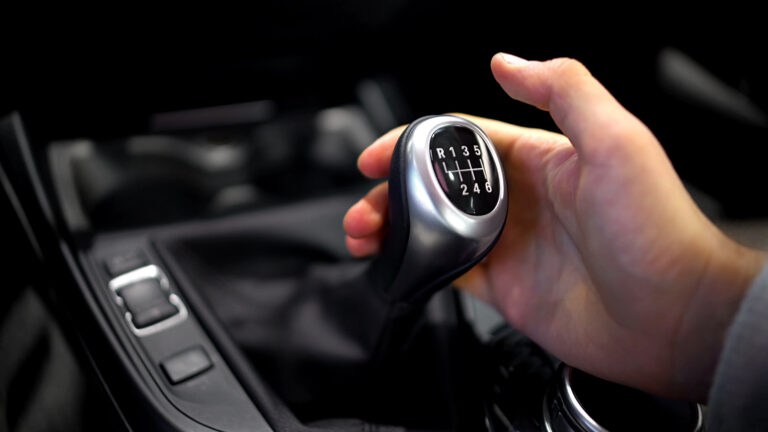
A standard shifter comes with first, second, third, fourth and fifth gear, as well as reverse and neutral, which is simply moving the stick to the center of the shift tree, or the “H.”  

The clutch

There are three pedals with a manual transmission. Just like with an automatic, a manual vehicle will come with a gas and brake pedal. It also has a third pedal called the clutch. The clutch engages or releases the driveline to allow the transmission to switch gears. To use the clutch, you should press it all the way down to the floor with your left foot.  

Getting started

Once you’ve familiarized yourself with your setup, you’re ready to start moving. Press both the clutch and the brake down, then use the key to turn on the vehicle. Make sure that the shifter is in neutral (center of the H), which will allow you to idle until you’re prepared to move. Since manual vehicles don’t have a park (P) setting, the vehicle could roll if you don’t continue to press on the brake.  

When you want to move forward, release the emergency brake, move the shifter from neutral to first gear, and slowly lift your foot off the clutch while easing down on the gas. If you don’t give the engine gas and only release the clutch the vehicle will stall.  

Check your rpm and mph to shift

As you get going, both your revolutions per minute (rpm) and your miles per hour (mph) will help you know when to shift up to the next gear. Here’s a basic breakdown of when to shift: 

1st gear: 0-10 mph
2nd gear: 5-25 mph
3rd gear: 15-45 mph
4th gear: 30-65 mph
5th gear: 65+ mph 

This will be the same for deceleration. You will need to downshift, moving through the gears in reverse order as you slow. 

Backing up and parking

Depending on the situation, you might not need to go into reverse or press the gas at all to back up. If you’re on an incline, you might only need to put the car in neutral or start to release the break for it to start to roll backwards. When parking, be sure to set the shifter back into neutral and to set the emergency break. Again, there is no P setting here, so the emergency break will make sure your car stays put.  

Learn to Drive Manual

It will take time and practice to become a proficient manual vehicle driver. Don’t give up! Once you learn you will be able to drive any vehicle, which might open your possibilities when considering a vehicle purchase or in any situation when a manual is the best option.   

Check out available manual vehicles

Want to own a manual? Contact the dealerships at Ontario Auto Center to learn more about the available options.  

Read More
CATEGORIES »
TAGS »

02-14-23

All-Wheel Drive (AWD) Advantages and Disadvantages

AllWheel Drive (AWD) Advantages and Disadvantages 

All-wheel drive (AWD) is a popular choice for drivers that want their vehicle to handle tough road conditions. This powertrain system delivers power from the engine and drivetrain to all four wheels. The system will adjust the torque provided to each wheel for the best distribution of power. Most AWD systems operate automatically through the vehicle’s computer, meaning that the AWD system is consistently engaged, and the driver doesn’t have to do anything to benefit from the feature. AWD is known for increasing traction and handling, resulting in a smoother ride. 

There are advantages and disadvantages to AWD systems. Here are some points to note: 

Advantages of AWD  

Traction and handling

This is what AWD is made for! Drivers that want fantastic traction and handling in slippery, rocky, muddy, snowy or other challenging road conditions will want to have AWD. Since power is delivered to each wheel independently, an AWD system can prevent wheels from spinning, and provide additional stability and control in all terrain situations. It’s important to be aware that AWD does not impact stopping capability or steering.   

Acceleration

Better traction means better acceleration. With a front-wheel drive (FWD) or rear-wheel drive (RWD) vehicle, only one set of wheels gets power. With AWD, each tire gets power to give a quick off the line start, which can help in everyday driving situations including merging onto the freeway from a metered stop. 

Resale value

AWD is an attractive feature to many drivers, and unless it comes standard, can be an add on through various packages or model upgrades. A vehicle that has AWD can see a bump up the resale value based on the original, higher starting price.   

Disadvantages of AWD

Heavy

An AWD system can add hundreds of pounds increasing the overall weight of the vehicle. While acceleration is helped with an AWD system, it might be counteracted by the heavier weight of the car. The additional weight will also increase stopping distance, so drivers of AWD vehicles need to take that additional stopping length into account, particularly in challenging road conditions.  

Poor fuel efficiency

When you think about each wheel getting power of it’s own, and the additional weight of the AWD system, it makes sense that the vehicle will use more fuel. This means that AWD vehicles typically get lower MPG and range.   

Higher cost

AWD can make a vehicle more costly to own in several areas. As noted above, AWD can have poor fuel economy, which means more frequent fill ups. Most vehicles do not come with AWD standard and needs to be added as part of a package upgrade at purchase. AWD systems also add additional mechanical and technology parts, which could need maintenance or replacement years down the line. Additionally, auto insurance rates are often higher for AWD vehicles. 

Is an AWD Vehicle Right for You?

It really depends on if you’ll make use of the feature and AWD capabilities. If you frequently drive in tough road conditions, live in an area that gets snow or ice, or enjoy off roading, then AWD makes sense. However, if you’re not going to be in driving situations that require AWD, a FWD or RWD could fit your needs and provide a more fuel- and cost-efficient owner experience.  

Find your AWD vehicle

Contact any of our dealerships to learn about available AWD vehicles.  

Read More
CATEGORIES »
TAGS »

02-08-23

Benefits of Owning a Hybrid

Top Features and Benefits of Hybrid Vehicle Ownership 

There are many benefits to owning a hybrid vehicle. Mild Hybrid Electric Vehicles (MHEV), Full Hybrid Electric Vehicles (HEV) and Plug-in Hybrid Electric Vehicles (PHEV) all offer their own unique advantages, but there are some features that they have in common. 

Better fuel economy and mpg

A hybrid vehicle uses both electric and gas engines to generate power. When the electric engine is engaged, no gas is being consumed by the vehicle. During slow-and-go driving, cruising, regenerative breaking and in other driving situations, the electric engine takes over which extends the life of every tank, increasing mpg. This means that you’ll get better fuel economy and spend less at the pump. 

Lower emissions

Speaking of needing less fuel, lower fuel consumption means lower emissions. When a hybrid vehicle is using the electric engine or when the vehicle is idle, the gas engine is disengaged. This enables the vehicle to produce lower emissions therefore is better for the environment. 

Responsive power

A hybrid vehicle begins movement with the electric engine. This gives drivers immediate power to be quick off the line. This instant torque and horsepower gives hybrids an edge over conventional vehicles when it comes to acceleration and responsiveness.  

Shorten commute

A hybrid vehicle can help take time off your commute. Hybrids that qualify as a Clean Air Vehicle (CAV) gives drivers access to HOV lanes during high-traffic hours even with a single driver and prime parking spots at the front of the lot in some places.  

Tax benefits

There are several tax incentives for electric vehicles and some hybrids qualify! The state of California and the federal government offer different programs including rebates and a discount on vehicle registration.  

Resale value

The extreme popularity of hybrids means they continue to be in demand. A hybrid vehicle that’s been well maintained can have a higher resale value than its gas-powered counterpart.  

Selection

There used to only be a handful of hybrid options available. That isn’t the case anymore and most makers have at least one hybrid option, if not several. This means that no matter if you want a car, truck or SUV, there’s a hybrid option that will fit your needs. 

Hybrid Vehicles Offer Many Benefits

These are just a handful of the advantages of owning a hybrid vehicle. From better fuel economy that reduces emissions and protects the environment, to responsive performance to tax incentives, these are some of the many benefits that hybrid vehicles share. Each hybrid and maker will offer its own features that will help you narrow down the right car for you.  

Find your hybrid!

Contact the dealerships at Ontario Auto Center to learn more about available hybrids, offers and to schedule your test drive.  

Read More
CATEGORIES »
TAGS »

01-25-23

Dodge Charger vs. Challenger: Which Should You Buy?

2023 Charger vs. Challenger 

The muscle car is fully embraced at Dodge, giving drivers two fantastic options to fulfill their need for speed and performance. If you want to get in on this generation of either the Charger or the Challenger, 2023 is your last chance. Dodge has confirmed that the Brotherhood of Muscle era is coming to a close, and this is the last year for this generation of both vehicles and their extremely powerful available SRT® HEMI® engines.  

If that revved your interest and got you racing to bring home one of these powerhouses… which one is right for you?  

2023 Dodge Charger

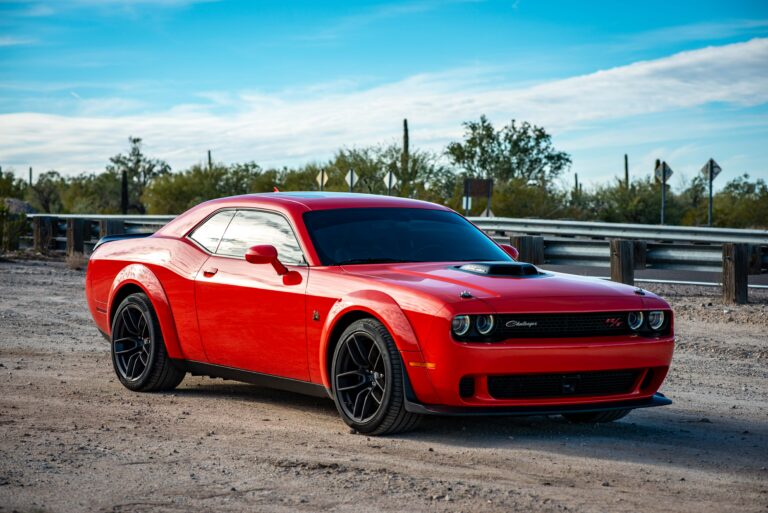
The 2023 Charger is a sedan with a muscle car soul. The standard model comes with a V-6 engine that puts out 292 horsepower. If you’re looking for something that will have your tires squealing as you peel out of the driveway, you might want to get the SRT Hellcat model with a supercharged V-8 engine that cranks out a whopping 797 horsepower and an astounding 807 horses for the Redeye model. 

The Charger has four doors with enough room to comfortably seat four adults. Cargo space is plentiful and interior appointments give drivers an old school muscle car feel. However, that doesn’t mean that it’s shy on technology upgrades. The Charger comes standard with Dodge’s Uconnect infotainment system including touchscreen. 

Driver assist technologies are also available including blind-spot monitoring, lane-departure and lane-keeping assist, forward-collision warning and adaptive cruise control. It is important to note that these are not standard, but can be added through safety packages. 

Starting MSRP: $34,240 

2023 Dodge Challenger

The 2023 Challenger is the epitome of a modern-day muscle car. This two-door beast gives classic Dodge vibes with its exterior design. The baseline model comes standard with a V-6 engine that gives 305 horsepower. Just like the Charger, other models are available including the Challenger SRT Hellcat which delivers 717 horsepower from it’s V-8 HEMI, and a boisterous 807 horses for the Widebody Jailbreak edition.   

The two-door design means this vehicle is most comfortable for two occupants, but if your passengers climb into the back seat, they’ll find it roomy. There’s also a good amount of cargo space, and the back seat folds down to provide even more storage area if needed.  

Just like the Charger, the Challenger comes with Dodge’s Uconnect infotainment system as well as available safety and driver assist technologies.  

Starting MSRP: $32,140 

Which is right for you?

Both vehicles are incredibly powerful with a range of available features and upgrades, including those fierce SRT V-8 HEMI engines. When it comes to design, the Challenger leans a bit more muscle, but the Charger gives some practicality to power. Drivers should consider their seating and functionality needs and then choose the best fit. 

2023 Dodge Charger and Challenger

Dodge really hit it out of the park with this generation of muscle cars. While we’re sad to see the end of the Brotherhood of Muscle era, we’re excited to see what the next generation brings. If you want to get in on this generation of Dodge muscle, you’ll want to act fast and snag your ride soon.   

Are you ready to put the pedal to the metal in a Charger or Challenger?

Connect with Dodge of Ontario to get availability and schedule a test drive.  

Read More
CATEGORIES »
TAGS »

01-18-23

Nissan LEAF is a Great Compact EV

2023 Nissan LEAF  

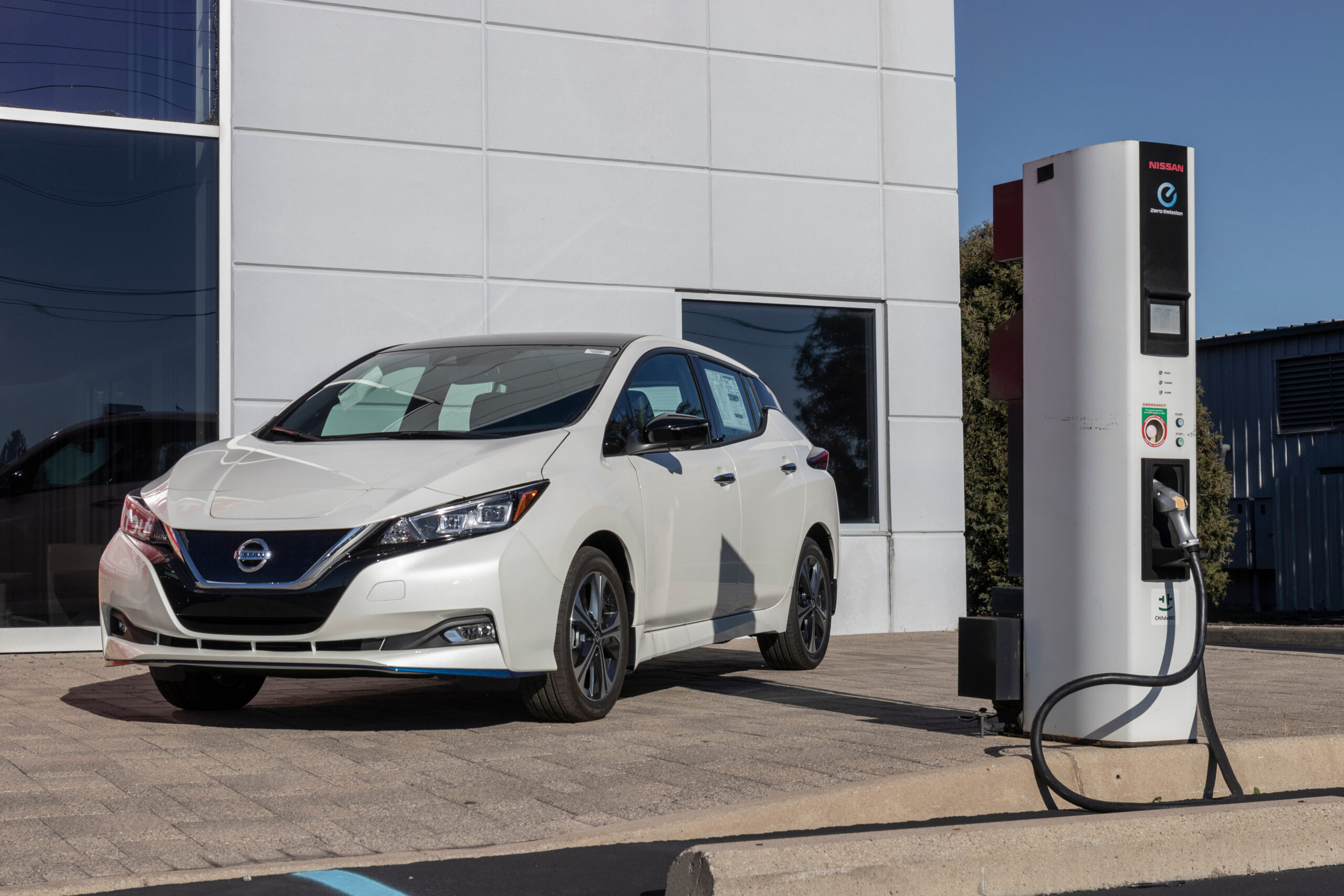
The Nissan LEAF® has a new 2023 model available and it’s a great option if you’re looking for a compact EV. The affordable hatchback offers two trim levels, S and SV Plus, and was awarded KBB’s 5-Year Cost to Own Award: Best Electric Vehicle in its class for the fifth year in a row. First appearing in 2010, the LEAF has really come into its own. Here’s a bit more about the new 2023 model.  

Nissan LEAF S and SV Plus Quick Compare 

Feature S SV Plus 
Battery 40 KWH Lithium-Ion Battery 60 KWH Lithium-Ion Battery 
Motor 110 kW AC synchronous electric motor 160 kW AC synchronous electric motor 
Horsepower 147 hp 214 hp 
Torque 236 lb-ft 250 lb-ft 
Charger 6.6 kW onboard charger 6.6 kW onboard charger 
80% battery charge time 40 min 60 min 
Total range 149 miles 212 miles 
Starting MSRP $28,040 $36,040 


Where the LEAF Shines

The LEAF is a compact vehicle which means it’s easy to maneuver. Getting in and out of tight spots or parallel parking in this vehicle are a breeze. When it comes to performance, the LEAF has a lot of zip, with quick acceleration and responsive steering. It also comes equipped with Nissan’s e-Pedal, which is one pedal to drive and slow down to engage regenerative braking. There is still a brake pedal if needed, but the regenerative braking allows the EV to get some charge while in use. 

The LEAF comes with a whole suite of technology and safety features. Nissan’s Safety Shield® 360 comes standard which includes Automatic Emergency Braking with Pedestrian Detection, Rear Automatic Braking, Rear Cross Traffic Alert, Blind Spot Warning, Lane Departure Warning and High Beam Assist. Additionally, NissanConnect® comes standard with an 8-inch touch-screen display, mobile synching including a Nissan Connect EV app to track vehicle stats and control various vehicle features, Bluetooth® connectivity, USB-C and USB-A ports, and more. 

The SV Plus model offers further appointments including striking 17” Aluminum-alloy wheels, a heated leather-wrapped steering wheel, 8-way power adjustable bucket seats with lumbar support, Nissan’s Door to Door navigation with Premium Traffic and additional upgrades. 

Compared to Other EV Hatchbacks

Other makers have also come out with 2023 EV hatchback models including the Toyota Prius PrimeKia Niro EVMINI Cooper and BMW iX. When it comes to affordability, only the Prius Prime is expected to be comparable in starting MSRP to the LEAF. Shoppers should expect to spend more for the Kia, MINI and BMW. There is also a difference in ranges with the Kia at and estimated 253 miles, the MINI at up to 114 miles and the BMW up to 342 miles. The Prius Prime can operate as an EV or as a hybrid, and while we’re still waiting on confirmation, all-electric range is anticipated to be around 133 miles.   

Nissan LEAF Is a Solid Choice

For those looking for an EV that’s got a lot to offer, the 2023 LEAF is a great selection. The two different models give a range of affordability while keeping performance at the entry level model high.  

Want to learn more about purchasing a LEAF?

Connect with Empire Nissan to get availability and trim information on the 2023 LEAF.  

Connect with Ontario Auto Center dealerships to learn more about the EV hatchbacks mentioned in this blog.
Crown Toyota Citrus Kia MINI of Ontario BMW of Ontario

Read More
CATEGORIES »
TAGS »

01-09-23

Ways to Winterize Your Car

Prepare Your Vehicle for Winter 

Winter is here! We’re lucky to live in Southern California where we don’t often get freezing temperatures, but that doesn’t mean we don’t need to prepare our vehicles for colder weather. Here are a few things you can do to make sure your car can withstand winter driving. 

Tires

Tires are always important, and that’s particularly true in winter when you might need to drive through rain and slick or flooded roads. Check your tire pressure and tread depth to ensure that your tires have maximum traction. If you’re headed to the mountains where you might encounter snow or ice, consider swapping out to winter tires or even getting chains when appropriate.  

Wipers

Rainfall can vary throughout the winter months. You never know when you’ll get caught in a little drizzle or a serious downpour. Even a quick sprinkle can mix with dust and road grime on your window and make it difficult to see. Check your wiper blades and replace them if necessary. Don’t forget to check the wiper fluid as well, which will come in handy to wash off any smears left from a SoCal drizzle.  

Fluids

Your vehicle is full of important fluids that need to be checked, filled and replaced as part of regular maintenance. Fluids such as oil, transmission, coolant/antifreeze, brake, power steering and more should be inspected as part of getting ready for cold weather. Top off any fluids that are low and replace any that have deteriorated over time and with use.   

Battery

When temps dip it can have an effect on your car’s battery. Your battery works through a chemical reaction, and cold weather can mean trouble. A car’s battery will lose around 35 percent of its power at 32°F. It’s a good idea to have the battery tested, and to ensure that the terminals are clean. If possible, park your vehicle in a garage to protect your battery from chilling overnight temperatures. 

Wash and wax

Maintaining your vehicle includes keeping the exterior in nice shape. Rain, mud and other winter road grime can wreak havoc on your car’s clear coat and paint. It might seem counterintuitive to wash and wax your vehicle, especially if it’s going to rain. However, this protective measure will help your car look good for years to come.  

Emergency kit

No one wants to be stuck out in the cold. However, even with the best vehicle winterizing, we can’t anticipate every road obstacle. If you do end up being trapped in the cold, you’ll be glad to have an emergency kit. Look for one with road signs or flares to help other drivers see you through low visibility situations. Make sure you include blankets, water and a snack to keep you going until help arrives.   

Ways to Winterize

Cold weather means your vehicle needs some extra attention to run at top levels. Be sure to give your car a once-over, particularly if you’re headed for any road trips into freezing temperatures.   

Get help winterizing your vehicle

Contact the service department at any of our dealerships to learn how they can help you check your tires, fluids and get your car winter ready.  

Read More
CATEGORIES »
TAGS »

01-03-23

Top 5 Service Maintenance Repairs That Often Go Overlooked

5 Regularly Scheduled Maintenance Services That Are Often Missed 

Getting the most out of your vehicle means taking care of important maintenance items. While many drivers are aware that an oil change is necessary, there are some other regularly scheduled maintenance items that can go overlooked. You can extend the life of your vehicle by ensuring that these five, often skipped services, are completed.  

  1. Air Filters

    Just as you need to breath, so does your car! The engine air filter and the cabin air filter need to be checked and replaced. The engine air filter keeps dirt and debris out of the intake and should be examined every 30,000 miles, unless there are severe driving conditions like frequent off-roading or driving on unpaved roads. It might not need to be replaced at that time, but checking the status is a good idea. 

The cabin air filter is what prevents road dust and dirt from entering the cabin through the AC/heating/ventilation system. This has a direct effect on the air quality that you and your passengers breathe. This should be checked between 15,000 to 30,000 miles depending on driving conditions.  

  1. Cooling system

    The cooling system on your vehicle keeps the engine a the proper temperature during operation and prevents it from overheating. Check the system for coolant level, coolant quality, make sure there isn’t any corrosion in the system and inspect hoses. A coolant flush is recommended every three to five years, or every 30,000 miles.

  2. Transmission fluid

    Just like oil, your transmission fluid needs to be changed as well. On many vehicles, you can check the quality and level of the transmission fluid through a dipstick. It’s recommended to drain and replace transmission fluid every two years or every 30,000 miles. Signs that your transmission needs attention are hearing grinding noises as you shift gears, the vehicle lurching forward unexpectedly or if there’s a pause when switching gears. Don’t let it get to that point with proper fluid maintenance! 

  3. Brake system

    The brake system is a vital part of vehicle safety and care. There are several components to the brake system including the brake pads themselves, brake fluid/reservoir, brake lines, calipers and master cylinder. A tell-tale sign that your brake pads are low is to hear squealing while braking. All of the other components should be checked, too. The brake system should be inspected once a year, and fluid should be replaced every three to five years.

  4. Power steering system

    Power steering makes driving your vehicle so much easier, increases responsiveness and provides drivers with better control. The power steering system should be checked for fluid level and quality, corrosion and clogs every couple of years or every 50,000 miles. 

Don’t Skip These Important Maintenance Items

When it comes to maintaining your vehicle, you won’t want to miss checking these five important service items. Each manufacturer will have a recommendation for how often to perform maintenance on these systems, so be sure to follow the guidelines provided in your owner’s manual.     

Need maintenance service?

Have you realized that your vehicle needs service on one or more of these often overlooked items? Contact the service department at any of our dealerships to learn how they can help you maintain your vehicle.  

Read More
CATEGORIES »
TAGS »

12-28-22

Top Autos for Best Gas Mileage 2024

Top 10 Vehicles for Best Gas Mileage Cars of 2024

There are many reasons to want a fuel-efficient vehicle. You’ll save money at the pump. You’ll be able to stay on the road longer without having to stop and fill up. You’ll be a friend of the environment by maximizing fuel economy. Cars that have outstanding MPG are excellent picks for these reasons and more. So, if you’re looking for a gas-powered vehicle, which options get the best mileage?

Here are some excellent choices if you’re looking for a vehicle that will get you the best gas mileage.

Understanding Fuel Efficiency

The Importance of Gas Mileage

Fuel economy affects more than just your monthly budget. A higher MPG vehicle means fewer stops at the gas station, reduced emissions, and often better resale value. As gas prices fluctuate, choosing a vehicle with strong fuel efficiency can provide stability and long-term savings.

How Fuel Efficiency is Measured

Miles per gallon (MPG) is the standard unit used to measure how far a car can travel using one gallon of fuel. Most vehicles list cityhighway, and combined MPG ratings, with “combined” being the average of both. These ratings are determined by standardized tests conducted by the EPA (Environmental Protection Agency).

Factors to Consider When Choosing a Fuel-Efficient Car

Vehicle Size and Type

Generally, smaller cars and sedans offer better MPG than larger vehicles like trucks or full-size SUVs. However, advancements in engineering have made compact SUVs and even light-duty pickups much more competitive in terms of fuel efficiency.

Engine Type and Technology

Modern gas-powered cars are equipped with technologies like:

  • Turbocharged engines for increased power without increased fuel consumption
  • CVT (Continuously Variable Transmission) for smoother, more efficient driving
  • Cylinder deactivation, allowing engines to run on fewer cylinders when less power is needed

Driving Habits and Conditions

Even the most fuel-efficient car can underperform if driven aggressively or in heavy traffic. Frequent stopping and starting, high-speed driving, and excessive idling can reduce your actual MPG compared to EPA estimates.

Top 10 Fuel-Efficient Cars of 2024 and 2025

2025 Hyundai Elantra

The Hyundai Elantra can get up to 36 MPG combined varies by trim level. This sedan is also incredibly affordable, starting MSRP at $22,125. The Elantra comes with a variety of connectivity and safety features that owners will love, like Apple CarPlay and Forward Collision-Avoidance Assist with Pedestrian Detection.

2025 Honda Civic

Praised for its balance of power and economy, the 2025 Honda Civic gets an impressive 36 MPG combined and a starting MSRP of $24,250. The Civic boasts a refined interior, Honda Sensing® safety technology, and responsive handling that makes it a joy to drive, whether in the city or on the freeway.

2025 Kia K4

The all-new 2025 Kia K4 replaces the Forte and brings a fresh design, upgraded tech, and strong fuel economy to the compact sedan segment. The LX trim level brings an EPA-est of 40 MPG HWY at a starting MSRP of $21,990. The K4 blends sharp styling with substance with available heated & ventilated front seats. Inside, it features a modern cabin with dual panoramic displays and standard wireless Apple CarPlay® and Android Auto™. It’s a bold evolution from the Forte—efficient, connected, and ready for the daily drive.

2025 Nissan Kicks

The 2025 Nissan Kicks is making a bold entrance into the subcompact SUV category with refreshed styling and improved capability. With up to 35 MPG highway, it’s an ideal pick for urban drivers who want to save at the pump without sacrificing style. Starting at just $21,830, the new Kicks now offers available Intelligent All-Wheel Drive—a first for this model—along with a smooth 141-horsepower engine and advanced tech features.

2025 Toyota Corolla

The 2025 Toyota Corolla continues to be one of the most reliable and efficient sedans on the market. It delivers up to 35 MPG combined, depending on the trim. With a starting MSRP around $22,325, the Corolla is an affordable choice packed with Toyota Safety Sense™, Apple CarPlay®, and Android Auto™ for a connected, secure drive.

2025 Volkswagen Jetta

The 2025 VW Jetta remains a fuel-sipping favorite with up to 40 MPG highway. With features like IQ. DRIVE, Travel Assist, and wireless smartphone connectivity, it blends efficiency with a modern, tech-forward experience.

Best MPG for 2024

These are just a handful of the top autos that get great MPG. Many makers offer a wide range of vehicles that perform well and make the most of every tank.

Want a vehicle that gets great gas mileage?

Contact any of our dealerships to learn more about available vehicles that maximize MPG.

Read More
CATEGORIES »
TAGS »

12-19-22

Top Sport Utility Vehicles for Off-Roading

Best SUVs for Off-Roading 

Through dirt and mud, over gravel and rocks, when you’re off-roading, you rely on your vehicle to get you across whatever nature sends your way. That’s why so many choose to go off-roading in a sport utility vehicle (SUV). Known for being both practical and rugged, if you’re looking for a vehicle that can go from the freeway to the trail, an SUV is an ideal choice.  

Whether you’re a weekend warrior or an overlanding pro, these SUVs are sure to hit the mark when it comes to taking you on the path less traveled. 

2023 Ford Bronco®

The Ford Bronco is known for adventure! Most available models come with Ford’s Terrain Management System™ with up to seven G.O.A.T. (Goes Over Any type of Terrain) Modes®. This allows the driver to adjust the mode based on the trail ahead. Check out the Badlands® or Wildtrak® models if you’re looking for some intense off-roading action.  

2023 Jeep Wrangler

This 4×4 is Trail Rated and passed Jeep’s rigorous outdoor tests. The Jeep Wrangler delivers in traction, water fording, maneuverability, articulation and ground clearance. If you take off-roading seriously, consider the Xtreme Recon package that upgrades tires to 35 inches and boosts ground clearance to a best-in-class 12.9 inches.  

2023 Jeep Grand Cherokee

Looking for a well-rounded SUV that can do it all? Go from daily commute to hitting the trail in the Grand Cherokee. The 4xe means that it’s a plug-in hybrid electric, which gives the benefits of an electric engine, but you won’t run out of power if you can’t plug in as you also have a gas tank. The 2023 model can tow up to 7,200 pounds, cranks out 375 horses with 470 lb. ft. of torque, offers up to 10.9 inches of ground clearance, has an available night vision camera and a full technology suite.  

2023 Lexus GX

Bring some luxury on your off-road journey. The Lexus GX offers outstanding daily performance and has an available Off-Road Package that allows drivers to traverse dirt, rock, snow and more. It also offers Crawl Control and Multi-Terrain Select.  

2023 Subaru Outback Wilderness

Incredibly capable and ready for anything, the Outback Wilderness is packed with off-roading features. Symmetrical All-Wheel drive comes standard which provides stability for supreme traction in a variety of road and weather conditions. This off-roader also comes with Subaru’s direct-injection turbocharged BOXER® engine, re-tuned gearing, reinforced roof rails and anti-glare matte-black hood decal to reduce glare.  

2023 Toyota 4Runner TRD Pro

Another vehicle with deep roots in off-roading is the Toyota 4Runner. The TRD (Toyota Racing Development) Pro model comes decked out with FOX® high-performance shocks and TRD-tuned front springs, Multi-Terrain Monitor (MTM), Crawl Control (CRAWL), Multi-Terrain Select (MTS) and more. If you’re feeling nostalgic, check out the 40th Anniversary Special Edition which comes complete with the iconic tri-color striped exterior graphic. 

SUVs for the Trail

Are you ready for some fresh air and the challenge of the trail? These SUVs will help you explore parts unknown and are fantastic options for any off-roading enthusiast.  

Go off-roading in your own SUV

Contact any of our dealerships to learn more about available SUVs that can tackle an off-road trek.

Read More
CATEGORIES »
TAGS »

Car News – Ontario Auto Center – San Bernardino, CA

Contact Us:

Name:
Email:
Message: